
Baghouse Pulse Jet System Malfunction? Identify These Root Causes Before Production Stops
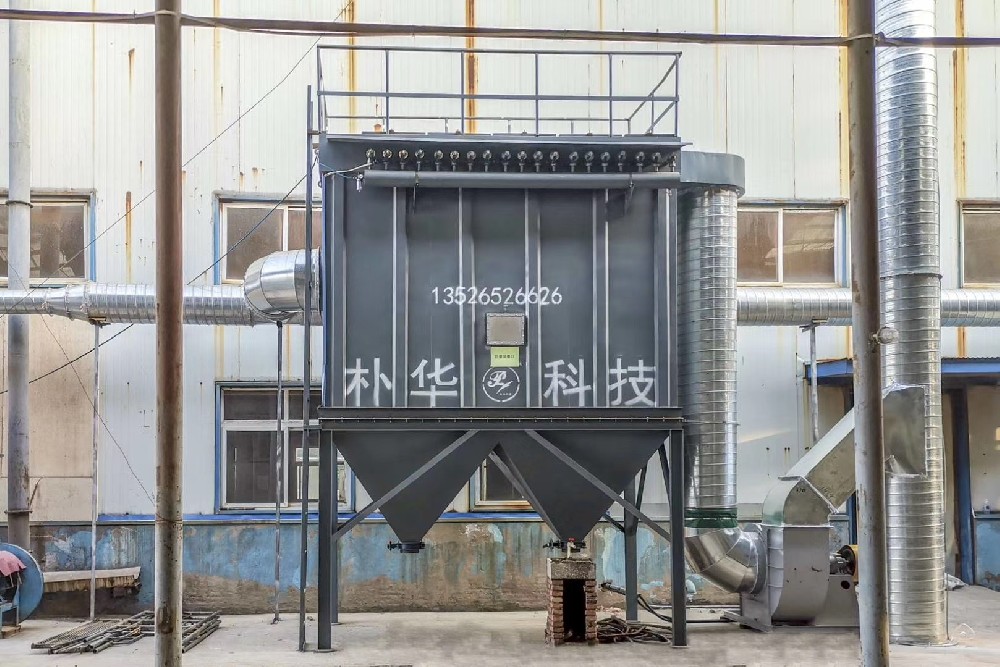
For any plant relying on industrial dust collection, the pulse jet system is the heart of continuous bag cleaning. When it fails – pressure drops, visible emissions increase, or bags clog prematurely – production efficiency suffers and compliance risks rise. Based on field experience and engineering analysis, most “system malfunctions” trace back to a manageable set of component or control issues. This guide walks you through logical troubleshooting steps, helping operations teams restore performance without unnecessary downtime.
Why the Pulse Cleaning Mechanism Matters
Pulse jet systems use compressed air bursts to flex and release dust cakes from filter bags. A breakdown leads to rising differential pressure, shortened bag life, and possible permit violations. Understanding the failure points equips maintenance personnel to act fast. Below are the most reported reasons for poor or erratic cleaning performance.
Most Common Causes of Pulse Jet System Failure
Systematic checks should begin with air supply, move to valves, and then inspect control logic. Based on thousands of service cases, Zhengzhou Puhua Technology has identified the following top causes:
Insufficient or contaminated compressed air – Low pressure (
<5 bar="">Worn or stuck pulse valves – Diaphragm tears, spring corrosion, or debris block the air burst.
Faulty solenoid coils or wiring – No electrical signal means no valve actuation.
Incorrect timing or sequencing – Too short pulse width, too long intervals, or overlapping firings.
Clogged or detached blow pipes – Misaligned nozzles waste air and miss bag openings.
Step-by-Step Troubleshooting Guide
When you suspect a cleaning system failure, follow this logical flow. Always isolate the dust collector and lock out compressed air before inspecting internal components.
| Symptom | Likely Cause | Verification Method |
|---|---|---|
| No audible pulse sound | No power to solenoids / dead controller | Check output voltage with multimeter |
| Weak or fluttering jet noise | Low air pressure or diaphragm leakage | Measure tank pressure under operation |
| Continuous air leak | Pulse valve stuck open | Feel downstream pipe temperature / listen after shutdown |
| Uneven cleaning across rows | Blocked blow pipe nozzles or wrong orientation | Visual inspection via access door |
Component-Level Deep Dive: Pulse Valves and Solenoids
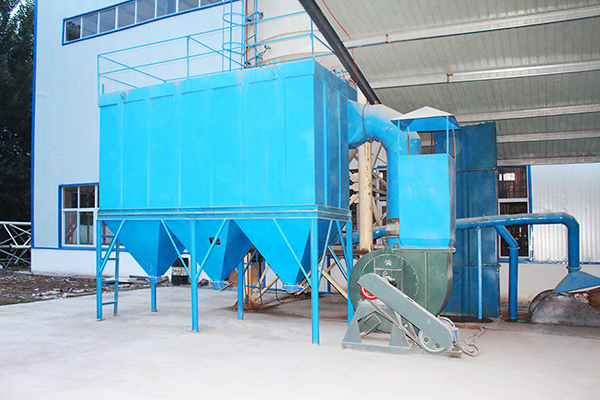
The pulse valve is the most replaced component in baghouse cleaning systems. Diaphragms harden over time, especially when exposed to hot gases or chemical fumes. Solenoid pilots can also fail due to moisture freeze in winter. A quick diagnostic: manually override the solenoid – if the valve fires, the problem is electrical; if not, the valve internals need service. Zhengzhou Puhua Technology recommends keeping a spare valve kit for critical dust collectors.
Control System Misconfigurations That Mimic Mechanical Failure
Sometimes the hardware works fine, but the controller settings hurt performance. Common issues include:
Pulse-on time under 80 milliseconds for standard bags (too short to clean).
Interval time too long, allowing heavy dust cake buildup between pulses.
Improper sequence – firing two rows simultaneously reduces air pressure per valve.
Pressure switch set too low, shutting down cleaning prematurely.
Review the PLC or timer board settings against the bag manufacturer’s recommendations. Keeping a log of parameter changes helps track misadjustments.
The Role of Air Preparation and Filtration
Compressed air quality is often underestimated. Most pulse systems require ISO 8573-1 class 4.4.3 or better. That means:
Maximum particle size: 40 µm
Maximum water content: pressure dew point +3°C to +7°C
Maximum oil content: 5 mg/m³
Without proper drying and filtration, rust and sludge accumulate in the air manifold, then migrate into valves. Install a refrigerated air dryer and a coalescing filter upstream of the pulse tank.
Preventive Maintenance Schedule That Reduces Failures
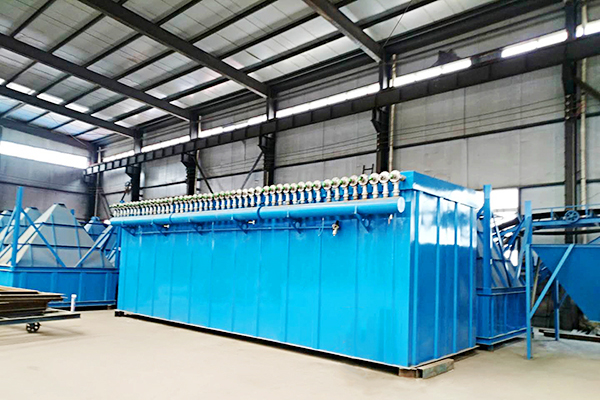
Moving from reactive to proactive maintenance is the most cost-effective strategy. The table below shows recommended intervals based on typical duty (8-16 hours/day, moderate dust load).
| Component | Check Frequency | Action |
|---|---|---|
| Air receiver and manifolds | Weekly | Drain condensate, check for leaks |
| Solenoid coils and wiring | Monthly | Inspect for burn marks or loose terminals |
| Pulse valves (diaphragms) | Every 6 months | Test fire, replace hardened diaphragms |
| Blow pipes and nozzles | Annually | Clean and realign over bag cages |
| Pressure gauges and switches | Quarterly | Calibrate against master gauge |
When to Upgrade Your Cleaning System Instead of Repairing
Older dust collectors with original pulse technology may suffer from chronic failures because the design itself limits performance. Signs that replacement may be more economical than repair include:
Constant valve replacements every 3-4 months
Unable to achieve stable differential pressure below 1.2 kPa
Compressed air consumption exceeds 0.9 m³/min per 100 bags
No replacement parts available for proprietary controllers
Modern low-pressure, high-volume pulse systems, like those engineered by Zhengzhou Puhua Technology for baghouses, RCO catalytic oxidizers, and other dust control equipment, offer 30-50% lower air consumption and more consistent cleaning cycles.
Special Considerations for High-Temperature or Sticky Dust
Certain applications – such as dryers, foundries, or chemical processes – produce sticky or hygroscopic dust. Standard pulse jet settings often fail here. You may need to:
Increase pulse pressure to 6-7 bar.
Shorten pulse intervals to prevent bridging.
Use venturi nozzles on every bag entry.
Apply PTFE membrane filter bags to reduce adhesion.
Always consult with the equipment manufacturer before changing parameters dramatically.
How Zhengzhou Puhua Technology Supports Industry with Reliable Dust Control Solutions
Zhengzhou Puhua Technology has designed and manufactured thousands of dust collection systems, including pulse jet baghouses, cartridge collectors, and mobile dust collectors. Our approach combines robust valve selection, optimized tank sizing, and intelligent controls to minimize cleaning failures. Beyond pulse systems, our product range covers the full spectrum of environmental protection equipment:
Dedusting equipment: baghouse filters, pulse jet dust collectors, mobile dust extractors, ultra-low emission systems.
Gas treatment: desulfurization towers, denitrification (DeNOx) units, RCO catalytic oxidizers, RTO regenerative thermal oxidizers, VOCs adsorbers.
Material handling: pneumatic conveying systems, dust suppression accessories.
Water treatment: industrial clarifiers and filtration units.
Our field service team offers pulse system audits, valve replacement kits, and control retrofits for existing dust collectors. Whether you operate a cement mill, woodshop, chemical dryer, or food processing line, we help you maintain compliance and energy efficiency.
Final Checklist: 5 Quick Verifications Before Calling Service
Check main air pressure at the pulse tank – is it above 5.5 bar?
Manually trigger one solenoid while listening for a sharp crack sound.
Inspect the controller display for error codes or frozen screen.
Look inside the access door: are blow pipes still bolted and aimed correctly?
Measure the current drawn by one coil – should match valve specification (typically 0.2-0.5 A for DC types).
If all five pass but cleaning remains poor, the issue may be inside the filter bags (dust bridging, excessive dust load, or wrong bag material). In that case, a bag sampling assessment is recommended.
Summary: Reliable Pulse Cleaning = Stable Production
Most pulse jet system failures are preventable. Regular attention to air quality, valve condition, and control logic eliminates 85% of unplanned downtime. When repairs are needed, use genuine or high-quality replacement parts. For complex diagnostics or complete dust collector upgrades, established manufacturers like Zhengzhou Puhua Technology provide engineering support and tailored solutions.
Keep this guide in your maintenance office and review it whenever differential pressure trends upward unexpectedly. A few minutes of structured checking saves hours of bag replacement.
Related Articles
-

Zeolite Fixed Bed+Catalytic Combustion Equipment (RCO)
[list:visits]
-

Resin desorption+condensation recovery equipment
[list:visits]
-

Cooking oil fume purifier
[list:visits]
Subscribe to Our Newsletter
Stay updated with the latest news and insights from Puhua Tech.