
How to Fix High Differential Pressure on a Cartridge Dust Collector: Common Faults and Solutions
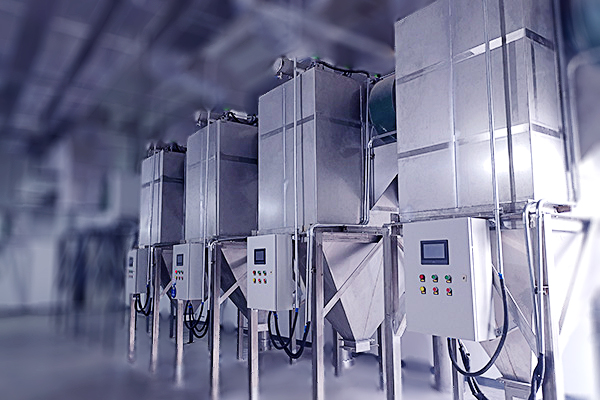
If you operate a cartridge dust collector, you may have encountered a sudden spike in differential pressure. This issue not only reduces filtration efficiency but can also lead to unplanned downtime. Understanding why high differential pressure occurs and how to fix it is essential for maintaining safe, compliant, and cost-effective operations. In this guide, we will walk through the most common causes, diagnostic steps, and practical solutions to restore your system’s performance.
What Is Differential Pressure and Why Does It Matter?
Differential pressure (DP) measures the resistance of airflow as it passes through the filter cartridges. A clean, properly functioning system has a low DP, typically between 1 and 3 inches of water column. As dust accumulates on the filter media, DP rises. When it exceeds the manufacturer’s recommended range (often 4 to 6 inches), cleaning efficiency drops, fan energy costs increase, and dust may leak through the cartridges.
A reliable cartridge dust collector should maintain stable DP through automatic cleaning cycles. If you notice persistently high DP even after pulsing, one or more underlying issues are likely present.
Common Causes of High Differential Pressure
Below is a table summarizing frequent fault sources, their typical symptoms, and immediate checks:
| Cause | Symptoms | Quick Check |
|---|---|---|
| Clogged filter cartridges | DP rises gradually over weeks; visible dust cake on media | Inspect cartridges through access door |
| Faulty pulse cleaning system | DP does not drop after cleaning cycle; no or weak pulse air sound | Listen for solenoid clicks; check air pressure gauge |
| Moisture or oil in compressed air | Cartridges become sticky; dust bridges across pleats | Check air dryer and filter regulator lubricator |
| Oversized dust loading | DP rises faster than expected; hopper fills quickly | Compare actual dust generation with design load |
| Damaged or worn gaskets/seals | Localized dust emission around door; uneven DP readout | Perform visual seal inspection with flashlight |
Step-by-Step Troubleshooting Guide
Follow these steps systematically to identify and resolve high DP issues.
1. Verify the DP Reading
Before opening any access panels, ensure the pressure gauge or transmitter is functioning correctly. A blocked sensing line or faulty transducer can give false high readings. Clean the impulse lines and compare the reading with a handheld manometer.
2. Inspect the Pulse Cleaning System
The automatic pulse jet system is the heart of a cartridge dust collector. Check the following:
Compressed air pressure – should be within 70–90 psi (adjust as needed).
Solenoid valves – listen for cycling; replace stuck coils.
Diaphragm valves – disassemble if no pulse is heard; clean or replace worn diaphragms.
Timing board / PLC – ensure sequence interval (e.g., off-time 10–30 seconds) is not set too long.
3. Examine Filter Cartridges
Turn off the fan and lock out energy. Open the clean air plenum. Look for:
Surface dust cake – if hard and oily, it may require manual cleaning or replacement.
Pleat spacing – collapsed or deformed cartridges restrict airflow.
Hole or tear – bypass dust will cause rapid DP rise downstream.
If cartridges are damaged or beyond cleaning, replace them with quality elements. Zhengzhou Puhua Technology offers compatible high-efficiency cartridges designed for various dust types, including fine, hygroscopic, and explosive dusts.
4. Assess Air-to-Cloth Ratio
High DP sometimes indicates that the system is undersized for current production rates. Calculate the actual air-to-cloth ratio (ACFM / square feet of media). If it exceeds 3:1 for most dry dusts, consider adding more cartridges or pre-separation equipment.
5. Check for Moisture or Chemical Binding
Condensation or sticky dust can blind cartridges. Solutions include:
Installing a heated hopper or insulating the collector.
Using pre-coat dust (e.g., limestone) before collecting hygroscopic material.
Switching to an oil- and water-resistant media finish.

Preventive Maintenance Strategy
To avoid recurring high DP, implement a monthly inspection routine:
Log differential pressure at start, middle, and end of shift.
Inspect compressed air system – drain water from receiver tank daily.
Check pressure drop across each row of cartridges (if manifold allows).
Replace gaskets every 2 years or whenever leakage is detected.
Keep spare cartridges and diaphragm kits on site.
For severe or persistent problems, a professional audit may be required. Zhengzhou Puhua Technology specializes in diagnosing and upgrading industrial dust collection systems. Their engineers can recommend optimal cleaning parameters, retrofitted pulse manifolds, or even a complete system redesign if needed. The company provides a full range of environmental protection equipment, including cartridge dust collectors, pulse jet baghouses, RCO catalytic oxidizers, RTOs, VOCs treatment systems, desulfurization and denitrification towers, pneumatic conveying systems, and wastewater treatment equipment. All products are designed and manufactured to meet local emission standards while minimizing energy use.
When to Call a Professional
Even with thorough troubleshooting, some situations require expert intervention. Contact a qualified service provider if:
The collector has been down for more than 8 hours due to high DP.
Repeated cartridge failure occurs within 6 months.
Explosion vents or safety monitoring systems are involved.
Dust is classified as hazardous (e.g., combustible metals, pharmaceutical actives).
Working with an experienced manufacturer like Zhengzhou Puhua Technology ensures that you receive not only replacement parts but also process optimization advice. Their team can perform on-site DP trend analysis and provide training for your maintenance staff.
Conclusion
High differential pressure in a cartridge dust collector is a solvable problem. By systematically checking the pulse cleaning system, filter media condition, compressed air quality, and system load, most faults can be corrected within a few hours. Regular monitoring and preventive maintenance will extend cartridge life, reduce energy costs, and keep your facility compliant. If internal efforts do not resolve the issue, reach out to a proven equipment specialist.
Related Articles
-

Zeolite Fixed Bed+Catalytic Combustion Equipment (RCO)
[list:visits]
-

Resin desorption+condensation recovery equipment
[list:visits]
-

Cooking oil fume purifier
[list:visits]
Subscribe to Our Newsletter
Stay updated with the latest news and insights from Puhua Tech.