
Which Pulse Jet Cleaning Technology Works Best? Comparing Baghouse and Cartridge Dust Collector Syst
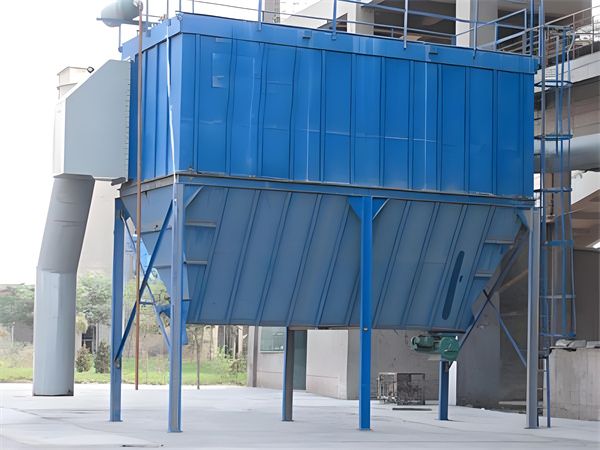
When a dust collector stops performing efficiently, the problem is almost always in the cleaning system. For plant managers and maintenance engineers, the pulse jet cleaning mechanism is the heart of any baghouse or cartridge dust collector. Choosing the wrong technology leads to higher pressure drops, shorter filter life, and increased energy costs. This article provides a detailed comparison of pulse jet cleaning systems for bag filters versus cartridge filters, helping you make a data-driven decision for your specific dust control application.
How Pulse Jet Cleaning Systems Work
All modern pulse jet systems use compressed air to remove accumulated dust cake from filter media. A controller triggers a solenoid valve, releasing a short blast of high-pressure air through a blowpipe and nozzle. This creates a shock wave that travels down the filter element, flexing the fabric or cartridge media and releasing dust into the hopper. However, the design differences between baghouse and cartridge collectors lead to significant performance variations.
For over a decade, Zhengzhou Puhua Technology has designed and manufactured dust collection equipment including pulse jet baghouse filters, cartridge dust collectors, RCO catalytic combustion devices, RTO equipment, desulfurization towers, and denitration systems. Their engineering team emphasizes that matching the cleaning system to the filter type is the most critical factor for achieving low emission levels and stable pressure drop over time.
Cleaning System Comparison: Baghouse vs. Cartridge Collectors
The table below highlights key operational differences between pulse jet cleaning for bag filters and cartridge filters.
| Feature | Baghouse (Fabric Bags) | Cartridge Dust Collector |
|---|---|---|
| Filter element shape | Long cylindrical bags (4-8m length) | Pleated cylindrical or conical cartridges |
| Pulse jet pressure | 4-6 bar (often lower pressure) | 6-8 bar (higher pressure required) |
| Cleaning frequency | Lower frequency (15-30 minutes between pulses) | Higher frequency (5-10 minutes between pulses) |
| Air consumption per pulse | Higher volume per pulse | Lower volume but more frequent pulses |
| Filter media flexibility | High – accommodates fabric with different finishes | Low – pleated media can be damaged by aggressive pulsing |
Baghouses: Advantages of Pulse Jet Cleaning for Fabric Filters
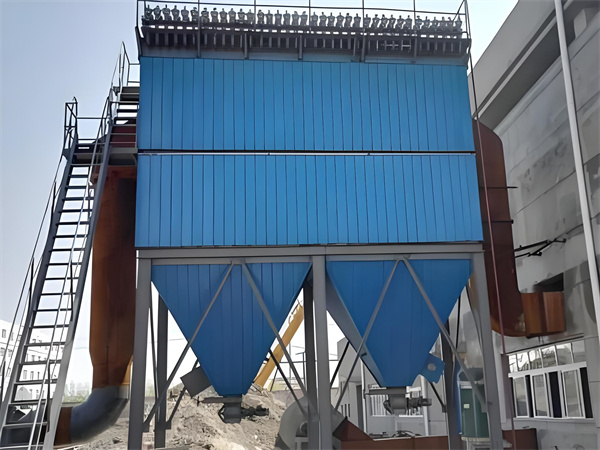
Pulse jet baghouse dust collectors are widely used in cement, mining, and power generation. The flexible fabric bags allow the shock wave to travel the full length, effectively dislodging dust even from bags exceeding 6 meters. Key benefits include:
Lower compressed air pressure requirement (reduces energy cost)
Ability to use specialized membrane or coated fabrics for sticky dust
Longer intervals between cleaning cycles, reducing valve wear
Easier inspection through bag access doors
However, baghouses require a rigid cage inside each bag, adding weight and removal effort during maintenance. Also, improper pulse timing can cause bag fatigue near the top where the shock wave is strongest.
Cartridge Dust Collectors: High-Efficiency Cleaning for Fine Dust
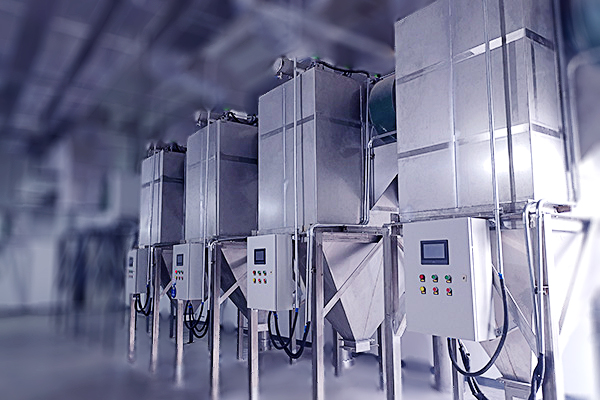
Cartridge collectors use pleated media to achieve much higher surface area per volume. The pulse jet cleaning system must generate a strong, quick shock to effectively clean deep pleats. Advantages of pulse cleaning for cartridges include:
More compact footprint (up to 50% smaller than baghouse)
Lower pressure drop immediately after pulsing due to efficient dust release
Better for fine, dry dust below 1 micron
Fewer filter elements for the same airflow
Challenges include higher compressed air consumption per square meter of media, risk of "pleat locking" if pulsing is too weak, and more frequent replacement for abrasive dust applications.
Critical Factors in Pulse Jet System Design
Regardless of whether you choose bag filters or cartridges, the cleaning system's success depends on these engineering parameters:
Nozzle and blowpipe alignment: Misalignment of even 5mm reduces cleaning effectiveness by up to 40%.
Diaphragm valve response time: Faster valves (5-8 millisecond opening) produce sharper shock waves.
Air tank volume: Must provide sufficient reserve to maintain pressure during pulsing.
Pulse duration: Typically 50-150 milliseconds. Too short fails to clean; too long wastes compressed air.
Filter-to-filter spacing: Affects how the induced secondary air reinforces the cleaning wave.
Zhengzhou Puhua Technology manufactures complete dust control solutions including pulse jet dust collectors, mobile dust collectors, ultra-low emission equipment, and wastewater treatment systems. Their approach integrates pulse jet controllers with real-time differential pressure monitoring to optimize cleaning cycles automatically.
Which System Delivers Better Energy Efficiency?
Total energy consumption includes fan energy (to overcome filter pressure drop) and compressed air energy. A comparison based on field data for a 10,000 m³/h application shows:
Baghouse: 6-8 psi pressure drop after pulsing, 0.2 m³/min compressed air consumption. Overall fan energy is higher but air energy lower.
Cartridge collector: 4-5 psi pressure drop after pulsing, 0.35 m³/min compressed air. Fan energy is lower but compressed air cost higher.
For operations with expensive compressed air (leaky systems or high electricity rates), baghouses often deliver lower total cost. For facilities with efficient screw compressors, cartridge collectors may be superior.
Application-Specific Recommendations
Choose a pulse jet baghouse when handling:
Fibrous or agglomerative dust (wood, textile, grain)
High-temperature gases (up to 200°C with fiberglass bags)
Sticky dust that requires membrane filter fabrics
High dust loads (>30 g/m³)
Choose a pulse jet cartridge collector when handling:
Fine, dry, non-sticky dust (metal oxide, powders, toner)
Space-limited installations requiring compact footprint
Applications demanding very low outlet emissions (
<5 mg="">Intermittent operation where quick cleaning recovery is needed
Maintenance Considerations for Long-Term Reliability
Both systems require regular inspection of pulse valves, blowpipes, and filter elements. Baghouses typically need bag replacement every 3-5 years. Cartridge collectors may need replacement every 18-24 months in abrasive applications. The cleaning system's solenoid valves should be tested annually for response time drift. Zhengzhou Puhua Technology provides technical support for diagnosing uneven cleaning patterns using static pressure mapping across the tube sheet.
The Bottom Line: Matching Technology to Your Dust
No single pulse jet cleaning technology dominates all applications. Baghouses remain the robust choice for heavy industrial dust with varying moisture or temperature. Cartridge collectors excel for ultra-fine powder collection where floor space is limited. The best approach is to have your dust analyzed for particle size distribution, cohesiveness, and abrasiveness. Then evaluate total operating cost including compressed air and fan energy over a 5-year horizon.
For operators seeking trouble-free pulse jet cleaning, pay close attention to air line filtration and tank drainage. Contaminated compressed air is the leading cause of valve failure and uneven pulsing. Regular maintenance of your cleaning system pays back through longer filter life and lower electricity bills.
Related Articles
-

Zeolite Fixed Bed+Catalytic Combustion Equipment (RCO)
[list:visits]
-

Resin desorption+condensation recovery equipment
[list:visits]
-

Cooking oil fume purifier
[list:visits]
Subscribe to Our Newsletter
Stay updated with the latest news and insights from Puhua Tech.