
Medical Wastewater Treatment Equipment Selection and Discharge Standard Requirements
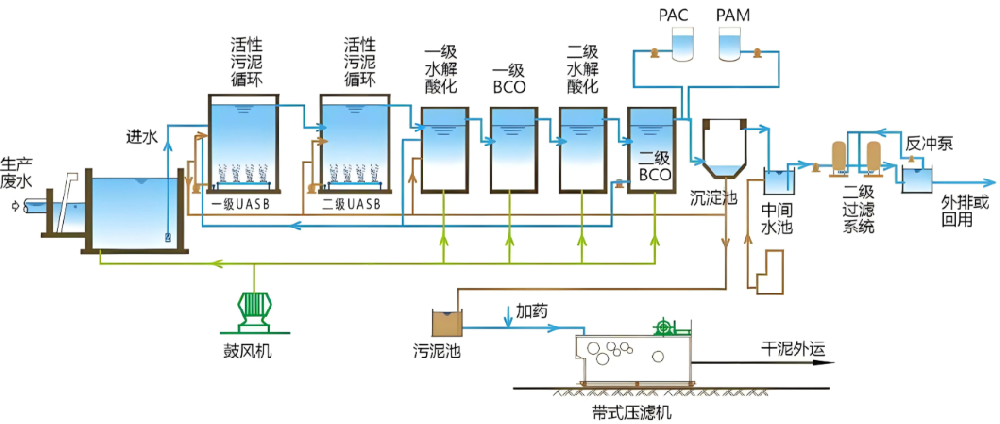
In my years of consulting for healthcare facilities, I have seen many engineers and facility managers struggle to choose the right medical wastewater treatment system while meeting strict discharge regulations. The consequences of poor selection range from non-compliance fines to environmental hazards. This guide provides a practical, in-depth look at equipment selection criteria and the discharge standards you must know. We will also explore how reliable manufacturers, such as Zhengzhou Puhua Technology, help hospitals achieve full compliance with tailored solutions.
Understanding Medical Wastewater Characteristics
Unlike municipal sewage, hospital effluent contains pathogens (bacteria, viruses), pharmaceutical residues, radioactive markers, heavy metals, and high concentrations of organic matter. Pre-treatment disinfection is mandatory to protect public health. These unique characteristics force the selection of robust treatment equipment capable of handling variable flow rates and toxic shocks.
Key Factors for Equipment Selection
From my field experience, the following criteria are non-negotiable when selecting medical wastewater treatment equipment:
Hydraulic and organic load: Daily flow (m³/d) and BOD/COD concentrations determine the reactor size and aeration capacity.
Discharge destination: Direct discharge to surface water requires stricter limits than municipal sewer discharge.
Footprint and space constraints: Underground or containerized systems work best for space-limited hospitals.
Disinfection efficacy: Chlorination, UV, or ozone – each has trade-offs regarding pathogen kill and byproduct formation.
Sludge handling requirements: Disinfected sludge dewatering and safe disposal are often overlooked.
Automation level: 24/7 operation with remote monitoring reduces human error and labor costs.
Discharge Standards You Must Meet
In China, the primary regulation is the Discharge Standard of Water Pollutants for Medical Organizations (GB 18466-2005). Similar limits apply under WHO guidelines for healthcare wastewater. Below are the key direct discharge limits (daily averages) for comprehensive hospitals:
| Parameter | Limit (mg/L, except pH and coliform) |
|---|---|
| pH | 6-9 |
| COD | 60 |
| BOD5 | 20 |
| SS | 20 |
| Ammonia nitrogen (NH3-N) | 15 |
| Fecal coliforms (MPN/L) | 500 |
| Total chlorine (if chlorination used) | 0.5 |
Note that for infectious disease hospitals, the limits are even stricter (e.g., COD ≤ 60 mg/L but with pre-disinfection requirement). Always verify local requirements, as some regions set lower phosphorus limits.
Common Treatment Processes and Equipment Types
Based on hundreds of installations, three core technologies dominate medical wastewater treatment. The table below compares their typical application scenarios:
| Technology | Effluent Quality | Footprint | Operation Cost | Best for |
|---|---|---|---|---|
| Contact Oxidation + Sedimentation + Disinfection | Meets GB18466 standard | Medium | Low | Small to medium hospitals (100-500 beds) |
| Membrane Bioreactor (MBR) + UV/Chlorine | Superior (low SS, stable) | Small | Medium-High | Space-limited or reuse projects |
| MBBR + Sand Filtration + Ozone | Good removal of micropollutants | Large | Medium | Large hospitals with high organic load |
For most general hospitals, an integrated medical wastewater treatment equipment combining anoxic-oxic (A/O) or contact oxidation with chlorine disinfection offers a reliable, cost-effective solution. Zhengzhou Puhua Technology designs such systems with pre-fabricated steel tanks, reducing on-site construction time. Their equipment line includes everything from gridders to sludge dewatering units, ensuring a complete chain of compliance.
Selecting the Right Disinfection Technology
Disinfection directly impacts fecal coliform counts and residual toxicity. Below are the common options:
Sodium hypochlorite / chlorine dioxide: Low cost, proven efficacy, but requires dechlorination if residual chlorine exceeds standard. Suitable for facilities with skilled operators.
Ultraviolet (UV) radiation: No chemical residuals, instant disinfection, but requires low effluent turbidity (typical after MBR or sand filter). Higher upfront cost.
Ozone: Very strong oxidant, reduces COD and color, but equipment is more complex and costly.
Many projects combine biological treatment with UV, as it poses no toxicity to receiving water bodies. However, for hospitals concerned about virus inactivation, chlorination may be preferred with subsequent dechlorination steps.
How Zhengzhou Puhua Technology Delivers Compliant Solutions
Having partnered with numerous environmental engineering firms, I have seen Zhengzhou Puhua Technology successfully deliver turnkey medical wastewater treatment systems. They are a recognized manufacturer of pollution control equipment, providing not only medical wastewater treatment equipment but also dust removal, desulfurization, denitrification, VOCs, and pneumatic conveying systems. Their core products for healthcare facilities include integrated MBR units, packaged contact oxidation plants, and advanced disinfection modules.
What makes them stand out is their customized approach: they start by analyzing a hospital's daily water quality report, peak flow hours, and local discharge limits, then recommend a precise equipment train. For example, a 300-bed general hospital they equipped with an underground MBR system consistently meets COD < 30 mg/L and zero detection of fecal coliforms, far below the mandatory standard.
Operation and Maintenance Considerations
Even the best equipment will fail without proper O&M. From my site audits, these points are critical:
Weekly inspection of disinfection system dosing rates (chlorine residual test).
Monthly sludge withdrawal and dewatering – accumulated sludge must be disinfected before disposal.
Quarterly calibration of online COD and ammonia analyzers (if installed).
Regular aeration diffuser cleaning to maintain oxygen transfer efficiency.
A reliable manufacturer like Zhengzhou Puhua Technology provides detailed manuals and remote troubleshooting support, significantly reducing downtime.
Common Selection Mistakes to Avoid
Underestimating peak flow during rainy seasons or outpatient surges → leads to bypass and violation.
Choosing a disinfection method incompatible with effluent suspended solids → shields pathogens and reduces efficacy.
Ignoring sludge disposal route – some regions ban direct landfilling of untreated medical sludge.
Conclusion
Selecting the right medical wastewater treatment equipment requires a balancing act between discharge standard requirements, capital cost, operational convenience, and reliability. Always start with a thorough water characterization and consult with experienced manufacturers. Companies like Zhengzhou Puhua Technology, with their broad portfolio in environmental protection equipment and proven track record in hospital projects, can guide you from design to commissioning. Remember that compliance is not a one-time achievement but a continuous process supported by appropriate equipment and service.
For a tailored equipment proposal that meets your local discharge standards, reach out to engineering teams who understand both the regulation and real-world operation.
Related Articles
-

Zeolite Fixed Bed+Catalytic Combustion Equipment (RCO)
[list:visits]
-

Resin desorption+condensation recovery equipment
[list:visits]
-

Cooking oil fume purifier
[list:visits]
Subscribe to Our Newsletter
Stay updated with the latest news and insights from Puhua Tech.