
Fan, Valve, Burner Critical Components: Regular Inspection and Replacement Standards
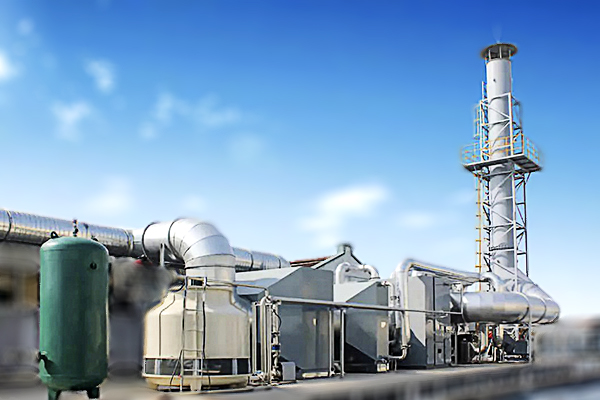
In industrial environmental protection systems, the reliable operation of core components such as fans, valves, and burners directly determines the efficiency and stability of dust removal, desulfurization, denitrification, and VOCs organic waste gas treatment equipment. Establishing clear regular inspection and replacement standards for these critical parts not only extends equipment life but also prevents unplanned downtime. This guide provides comprehensive, practical standards based on industry best practices and engineering experience, helping you build a predictive maintenance strategy.
Why Standardized Inspections Matter for Environmental Protection Equipment
For facilities using baghouse dust collectors, RCO catalytic combustion devices, RTO equipment, VOCs treatment systems, desulfurization towers, denitrification units, pulse dust collectors, mobile dust collectors, ultra-low emission equipment, or wastewater treatment units, component failure can lead to emissions non-compliance and energy waste. Zhengzhou Puhua Technology, a professional environmental protection equipment manufacturer, emphasizes that a preventive replacement schedule based on operating hours and environmental conditions reduces emergency repairs and lowers total ownership costs.
Key Component 1: Industrial Fans – Inspection & Replacement Criteria
Fans are the “heart” of pneumatic conveying and dust extraction systems. Their deterioration directly affects airflow and pressure.
Regular Inspection Checklist (Monthly/Quarterly)
Vibration analysis: Excessive vibration (above 4.5 mm/s RMS) indicates bearing or impeller imbalance.
Bearing temperature monitoring: If temperature exceeds 70°C under normal load, inspect lubrication or replace bearings.
Impeller wear: For abrasive dust-laden air, check blade edges every 3 months – replace when thinning exceeds 30% of original thickness.
Belt and pulley alignment: Misalignment increases power consumption – replace belts every 4,000 operating hours or if cracks appear.
Recommended Replacement Standards for Fan Components
| Component | Normal Replacement Interval | Critical Condition (Replace Immediately) |
|---|---|---|
| Fan bearings | 25,000 – 30,000 hours | Abnormal noise, pitting, or excessive radial play >0.05 mm |
| Impeller/wheel | 5 – 7 years (non-corrosive) | Cracks, severe erosion, or imbalance after dynamic balancing attempt |
| Drive belts | 4,000 – 6,000 hours | Fraying, glazing, or length difference >5% from new belt |
| Housing liners (abrasive duties) | 12 – 18 months | Worn through to metal substrate |

Key Component 2: Valves – Leakage & Response Time Standards
Valves (including butterfly valves, damper valves, and solenoid valves) control gas/liquid flow in desulfurization towers, denitrification systems, and VOCs concentration zones. A leaking valve can bypass untreated gases or waste reagents.
Inspection Frequency Based on Valve Type
Pneumatic butterfly valves (RTO/RCO inlet/exhaust): Actuator response test every month – replace if stroke time increases >30% from baseline.
Pressure relief valves: Function test every 6 months – replace if set pressure deviation exceeds ±5%.
Gate valves in slurry lines (desulfurization): Inspect sealing surfaces every 2 months – replace when leak rate exceeds 0.5% of flow capacity.
Replacement Standards for Valves
Seat leakage: For critical VOCs service, any visible bubble under 10 kPa air test – replace valve or seat seal immediately.
Stem wear: If stem diameter reduction exceeds 0.3 mm in sealing zone – replace stem or complete valve.
Actuator diaphragm (pneumatic): Replace every 5 years or if cracking/perforation is found during internal inspection.
Corrosion allowance: For stainless steel valves in wet desulfurization environments – replace remaining wall thickness below 75% of original.
Key Component 3: Burners (Direct-Fired RTO & RCO Systems)
Burners in RCO catalytic combustion devices, RTO equipment, and direct thermal oxidizers maintain oxidation temperatures (typically 750°C – 850°C). Inconsistent combustion leads to incomplete VOCs destruction.
Regular Inspection Points for Burners
Flame detector sensitivity: Test weekly – replace sensor if response time >5 seconds or false flame signal occurs twice in a month.
Fuel nozzle (gas/oil): Check for coking every 2,000 operating hours – replace nozzle orifice if wear causes flow deviation >±8%.
Ignition transformer: Inspect spark strength every 6 months – replace if spark gap cannot jump 6 mm consistently.
Flame rod (flame ionization): Replace every 3 years or if coating shows spalling, whichever occurs first.
Replacement Schedule for Burner Components
| Component | Standard Replacement Cycle | Emergency Replacement Indication |
|---|---|---|
| Gas burner nozzle | 8,000 – 10,000 hours | Flame instability or orange/yellow flame instead of blue |
| Ignition electrode | 12,000 hours or 2 years | Eroded tip length<8 mm=""> |
| UV flame scanner | 4 – 5 years | No signal despite visible flame (after cleaning lens) |
| Air-fuel ratio regulator | 6 years or major overhaul | O2 trim reading drifts ±3% from baseline at same load |
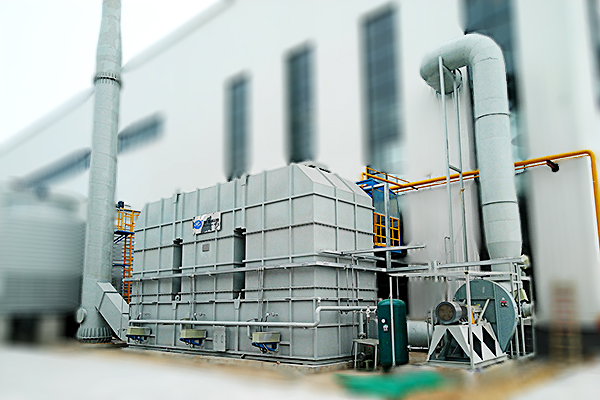
How Zhengzhou Puhua Technology Supports Your Maintenance Plan
Zhengzhou Puhua Technology is a professional environmental protection equipment manufacturer in Henan, specializing in the design, R&D, and production of comprehensive pollution control systems. Our product range includes baghouse dust collectors, RCO catalytic combustion devices, RTO equipment, VOCs organic waste gas treatment equipment, desulfurization towers, denitrification equipment, photocatalytic oxidation units, pulse dust collectors, mobile dust collectors, ultra-low emission systems, pneumatic conveying equipment, and wastewater treatment plants. We provide original replacement parts with certified material traceability for fans, valves, and burners used in our systems and third-party equipment.
Our engineering team recommends integrating the above inspection standards into a Computerized Maintenance Management System (CMMS) with automatic alerts based on operating hours. We also offer on-site audits to validate your current component replacement criteria against actual duty cycles.
Implementation Checklist for Maintenance Teams
Create component logbooks for each fan, valve, and burner – record installation date, serial number, and baseline vibration/temperature.
Perform weekly visual checks for abnormal noise, odor, or visible gas leakage around valve stems and burner access doors.
Use infrared thermography quarterly on electrical valve actuators and burner control panels – replace components showing hotspot >15°C above ambient.
For high-availability plants (24/7 operation), reduce all recommended intervals by 20%.
Stock critical spares: two fan bearings, one complete gas burner nozzle assembly, and three most-common valve actuators.
Conclusion
Adhering to rigorous inspection and replacement standards for fans, valves, and burners is the most cost-effective way to achieve compliance and process stability. By implementing the schedules and criteria detailed above, you minimize unplanned outages and extend equipment life. For personalized support or to source high-quality replacement components, contact Zhengzhou Puhua Technology’s aftermarket team – we provide technical documentation and field service assistance for all environmental protection equipment.
Related Articles
-

Zeolite Fixed Bed+Catalytic Combustion Equipment (RCO)
[list:visits]
-

Resin desorption+condensation recovery equipment
[list:visits]
-

Cooking oil fume purifier
[list:visits]
Subscribe to Our Newsletter
Stay updated with the latest news and insights from Puhua Tech.