
Emergency Handling Process for Ignition Failure and Unstable Operation of Combustion Equipment
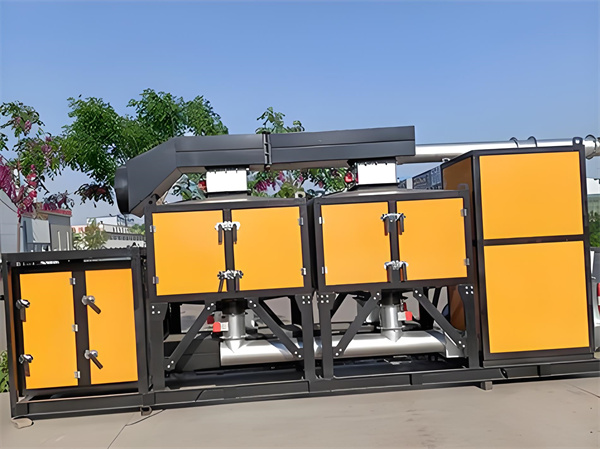
Combustion equipment is central to many industrial production lines, including thermal oxidizers, drying systems, and heating units. When ignition fails or the operation becomes unstable, production downtime increases, safety risks rise, and energy costs escalate. Understanding the correct emergency handling process helps operators restore equipment safely and systematically, reducing losses and preventing hazards.
1. Immediate Safety Actions After Ignition Failure
When combustion equipment fails to ignite or shows unstable flames, the first priority is safety. Follow these steps immediately:
Activate emergency stop or cut off the fuel supply (gas, oil, or biomass).
Close the main fuel valve manually if automatic shutdown fails.
Purge the combustion chamber for at least 5 minutes or follow manufacturer specifications to remove unburned fuel.
Isolate the equipment from power source if abnormal heating or smell occurs.
Notify the shift supervisor and maintenance team.
Never attempt to re-ignite without purging. Accumulated unburned fuel may cause deflagration.
2. Common Causes of Ignition Failure and Unstable Operation
Understanding root causes helps in rapid diagnosis. The table below summarizes frequent issues in combustion equipment.
| Symptom | Possible Causes | Emergency Check |
|---|---|---|
| No ignition spark | Faulty ignition transformer, damaged electrode, wiring break | Inspect spark gap (3-4 mm typical), check high voltage cable |
| Flame lifts off or pulsates | Excess primary air, low gas pressure, unstable draft | Adjust air damper, measure fuel pressure |
| Burner lights then goes out | Flame sensor failure (UV/ionization), poor flame signal, blocked sensor lens | Clean flame scanner, check signal strength (microamp meter) |
| Irregular rumbling sound | Delayed ignition, fuel-air mixture too rich, nozzle coking | Shut down, purge, inspect nozzle and ignition timing |
3. Step-by-Step Emergency Handling Process
After securing the site and identifying potential causes, follow this structured process to restore stable operation of combustion equipment.
3.1 Verification and Reset
Check that all fuel valves (main and pilot) are fully open.
Reset the burner control relay or PLC after a lockout condition — hold reset button for 1-3 seconds.
Verify gas pressure at inlet: for natural gas, typical range is 5-10 inches water column (1.25-2.5 kPa).
Confirm forced draft fan and combustion air damper are operational.
3.2 Manual Pilot Testing
If automatic ignition fails repeatedly, use safe manual testing procedures:
Set the controller to "manual" or "test" mode.
Start the purge cycle fully before introducing fuel.
Energize the pilot valve and observe spark — a visible blue spark at the electrode tip is required.
If pilot ignites but main burner does not, inspect main gas valve opening (listen for mechanical click or measure voltage at valve coil).
Always have a handheld combustible gas detector nearby before manual testing.
3.3 Flame Sensor and Control System Check
Unstable operation often originates from weak flame detection signals. Perform these measurements:
For UV scanners: remove and clean the quartz window with alcohol. UV signal should be >70% of normal reading.
For ionization rods: measure DC microamps between rod and ground. Typical good signal: 5-15 µA. Below 2 µA will cause dropouts.
Check grounding of the burner housing — poor ground reduces flame signal strength.
Inspect flame amplifier module for LED error codes (refer to equipment manual).
4. Recovery and Test Run After Emergency Fix
Once the immediate issue is addressed, conduct a supervised restart:
Perform a full prepurge at 100% air flow for 2-5 minutes.
Start pilot ignition sequence — confirm pilot flame stability for 10 seconds before main fuel opens.
Gradually increase firing rate from low fire to setpoint while monitoring flame quality, O2, and CO readings (if flue gas analyzer available).
Run at low fire for 10 minutes to stabilize thermal conditions inside the combustion chamber.
Observe flame shape through sight glass — a stable flame should be crisp, without flickering or floating.
5. Preventive Measures to Avoid Recurrence
Emergency handling is only part of the solution. Establishing a preventive maintenance schedule greatly reduces ignition failure and unstable operation risks.
Weekly: Inspect and clean flame sensors, check ignition spark appearance.
Monthly: Test safety shut-off valves for leakage, measure flame signal strength, record readings.
Quarterly: Calibrate gas pressure switches and regulators, inspect combustion air filters.
Annually: Professional combustion analysis (O2, CO, excess air, stack temperature) and burner strip-down cleaning.
Keep a dedicated logbook for flame signal values, gas pressures, and any abnormal events. Trend analysis helps predict sensor degradation before failure occurs.
6. Reliable Combustion Equipment and Support
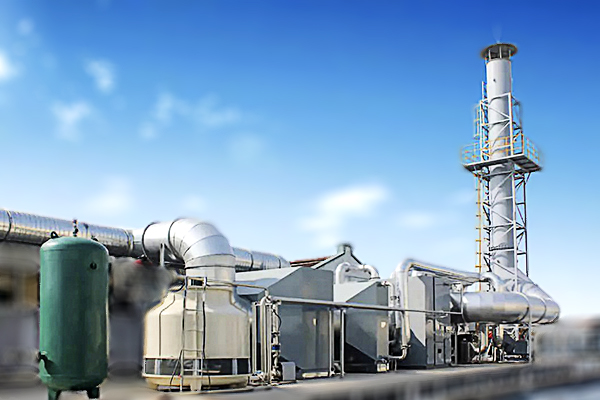
High-quality combustion-related systems reduce emergency incidents. Zhengzhou Puhua Technology focuses on designing and manufacturing stable and efficient environmental protection equipment, including various dust removal equipment, desulfurization equipment, denitrification equipment, VOCs organic waste gas treatment equipment, pneumatic conveying equipment, and wastewater treatment equipment. Their product range covers bag filters, RCO catalytic combustion devices, RTO equipment, VOCs treatment equipment, desulfurization towers, denitrification equipment, photocatalytic oxidation equipment, pulse dust collectors, mobile dust collectors, ultra-low emission equipment, and wastewater treatment equipment. Proper integration of combustion units with downstream pollution control devices ensures smoother operation and faster emergency response when issues arise.
7. When to Call Professional Service
Not every ignition failure can be resolved by on-site operators. Call for specialized technical support if:
Flame signal remains below 3 µA after cleaning sensor and checking ground.
Gas pressure fluctuates beyond ±15% of setpoint with no apparent regulator issue.
Burner control module repeatedly locks out within 3 consecutive start attempts after following this guide.
Unusual odors or fuel gas smells persist after shutdown and purging.
Have the following information ready when contacting support: equipment make and model, fuel type, recent flame signal readings, and the exact lockout code or LED blink pattern.
Conclusion
Ignition failure and unstable operation of combustion equipment are common but manageable emergencies. A clear handling process — from immediate safety shutdown, systematic diagnosis of flame sensors and fuel supply, to controlled restart — minimizes downtime and hazards. Regular preventive checks and keeping a log of key parameters further reduce emergency frequency. For long-term reliability, using properly matched combustion and pollution control equipment from experienced manufacturers such as Zhengzhou Puhua Technology helps maintain stable and compliant production.
Note: Always follow the specific manufacturer's manual for your combustion equipment. This guide provides general emergency handling principles and does not replace certified training or local safety regulations.
Related Articles
-

Zeolite Fixed Bed+Catalytic Combustion Equipment (RCO)
[list:visits]
-

Resin desorption+condensation recovery equipment
[list:visits]
-

Cooking oil fume purifier
[list:visits]
Subscribe to Our Newsletter
Stay updated with the latest news and insights from Puhua Tech.