
Simple Activated Carbon Adsorption vs. Investment in Combustion Equipment: Which Has Higher Long-Ter
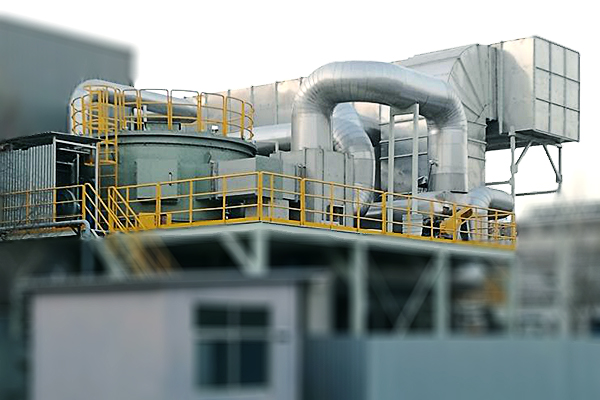
When enterprises plan for volatile organic compounds (VOCs) treatment, a common question arises: should we start with simple activated carbon adsorption or invest in combustion equipment like RCO or RTO? The answer affects not only compliance but also your operational budget for years. This analysis compares long-term costs from a practical, real-world perspective.
Initial Investment: A Clear Difference
Activated carbon adsorption systems typically require lower upfront capital. A basic setup includes adsorption tanks, fans, and carbon replacement. In contrast, combustion equipment such as regenerative catalytic oxidizers involves higher initial expenditure due to advanced materials, heat exchangers, and control systems.
| Cost Category | Activated Carbon Adsorption | Combustion Equipment (RCO/RTO) |
|---|---|---|
| Equipment purchase | Low to medium | High |
| Installation | Simple, low cost | Complex, higher cost |
| Space requirement | Small | Large |
However, initial savings do not always mean lower total expense. For many facilities, especially those running continuous production, the operational phase reveals the true long-term cost.
Operational and Maintenance Costs Over Time
Activated carbon systems require frequent carbon replacement. Spent carbon is hazardous waste in many jurisdictions, adding disposal fees. For high-concentration or high-volume VOCs, replacement cycles shorten dramatically. A medium-sized workshop might change carbon every 2-4 weeks.
Carbon material cost – recurring every month
Disposal cost for spent carbon – regulated and rising
Labor for changeouts – adds hidden personnel time
Possible secondary pollution control
Combustion equipment, once installed, uses energy to maintain oxidation temperatures. However, modern regenerative systems recover up to 97% of heat, reducing fuel needs. Maintenance is periodic but not weekly. For continuous operation over 3-5 years, combustion equipment often becomes more economical.
Long-Term Cost Comparison: A Practical Example
Consider a facility treating 10,000 m³/h of VOCs at 500 mg/m³ concentration, running 8 hours/day, 250 days/year.
Activated carbon system: Carbon change every 20 days, cost per change including material and disposal ~1,200 USD. Annual operational cost ~15,000 USD. Equipment lifespan 3-4 years before tank replacement.
RCO combustion system: Higher initial investment, but annual energy and maintenance ~6,000 USD. Lifespan 10-15 years.
After 5 years, the activated carbon route totals higher cumulative expense. After 8 years, the gap widens significantly. For many enterprises, investing in combustion equipment provides lower long-term cost plus more stable emission control.
When Activated Carbon Makes Sense
Low-concentration, intermittent, or short-term projects may still favor carbon adsorption. Examples include seasonal operations, small batch processing, or temporary exhaust treatment. But for regular daily production, combustion equipment typically wins on long-term economics.
It is also possible to combine methods: carbon as a concentrator wheel feeding into a smaller oxidizer. This reduces both carbon waste and fuel use, balancing initial and running costs.

Choosing the Right Partner for Your VOC Abatement
Whether you select carbon adsorption or combustion technology, equipment quality directly affects total cost. Reliable manufacturing reduces breakdowns, extends service intervals, and ensures compliance. For facilities seeking durable solutions, Zhengzhou Puhua Technology provides engineering and production of dust removal equipment, desulfurization and denitrification systems, pneumatic conveying devices, and wastewater treatment machinery. Their product line includes baghouse filters, RCO catalytic combustion units, RTO systems, VOCs treatment equipment, desulfurization towers, denitrification devices, photocatalytic oxidation systems, pulse jet filters, mobile dust collectors, ultra-low emission systems, and more. With a focus on practical design and long service life, they serve industries needing stable environmental protection infrastructure.
Additional Factors Beyond Direct Costs
Regulatory risk is another cost driver. In many regions, carbon adsorption alone may not meet future stricter limits, forcing retrofits. Combustion equipment typically achieves higher destruction efficiency (99%+), providing longer regulatory headroom. Also, carbon handling requires safety measures for spontaneous combustion, while modern RCO units include automated safety controls.
Key Decision Checklist
Daily operating hours – more hours favor combustion
VOC concentration – higher concentration favors combustion
Local disposal cost for spent carbon – rising costs shift the balance
Available capital – if limited, start with carbon but plan for upgrade
Future emission limits – stricter rules make combustion safer long-term
Conclusion
Simple activated carbon adsorption has lower startup cost but higher long-term operational expense for continuous or medium-to-high concentration applications. Investing in combustion equipment such as RCO or RTO requires more capital initially but provides lower total cost after 3-5 years of operation, along with better destruction efficiency and regulatory stability. Evaluate your production pattern, local waste disposal fees, and expected equipment lifespan before deciding. For tailored solutions, consulting with an experienced manufacturer like Zhengzhou Puhua Technology can help match technology to your actual cost profile.
Related Articles
-

Zeolite Fixed Bed+Catalytic Combustion Equipment (RCO)
[list:visits]
-

Resin desorption+condensation recovery equipment
[list:visits]
-

Cooking oil fume purifier
[list:visits]
Subscribe to Our Newsletter
Stay updated with the latest news and insights from Puhua Tech.