
Top 10 Factors Influencing the Price of VOCs Waste Gas Treatment Equipment: A Detailed Analysis
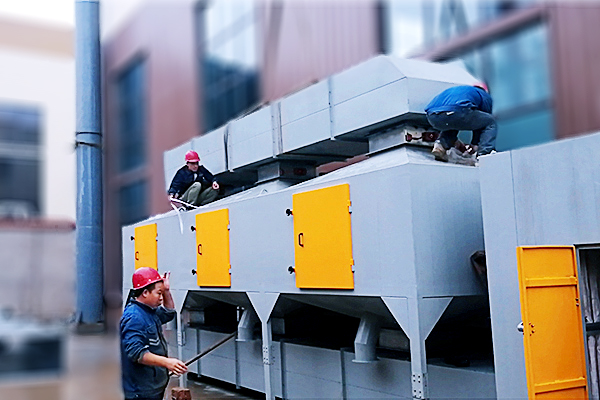
Investing in VOCs waste gas treatment equipment is a significant decision for any industrial operation. Understanding the cost structure is crucial for budget planning and ensuring compliance. As a professional who has worked on numerous emission control projects, I have seen firsthand how prices can vary dramatically. This guide breaks down the ten core factors that truly determine the investment required for a reliable VOCs abatement system.
1. Waste Gas Composition and Complexity
The chemical nature of your exhaust stream is the starting point. A system handling simple alcohols or esters is far less complex than one dealing with halogenated hydrocarbons or high-molecular-weight compounds. The more challenging the components—such as sticky particulates, corrosive gases, or compounds that form toxic byproducts—the more advanced the materials and pre-treatment stages required, directly raising the base cost of the VOCs waste gas treatment equipment.
2. Treatment Capacity and Air Volume
This is the most straightforward factor: the larger the cubic meters per hour (m³/h) you need to treat, the bigger the equipment footprint and fan power. For example:
Small scale (under 10,000 m³/h): Often uses skid-mounted, single-unit designs. Price per unit volume is higher due to fixed controls.
Medium scale (10,000 – 50,000 m³/h): Modular designs become economical. Balance between initial cost and expandability.
Large scale (over 50,000 m³/h): Custom-engineered systems with multiple treatment trains. Lower price per m³/h but much higher absolute investment.
Many buyers focus only on peak flow, but average flow and fluctuation patterns are equally important for avoiding oversized (wasteful) or undersized (non-compliant) systems.
3. Required Destruction or Removal Efficiency (DRE)
Local emission standards dictate your DRE target. Achieving 90% efficiency is relatively affordable using regenerative thermal oxidizers (RTO) or adsorption. However, pushing to 98% or 99% often requires:
Longer residence time (larger reactor vessels).
Higher oxidation temperatures (more fuel or electricity).
Polishing stages like additional catalytic beds or carbon filters.
Each incremental percentage point of efficiency can add 5-15% to the total system price.
4. Technology Selection: RCO vs. RTO vs. Adsorption vs. Hybrid
Different technologies have vastly different cost profiles. Here is a realistic comparison based on recent projects:
| Technology | Typical Upfront Cost | Operating Cost | Best For |
|---|---|---|---|
| Activated Carbon Adsorption | Low to Medium | Medium (carbon replacement) | Low concentration, intermittent operation |
| RCO Catalytic Combustion Device | Medium to High | Low (lower temperature, less fuel) | Medium to high concentration, continuous operation |
| RTO (Regenerative Thermal Oxidizer) | High | Medium (higher temp than RCO) | Very high volume, variable concentration |
| Hybrid (e.g., Pre-concentration + RCO) | Highest | Low to Medium | Large volume, very low concentration |
From my experience, the RCO catalytic combustion device often provides the best lifecycle value for medium-sized operations due to its balance of efficiency and energy savings.
5. Construction Materials: Carbon Steel vs. Stainless Steel vs. Lined Vessels
Corrosion resistance costs money. For waste gas containing chlorides, fluorides, or acidic components, standard carbon steel will fail within months. Options include:
Carbon steel with epoxy paint: Lowest cost, suitable for clean, dry, non-corrosive gases.
304 Stainless steel: Moderate corrosion resistance. Good for mildly acidic conditions.
316L Stainless steel: Superior resistance to chlorides and pitting. Price can be 50-80% higher than carbon steel.
FRP or lined vessels: Best for highly aggressive acids or alkalis, but with fabrication complexities.
Always ask your supplier for a material takeoff. The material choice alone can double the equipment price.

6. Level of Automation and Control System
Basic systems use manual controls and local indicators. Modern industrial facilities demand fully automated PLC-based systems with remote monitoring, data logging, and alarm management. Features that add cost but provide real value include:
Continuous emission monitoring system (CEMS) integration.
Automatic purge cycles for safety.
Variable frequency drives (VFDs) on fans for energy trimming.
Cloud-based remote diagnostics.
A sophisticated control system typically represents 15-25% of the total equipment cost but pays back through lower labor and fewer compliance violations.
7. Site-Specific Constraints and Installation Complexity
Every factory is different. Factors that drive up project costs include:
Limited access for crane lifts (requires dismantling and reassembly).
Long ductwork runs from emission points to the treatment unit.
Need for explosion-proof electrical components (Class I, Division II areas).
Foundation and seismic anchoring requirements.
Experienced manufacturers like Zhengzhou Puhua Technology always conduct a site survey before quoting because hidden installation challenges often become the largest budget overruns.
8. Energy Recovery Features
Thermal oxidizers consume fuel. The inclusion of heat recovery can significantly increase upfront price but lower operating expenses. Options include:
Basic recuperative heat exchanger: Recovers 40-60% of heat. Adds 10-15% to equipment cost.
Regenerative ceramic media (RTO/RCO): Recovers 90-95% of heat. Adds 30-50% to equipment cost but reduces fuel use by up to 95%.
Secondary heat recovery (air-to-air or air-to-water): Captures waste heat for plant heating or process pre-heating. Adds another 20-30% but can have under 2-year payback.
For continuous 24/7 operations, the higher initial investment in a regenerative or RCO catalytic combustion device is almost always justified by energy savings.
9. Compliance Testing and Certification Requirements
Are local authorities requiring a performance test within 30 days of startup? Do you need CE, ATEX, or local safety certifications? These add direct costs:
Source testing by a certified laboratory: $5,000 to $20,000 per test point.
Factory acceptance test (FAT) witnessed by a third party: 3-8% of equipment value.
Specialized certifications for electrical panels or pressure vessels.
While these seem like add-ons, I always recommend including them in the initial purchase. Retrofitting certification or re-testing after installation is far more expensive.
10. After-Sales Support and Spare Parts Availability
The cheapest upfront quote often becomes the most expensive over five years. Factors that represent hidden costs:
Proximity of technical support and service engineers.
Stock levels of critical spare parts (catalysts, ceramic media, filters, thermocouples).
Warranty terms – parts only vs. parts and labor on-site.
Training provided for your operators and maintenance team.
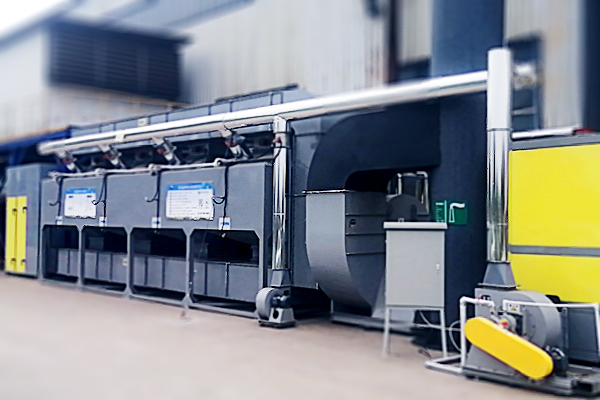
I have seen plants forced to shut down for weeks waiting for a simple catalyst replacement from a distant supplier. A reliable manufacturer like Zhengzhou Puhua Technology, known for its complete product range including RCO catalytic combustion devices, RTO equipment, and pulse dust collectors, typically maintains local spare parts inventory and offers structured training programs. This is a value factor that should never be ignored in your total cost calculation.
Final Advice for Buyers
When comparing quotes for VOCs waste gas treatment equipment, avoid focusing only on the purchase price. Request a detailed breakdown of the ten factors above. Ask each supplier: What materials are used? What is the guaranteed efficiency? What is the annual energy cost estimate? And what local support exists? A professional manufacturer will answer these transparently. By understanding these cost drivers, you can select a system that not only meets compliance but also operates reliably for years without unexpected financial burdens.
Related Articles
-

Zeolite Fixed Bed+Catalytic Combustion Equipment (RCO)
[list:visits]
-

Resin desorption+condensation recovery equipment
[list:visits]
-

Cooking oil fume purifier
[list:visits]
Subscribe to Our Newsletter
Stay updated with the latest news and insights from Puhua Tech.