
Operating Energy Consumption and Energy-Saving Optimization Measures for Regenerative Catalytic Oxid
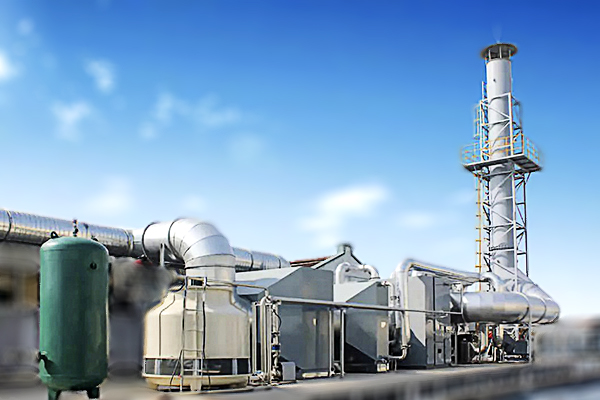
For facilities managing volatile organic compounds (VOCs), the Regenerative Catalytic Oxidizer (RCO) is a highly effective solution. However, many plant managers and environmental engineers face a common challenge: high operating energy costs. While RCO technology is known for being more energy-efficient than thermal oxidizers, improper design, operation, or maintenance can lead to significant energy waste. This article provides a comprehensive, practical guide to understanding RCO energy consumption and implementing proven optimization measures to reduce expenses without compromising destruction efficiency.
Understanding Where Energy Is Consumed in an RCO System
To reduce energy use, you must first understand the main consumers. A typical RCO system consumes energy in four primary areas:
System preheating: Initial heat-up of the ceramic media and catalyst bed to reach light-off temperature.
Supplemental heating: Burner or electric heater operation when inlet VOC concentration is low.
System blowers and fans: Moving exhaust gas through the system and overcoming pressure drops.
Purge and damper actuators: Small but continuous energy use in valve switching and purging cycles.
Among these, supplemental heating often accounts for the largest share—sometimes exceeding 60% of total operating energy—especially when inlet VOC levels fall below the self-sustaining threshold. Therefore, most optimization efforts target this area.
Key Factors That Influence RCO Energy Efficiency
Several design and operational variables directly impact the energy performance of your RCO catalytic combustion equipment. Understanding these factors helps you identify improvement opportunities.
| Factor | Impact on Energy Consumption | Typical Optimization Direction |
|---|---|---|
| Inlet VOC concentration | Lower concentration = more auxiliary fuel needed | Concentrate VOC stream before RCO |
| Ceramic media heat recovery efficiency | Efficiency < 90% significantly increases fuel use | Select high-surface-area media, ensure proper bed depth |
| Catalyst activity level | Aged catalyst requires higher operating temperature | Regular catalyst testing and timely replacement |
| Pressure drop across system | Higher pressure drop = higher fan energy | Clean media beds, inspect ductwork for blockages |
Seven Proven Measures to Reduce RCO Operating Energy Costs
Based on field experience across multiple industrial sectors, the following optimization measures deliver measurable energy savings. These strategies apply to both new and existing RCO catalytic combustion equipment.
1. Maximize Heat Recovery Through Proper Media Selection
The regenerative heat exchange efficiency of ceramic media directly determines how much supplemental heat is required. Modern saddle-ring or structured block media can achieve 95%+ heat recovery. If your current media is more than five years old, consider replacing it with higher-efficiency alternatives. Even a 3% gain in heat recovery can reduce annual fuel consumption by 10-15%.
2. Implement Automatic Inlet Concentration Monitoring
Install a continuous VOC analyzer upstream of the RCO. When concentration rises above the self-sustaining level, the system can automatically reduce burner firing or modulate bypass dampers. Conversely, when concentration drops, the system can increase preheat or temporarily switch to standby mode. This dynamic control prevents energy waste during low-load periods.
3. Optimize the Purge Cycle Sequence
Traditional RCO systems use fixed-timing purge cycles. However, optimizing purge duration based on actual residual VOC levels can reduce heat loss during valve switching. Many facilities reduce purge time by 20-30% without breakthrough, cutting energy use by 5-8%.
4. Reduce System Pressure Drop with Regular Maintenance
Pressure drop is an often-overlooked energy drain. As ceramic media beds accumulate particulate matter or polymerization products, pressure drop increases, forcing fans to work harder. Establish a quarterly inspection schedule. When pressure drop exceeds design value by 25%, perform hot or cold cleaning of the media beds. This simple measure can reduce fan energy by up to 20%.
5. Preheat with Process Waste Heat When Possible
If your plant has other waste heat sources (e.g., oven exhaust, boiler flue gas), consider integrating a heat exchanger to preheat the RCO inlet stream. Even raising inlet temperature by 30-40°C can significantly reduce burner run time. This approach works particularly well for facilities with intermittent RCO operation.
6. Schedule High-Load Production During Off-Peak Hours
While not a technical modification, operational scheduling can reduce energy costs if your electricity or gas rates vary by time of day. Run RCO systems continuously during VOC-generating shifts, but avoid keeping them at full preheat during idle periods. Use programmable logic controller (PLC) based setback modes that maintain ceramic bed warmth without full burner operation.
7. Upgrade to Variable Frequency Drives (VFDs) on Main Fans
Fixed-speed fans often run at full capacity even when exhaust volume is low. Retrofitting VFDs on main system blowers allows the fan speed to match actual airflow demand. Typical payback period for VFD installation is 12-18 months, with fan energy reductions of 25-40%.
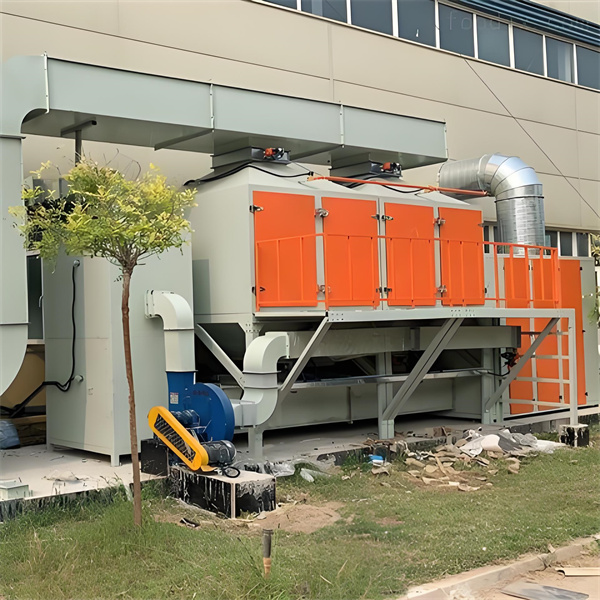
Comparing RCO Energy Performance: Before and After Optimization
The table below illustrates typical energy consumption reductions achievable with a comprehensive optimization program on a 10,000 m³/h RCO system.
| Parameter | Before Optimization | After Optimization | Reduction |
|---|---|---|---|
| Average natural gas use (Nm³/h) | 42 | 26 | 38% |
| Average fan power (kW) | 55 | 41 | 25% |
| Annual operating cost (USD) | 187,000 | 115,000 | 72,000 saved |
| CO₂ emissions (tons/year) | 890 | 548 | 342 tons |
Why Equipment Quality Matters for Long-Term Energy Efficiency
Even the best optimization measures will underperform if the base equipment is poorly designed or manufactured. High-quality RCO systems feature optimized flow distribution, low-pressure-drop valve designs, and durable catalysts that maintain activity longer. This is where choosing an experienced manufacturer makes a substantial difference.
Zhengzhou Puhua Technology specializes in the design and production of environmental protection equipment, including complete RCO catalytic combustion systems, RTO equipment, baghouse dust collectors, desulfurization and denitrification towers, and VOC treatment solutions. With extensive experience in integrating energy-saving features into their equipment—such as high-efficiency ceramic media beds, intelligent concentration-based burner controls, and low-resistance air distribution—their systems are built for both compliance and cost-effective operation. Whether you need a new RCO unit or guidance on retrofitting existing equipment for lower energy use, their engineering team provides practical, field-tested solutions.
Common Mistakes That Increase RCO Energy Waste
Avoid these frequent errors to keep your system running efficiently:
Running the RCO continuously even when production lines are idle
Setting the operating temperature higher than necessary for your specific VOC mixture
Neglecting quarterly pressure drop measurements
Using generic ceramic media not optimized for your flow rate and VOC type
Delaying catalyst replacement beyond recommended service life
Getting Started: A Practical Action Plan
Implementing all seven measures at once can be overwhelming. Instead, follow this phased approach:
Week 1-2: Measure current energy use (gas and electricity) and baseline pressure drop.
Week 3-4: Inspect and clean ceramic media beds; verify damper and valve operation.
Week 5-6: Install or calibrate VOC inlet monitoring; adjust purge cycle timing.
Month 2-3: Implement VFD retrofits if airflow varies significantly.
Month 3-6: Explore waste heat integration options with plant engineering.
Track monthly energy bills and compare to baseline. Most facilities see payback on optimization investments within 6-12 months.
Conclusion
Reducing the operating energy of your RCO catalytic combustion equipment is not only possible—it is highly cost-effective. By focusing on heat recovery, intelligent controls, pressure drop management, and routine maintenance, you can lower fuel and electricity consumption by 25-40%. For facilities seeking to upgrade or replace outdated systems, working with a knowledgeable supplier like Zhengzhou Puhua Technology ensures that energy efficiency is engineered into the equipment from the start. Start with a thorough energy audit of your current RCO system, then apply the measures outlined above to achieve sustainable savings without compromising VOC destruction performance.
Related Articles
-

Zeolite Fixed Bed+Catalytic Combustion Equipment (RCO)
[list:visits]
-

Resin desorption+condensation recovery equipment
[list:visits]
-

Cooking oil fume purifier
[list:visits]
Subscribe to Our Newsletter
Stay updated with the latest news and insights from Puhua Tech.