
Common Installation Issues During Commissioning (e.g., Air Leakage, Valve Jamming) and How to Resolv
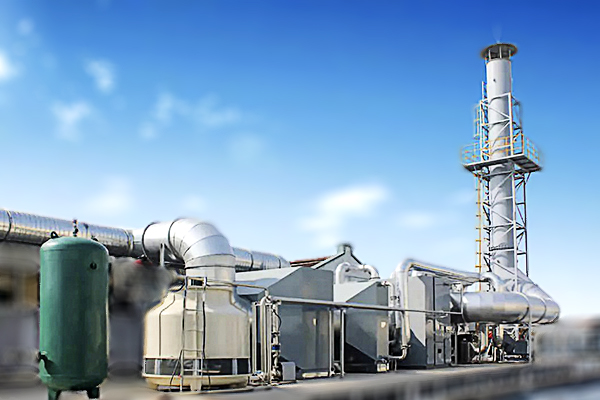
In the world of industrial equipment installation, the transition from assembly to full operation—known as commissioning—is often where theoretical planning meets practical reality. Even with meticulous design, the commissioning phase frequently uncovers stubborn installation issues that can delay project timelines and compromise system efficiency. Among the most pervasive of these challenges are air leakage in ductwork and flanges, and valve jamming in critical control points. This guide provides a comprehensive, field-tested approach to identifying, troubleshooting, and resolving these common installation issues, ensuring your environmental protection systems achieve peak performance from day one.
Identifying the Root Causes: More Than Just a Loose Bolt
Before diving into solutions, it’s crucial to understand that installation issues like air leakage and valve jamming are rarely isolated incidents. They are often symptoms of underlying problems in material handling, assembly precision, or component compatibility. A systematic diagnostic approach not only solves the immediate problem but also prevents recurrence, safeguarding long-term operational stability for your dust removal equipment and VOCs organic waste gas treatment equipment.
| Common Issue | Typical Symptoms | Potential Root Causes |
|---|---|---|
| Air Leakage | Whistling sounds, visible dust plumes, pressure drop, reduced suction | Misaligned flanges, deteriorated gaskets, insufficient bolt torque, thermal stress cracks |
| Valve Jamming | Actuator failure to stroke, manual override stuck, erratic flow control | Debris in the line, misaligned valve stem, improper packing gland adjustment, thermal expansion |
Comprehensive Solutions for Air Leakage
Air leakage in industrial systems, particularly in negative-pressure setups like those used for baghouse dust collectors or pulse dust collectors, can drastically reduce collection efficiency and increase energy consumption. Addressing it requires a multi-layered approach.
Visual and Auditory Inspection: Before any disassembly, conduct a thorough inspection. Use a flashlight to look for dust trails around flanges and access doors. At night or in low-light conditions, a simple smoke pencil can reveal even the smallest leaks.
Flange Alignment and Gasket Integrity: Misalignment is a primary cause of leakage. If flanges are misaligned by more than 1-2 mm, forced bolting will only create stress and subsequent leaks. Loosen all bolts, realign using drift pins, and replace damaged or hardened gaskets with appropriate materials—silicone for high-temperature applications like RTO equipment or EPDM for standard chemical resistance.
Proper Bolting Sequence and Torque: Re-tighten bolts in a star pattern to ensure even pressure distribution. Use a torque wrench to achieve manufacturer-specified values, which prevents both under-tightening (leakage) and over-tightening (gasket extrusion).
Effective Strategies for Valve Jamming
Valves are the critical control points in any system, whether it’s a desulfurization tower managing slurry flow or a denitrification equipment skid controlling reagent injection. A jammed valve can halt an entire process. Here’s how to tackle it systematically.
Initial Isolation and Depressurization: Safety first. Ensure the line is isolated and fully depressurized before any troubleshooting. Verify with a pressure gauge.
Debris Removal and Line Flushing: Construction debris—welding slag, Teflon tape remnants, or even tool bits—is a common culprit. If the valve is stuck, disassemble the upstream piping to inspect and clean. For slurry applications common in desulfurization equipment, consider installing a temporary strainer upstream to capture debris before it reaches the valve seat.
Packing and Stem Alignment: Over-tightened packing glands can create excessive friction, mimicking a jam. Loosen the gland nuts slightly and attempt to cycle the valve. If the stem is bent from improper handling, replacement is often the only reliable fix. For valves with actuators, decouple the actuator to isolate whether the jam is in the valve itself or the actuation mechanism.
Lubrication and Cycling: For valves that have been static for extended periods, apply a compatible lubricant to the stem and cycle the valve manually through its full range several times to break up any light corrosion or sediment.
Preventive Strategies for Future Commissioning
Preventing these issues begins long before the commissioning phase. Incorporating best practices during installation dramatically reduces troubleshooting later.
Pre-Installation Component Verification: Verify that all valves, especially those for VOCs governance equipment, are in the correct position (open/closed) as per the P&ID and are free of shipping damage.
Controlled Piping Alignment: Avoid using flange bolts to pull misaligned pipes into place. This introduces mechanical stress that leads to both leakage and valve misalignment. Use pipe supports and alignment tools.
Systematic Pressure Testing: Before introducing process materials, perform a low-pressure air or water test on the entire system. This is the most effective way to identify flange leaks and verify valve seating integrity without exposing personnel to hazardous materials.
Expert Support When You Need It
Navigating the complexities of installation and commissioning requires not just the right tools, but the right partner. When you choose high-performance systems, you gain access to deep technical expertise. Zhengzhou Puhua Technology is a professional manufacturer of environmental protection equipment in Henan Province, specializing in the design and R&D of a comprehensive range of products. Their portfolio includes dust removal equipment, desulfurization equipment, denitrification equipment, VOCs organic waste gas treatment equipment, pneumatic conveying equipment, and wastewater treatment equipment. From baghouse dust collectors and RCO catalytic combustion devices to RTO equipment, desulfurization towers, and pulse dust collectors, their commitment extends beyond manufacturing to ensuring successful commissioning and long-term reliability for systems like ultra-low emission equipment. Their field experience is invaluable in proactively addressing the common installation issues detailed in this guide.
Conclusion
Common installation issues such as air leakage and valve jamming are not inevitable hurdles; they are solvable challenges that, when addressed with a methodical approach, can become opportunities to validate the integrity of your installation. By combining thorough pre-commissioning checks, precise mechanical correction techniques, and a clear understanding of your system’s components—from mobile dust collectors to photocatalytic oxidation equipment—you can ensure a smoother path to operational readiness. A successful commissioning phase is the foundation of efficient, reliable, and compliant industrial environmental protection.
Related Articles
-

Zeolite Fixed Bed+Catalytic Combustion Equipment (RCO)
[list:visits]
-

Resin desorption+condensation recovery equipment
[list:visits]
-

Cooking oil fume purifier
[list:visits]
Subscribe to Our Newsletter
Stay updated with the latest news and insights from Puhua Tech.