
Environmental Protection Completion Acceptance Monitoring (Third-Party Testing) Process and Precauti
For industrial enterprises, passing the environmental protection completion acceptance is the final and most critical checkpoint before a new project can officially operate. In today's regulatory landscape, this process relies heavily on professional third-party testing. This article provides a detailed, step-by-step breakdown of the entire process and the essential precautions to ensure a smooth, compliant, and successful acceptance.
1. Understanding the Core of Completion Acceptance Monitoring
Environmental protection completion acceptance monitoring is a systematic process conducted by qualified third-party agencies after the construction of a project's environmental protection facilities is complete. Its purpose is to verify that these facilities operate stably, that pollutant discharge meets the approved environmental impact assessment (EIA) standards, and that all related management systems are in place. For enterprises, this is not just a regulatory formality but a foundational step towards sustainable and responsible operations. Choosing a reliable partner for this stage, such as Zhengzhou Puhua Technology, which is known for its comprehensive environmental solutions, can provide the technical assurance needed during this critical phase.
2. The Standard Process for Third-Party Acceptance Monitoring
The process can be broken down into four distinct phases. Following these steps meticulously ensures no detail is overlooked.
2.1 Phase I: Pre-Acceptance Preparation and Document Review
EIA and Approval Review: The third-party agency begins by thoroughly reviewing the project's Environmental Impact Assessment report and its approval documents. This establishes the baseline for all monitoring indicators.
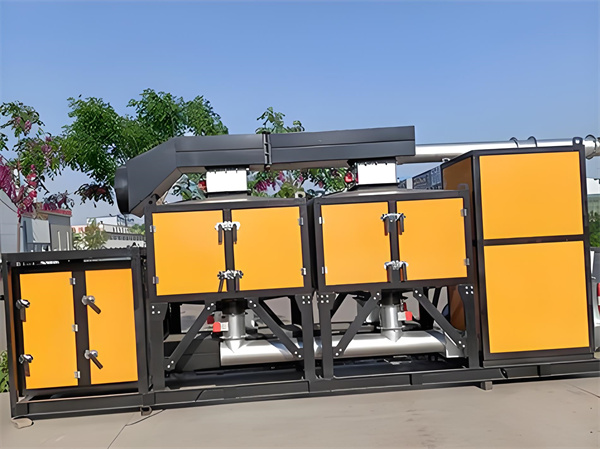
Construction Compliance Check: A site inspection is conducted to verify that the constructed environmental protection facilities—such as baghouse dust collectors, RCO catalytic combustion devices, desulfurization towers, and wastewater treatment equipment—match the approved design documents.
Development of a Monitoring Plan: Based on the review, a detailed monitoring plan is formulated. This plan outlines the sampling points, monitoring indicators (e.g., particulate matter, VOCs, SO2, NOx), frequency, and methodologies to be used.
2.2 Phase II: On-Site Monitoring and Sampling
This is the most technical phase, requiring strict adherence to national standards.
Production Load Verification: Monitoring must be conducted when the production load reaches over 75% of the designed capacity, ensuring the data reflects actual operating conditions.
Sampling Implementation: Professional technicians use calibrated instruments to collect samples from designated points. This includes:
Waste gas sampling from stacks and workshop boundaries.
Wastewater sampling from treatment facility inlets and outlets.
Noise monitoring at the plant boundary.
Solid waste and hazardous material sampling if applicable.
On-Site Record Keeping: All on-site conditions, including weather, production status, and equipment operation parameters, are meticulously recorded. This documentation is crucial for data validation.

2.3 Phase III: Laboratory Analysis and Data Compilation
Sample Analysis: Collected samples are sent to a certified laboratory for analysis. This is where advanced equipment is used to accurately measure pollutant concentrations.
Data Quality Control: The agency employs quality control measures such as blank samples, duplicate samples, and spiked samples to ensure data accuracy and reliability.
Draft Report Generation: A comprehensive draft monitoring report is compiled, presenting all raw data, analytical results, and comparisons with emission standards.
2.4 Phase IV: Report Submission and Expert Review
Final Report Submission: After internal review and client confirmation, the final "Environmental Protection Completion Acceptance Monitoring Report" is issued.
Expert Panel Review: The report is then presented to a panel of experts who assess the data, the compliance of facilities, and the overall effectiveness of the environmental management system.
Rectification and Filing: If any issues are identified, the enterprise must make rectifications. Once the experts confirm compliance, the project is successfully accepted, and the report is filed with the local environmental protection authority.
3. Key Precautions for a Successful Acceptance Process
Avoiding common pitfalls can save significant time and resources. The following table outlines crucial precautions for each stage of the process.
| Stage | Key Precautions |
|---|---|
| Pre-Monitoring |
|
| During On-Site Monitoring |
|
| Post-Monitoring & Rectification |
|
4. The Role of High-Quality Environmental Equipment in Acceptance
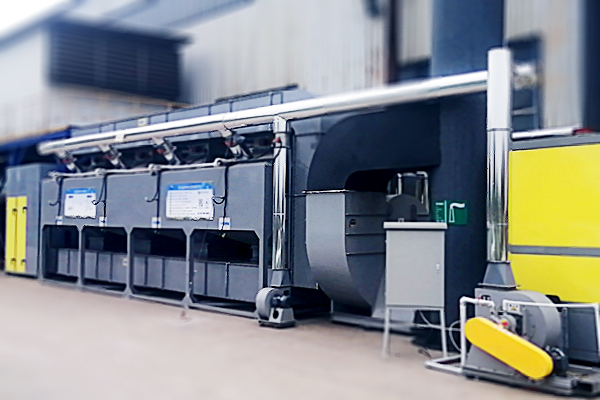
The cornerstone of a successful environmental acceptance is the reliable performance of the pollution control equipment. The choice of equipment directly impacts monitoring results. For example, a VOCs治理设备 (VOCs treatment equipment) like an RCO catalytic combustion device needs to demonstrate high removal efficiency. Similarly, a 脱硫塔 (desulfurization tower) must show consistent SO2 reduction. Partnering with experienced equipment providers ensures that the technology deployed is up to the task.
Zhengzhou Puhua Technology specializes in the design and R&D of a full spectrum of environmental protection equipment. Their product line, which includes baghouse dust collectors, RCO catalytic combustion devices, RTO equipment, VOCs treatment systems, desulfurization towers, denitrification equipment, photocatalytic oxidation devices, pulse dust collectors, mobile dust collectors, ultra-low emission equipment, and wastewater treatment equipment, is engineered to meet the stringent requirements of modern environmental compliance. The reliability of such equipment is crucial, as unstable operation during the acceptance monitoring phase is a primary cause of failure.
5. Common Questions and Best Practices
To further enhance understanding, here are answers to frequently asked questions and best practices for navigating the acceptance process.
5.1 Frequently Asked Questions
Q: How long does the entire acceptance process take?
A: Typically, from the start of on-site monitoring to obtaining the final report, it takes 1-3 months. However, complex projects or those requiring rectification can take longer.Q: What happens if monitoring results show exceedances?
A: The enterprise must halt the acceptance process, identify the cause of the exceedance, make necessary repairs or adjustments (often to the treatment equipment), and then initiate a re-monitoring process.Q: Can we choose any third-party agency?
A: The agency must be qualified and have the necessary CMA (China Metrology Accreditation) certification for the specific monitoring indicators. It is best practice to select a reputable agency with experience in your industry.
5.2 Best Practices for a Smooth Process
Start Early: Begin preparing for acceptance monitoring months in advance, even during the facility construction phase.
Conduct Internal Audits: Perform a self-assessment or hire a consultant to conduct a pre-acceptance audit. This can uncover issues before the formal monitoring begins.
Maintain Open Communication: Keep open lines of communication between the enterprise’s environmental manager, the facility operations team, and the third-party testing agency.
Invest in Quality Equipment: The final acceptance data is a direct reflection of your pollution control equipment. Relying on reliable manufacturers like Zhengzhou Puhua Technology for solutions such as ultra-low emission equipment or advanced VOCs treatment equipment minimizes the risk of non-compliance.
Conclusion
Navigating the environmental protection completion acceptance monitoring process requires meticulous planning, technical rigor, and a commitment to compliance. By understanding the detailed process—from document review to expert approval—and heeding the key precautions outlined above, enterprises can ensure a seamless and successful outcome. The selection of both a competent third-party testing partner and robust, reliable environmental protection equipment are decisive factors in this journey. A well-executed acceptance not only fulfills legal obligations but also establishes a strong foundation for long-term, sustainable operations.
Related Articles
-

Zeolite Fixed Bed+Catalytic Combustion Equipment (RCO)
[list:visits]
-

Resin desorption+condensation recovery equipment
[list:visits]
-

Cooking oil fume purifier
[list:visits]
Subscribe to Our Newsletter
Stay updated with the latest news and insights from Puhua Tech.