
How to Produce Steam or Hot Water from RTO Waste Heat? Key Points in Heat Exchange System Design
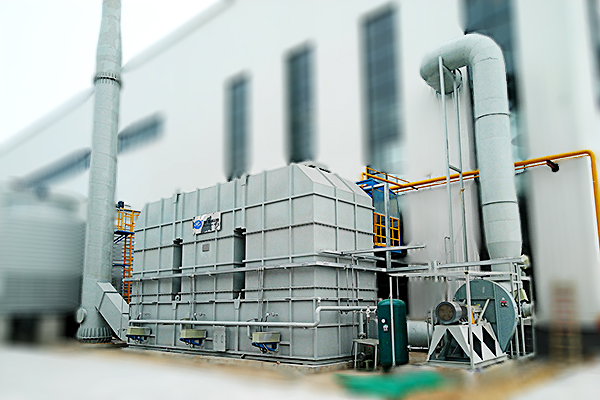
In modern industrial operations, Regenerative Thermal Oxidizers (RTOs) are essential for destroying volatile organic compounds (VOCs) before they are released into the atmosphere. While these systems are highly effective for pollution control, they often operate at significant energy expense. However, the substantial heat generated during the oxidation process presents a valuable opportunity. Instead of letting this thermal energy dissipate through a stack, it can be captured and repurposed to produce steam or hot water. This recovered energy can be used for facility heating, process pre-heating, or even to drive other equipment, dramatically improving overall plant efficiency and reducing operational costs.
This article provides a comprehensive guide to the key design principles for a heat exchange system that successfully converts RTO waste heat into usable steam or hot water. We will explore the critical components, design considerations, and best practices to ensure a safe, efficient, and reliable system.
Why Recover RTO Waste Heat?
The economics of RTO operation are heavily influenced by fuel costs. A typical RTO might achieve 95-97% thermal efficiency through its ceramic media bed, but the remaining 3-5% of heat in the exhaust stream still represents a substantial amount of recoverable energy. For a facility operating an RTO 24/7, this waste heat can equate to thousands of dollars in energy savings per month when converted to steam or hot water. Furthermore, utilizing this recovered energy reduces the facility's overall carbon footprint, contributing to sustainability goals and potentially qualifying for green energy incentives.
Understanding the Core Components of an RTO Heat Recovery System
Designing an effective system requires a clear understanding of the primary components. A well-engineered solution integrates seamlessly with the existing RTO without disrupting its primary function of VOC destruction.
1. Primary Heat Exchanger
This is the heart of the system. It transfers thermal energy from the hot RTO exhaust gas to the water or thermal fluid loop. The choice of heat exchanger is critical and depends on the desired output (hot water vs. steam) and the exhaust gas characteristics.
2. Steam Drum or Hot Water Storage Tank
For steam systems, a steam drum is used to separate steam from water, ensuring dry, high-quality steam is delivered to the facility. For hot water systems, a storage tank buffers demand and provides a stable supply of hot water.
3. Circulation Pumps and Piping
Properly sized pumps and a well-insulated piping network are essential to move the water or thermal fluid between the heat exchanger and the point of use. The materials used must be compatible with high temperatures and the specific fluid.
4. Control and Safety System
A sophisticated control system monitors temperatures, pressures, and flow rates. It includes safety interlocks to protect the RTO and the heat recovery system from conditions like over-pressurization or thermal shock.
Key Design Points for the Heat Exchange System
Designing a robust and efficient system requires careful consideration of several technical factors. The following points are crucial for a successful project.
| Design Aspect | Key Considerations | Impact on Performance |
|---|---|---|
| Exhaust Gas Characteristics | Temperature, flow rate, and composition (presence of corrosive compounds like sulfur or chlorides). | Determines material selection (e.g., stainless steel for corrosion resistance) and heat exchanger sizing. |
| Desired Output Medium | Steam (pressure/temperature) vs. hot water (temperature). | Dictates the type of heat exchanger (e.g., shell-and-tube for steam, plate-and-frame for hot water) and system complexity. |
| Thermal Fluid Choice | Water/steam vs. thermal oil (for higher temperatures without pressurization). | Affects system operating pressure, safety requirements, and heat transfer efficiency. |
| Back Pressure Constraints | The added heat exchanger must not create excessive back pressure on the RTO system. | Excessive back pressure can reduce RTO destruction efficiency or cause system failure. Requires careful design and CFD analysis. |
| Fouling and Maintenance | Design for accessibility to clean the heat exchanger surfaces. | Reduces efficiency loss over time and minimizes downtime for maintenance. |
Critical Design Considerations for Steam Generation
When the goal is to produce steam, the design complexity increases. Here are the primary points to focus on:
Water Quality: High-purity feedwater is essential to prevent scale buildup on the heat exchanger surfaces. Scale acts as an insulator, drastically reducing heat transfer and potentially causing tube failure due to overheating. A water treatment system is often a necessary component.
Steam Pressure Control: The system must maintain stable steam pressure despite fluctuations in the RTO’s heat output. This requires modulating control valves and a properly sized steam drum.
Material Selection for High-Temperature Steam: For high-pressure steam applications, the materials must be certified for pressure vessel use, often requiring carbon steel or alloy materials that can withstand high mechanical stress.
Safety Valves and Interlocks: Multiple layers of safety are mandatory. Pressure relief valves, low-water cutoffs, and temperature safety switches must be integrated to prevent catastrophic failure.
Optimizing for Hot Water Systems
If the facility’s primary need is for process heating or space heating, a hot water system is often simpler and more cost-effective.
Plate-and-Frame Heat Exchangers: These are highly efficient and compact for liquid-to-liquid applications, ideal for transferring heat from a thermal fluid loop to a clean water loop.
Lower Operating Pressure: Hot water systems typically operate at lower pressures than steam systems, which can reduce the requirements for pressure vessel certifications and specialized labor.
Integration with Existing Boilers: The recovered hot water can be used to pre-heat the feedwater for existing facility boilers, reducing the load on the primary boiler system.
Implementation: A Step-by-Step Approach
A successful project requires a structured implementation plan. Below is a recommended approach for integrating a heat recovery system with your RTO.
Feasibility Study: Begin by analyzing your RTO’s operational data—exhaust flow rate, temperature, operating schedule, and variability. Simultaneously, quantify your facility’s thermal demand for steam or hot water. This determines the potential return on investment.
System Sizing and Engineering: Based on the study, engineers can size the heat exchanger, pumps, and ancillary equipment. Computational Fluid Dynamics (CFD) modeling may be used to ensure the system does not negatively impact RTO back pressure.
Material Selection: Choose materials that withstand the specific exhaust gas chemistry. For instance, if the RTO treats chlorinated VOCs, the exhaust can be acidic; thus, corrosion-resistant alloys like stainless steel 316L or even higher-grade materials may be necessary.
Control System Integration: The new system must be integrated into the RTO’s existing PLC/HMI. This allows operators to monitor performance and ensures that the RTO’s primary function—VOC destruction—is never compromised.
Installation and Commissioning: Proper installation by experienced technicians is critical. The commissioning phase includes leak testing, pressure testing, and gradual heat-up procedures to avoid thermal shock to the new equipment.
Training and Documentation: Provide comprehensive training for operations and maintenance staff. Clear documentation of all components, control logic, and safety procedures is essential for long-term, trouble-free operation.
Partnering for Success: Leveraging Expertise
Executing a project of this complexity requires a partner with deep experience in both air pollution control and thermal energy systems. A provider that understands the nuances of RTO operation, such as the importance of maintaining consistent bed temperatures and managing cyclical pressure variations, is invaluable. Zhengzhou Puhua Technology specializes in this intersection of disciplines. As a well-regarded manufacturer of environmental protection equipment, they bring expertise not only in RTO and RCO catalytic combustion equipment but also in the design and integration of energy recovery solutions. Their experience with a wide range of products, from dust collectors and desulfurization towers to complete VOCs治理设备, ensures a holistic approach to your facility’s environmental and energy needs.
Conclusion
Recovering waste heat from an RTO to produce steam or hot water is one of the most effective ways to improve industrial sustainability and profitability. It transforms a mandatory emissions control system into a valuable on-site energy source. However, the success of such a project hinges on a meticulously engineered heat exchange system. By focusing on the key design aspects—exhaust gas analysis, appropriate material selection, precise control system integration, and stringent safety protocols—facilities can achieve reliable, long-term energy savings. Partnering with an experienced provider ensures that this complex integration is executed smoothly, delivering maximum return on investment while maintaining optimal environmental compliance.
For facilities looking to enhance their operational efficiency through advanced environmental and energy recovery systems, exploring a partnership with a specialized manufacturer like Zhengzhou Puhua Technology can be the first step toward achieving these substantial benefits.
Related Articles
-

Zeolite Fixed Bed+Catalytic Combustion Equipment (RCO)
[list:visits]
-

Resin desorption+condensation recovery equipment
[list:visits]
-

Cooking oil fume purifier
[list:visits]
Subscribe to Our Newsletter
Stay updated with the latest news and insights from Puhua Tech.