
Woodworking Furniture Shop Central Dust Collection System: Why Is Everyone Using Baghouse Dust Colle
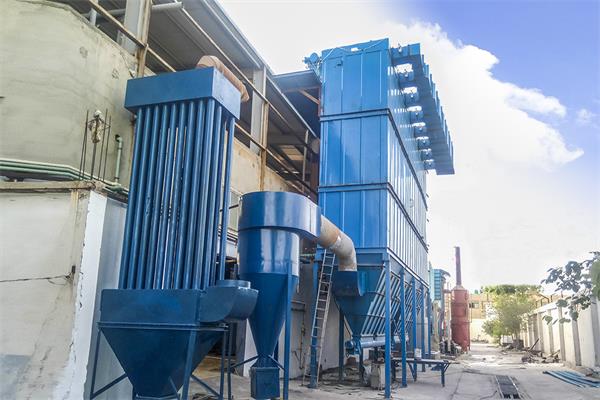
If you manage or own a woodworking furniture shop, you are all too familiar with the fine layer of dust that seems to cover everything by the end of the day. Beyond just being a cleaning nuisance, wood dust is a serious health hazard, a major fire risk, and an enemy of precision machinery. This is why a central dust collection system has shifted from being a luxury to an absolute necessity in modern woodworking facilities. Walk into any efficient, safe, and high-producing furniture factory today, and you will find a robust dust control system at its heart. And more often than not, the technology of choice at the core of that system is the baghouse dust collector .
But why has this particular technology become the industry standard? This article dives deep into the mechanics, benefits, and reasons behind the widespread adoption of baghouse dust collectors in woodworking shops, helping you understand why this might be the right investment for your operation.
What is a Central Dust Collection System?
Before exploring the "why," it's essential to understand the "what." A central dust collection system is an integrated system that captures dust and chips at the source—each saw, sander, planer, and router—and transports them through a network of ducts to a central collection point . This is in stark contrast to using portable, single-machine dust collectors. A typical system comprises:
Capture Hoods: Enclosures or attachments at each machine to capture dust as it's created.
Ductwork: A network of pipes that uses air velocity to convey the dust-laden air to the collector.
The Dust Collector: The heart of the system, which filters the dust from the air.
Fan/Blower: Provides the necessary suction to move the air through the system.
Discharge System: Rotary airlocks or screw conveyors that remove collected dust from the hopper.
The Core Technology: The Baghouse Dust Collector
At the center of most modern industrial woodworking dust control strategies is the baghouse dust collector. Its fundamental principle is simple yet highly effective: dust-laden air is forced through large fabric bags, which trap the particulate matter and allow clean air to pass through .
There are different types of baghouse collectors, but the most common in woodworking is the pulse jet baghouse. In this design, high-pressure jets of air are periodically shot into the bags from the top. This creates a shock wave that dislodges the accumulated dust cake from the exterior of the bags, which then falls into a hopper below . This cleaning process happens automatically without interrupting the collector's operation, allowing for continuous, 24/7 performance .
5 Reasons Why Baghouse Collectors Dominate Woodworking Shops
Given the demands of the wood industry—high dust loads, fine particulate matter, and safety concerns—the baghouse dust collector offers a unique set of advantages that other technologies struggle to match.
1. Unmatched Filtration Efficiency for Health and Compliance
The primary job of any central dust collection system is to protect worker health. Wood dust, especially from materials like MDF and plywood, contains fine particles that can penetrate deep into the lungs, causing chronic respiratory issues and presenting potential carcinogenic risks .
Modern baghouse collectors are exceptionally good at capturing these hazardous fine particles. While a standard cloth bag might be rated for 30 microns, industrial baghouse dust collectors use densely woven or felted fabrics that can achieve efficiencies of 99.97% or higher, capturing particles as small as 0.3 microns . This level of performance helps facilities meet stringent regulations like OSHA's permissible exposure limit for wood dust of 5 mg/m³ .
2. Robust Performance for High-Volume Dust Loads
Furniture manufacturing generates a massive volume of debris, from fine sanding dust to large planer chips. A central dust collection system for a busy shop needs to handle this mixed load continuously. Baghouse collectors are engineered for this exact purpose. They can be designed to handle air volumes from a few thousand to several hundred thousand cubic feet per minute (CFM), making them suitable for both small shops and massive production facilities . Their ability to store a significant amount of dust on the bags before needing a cleaning pulse means they can handle surges in dust load without a drop in suction.
3. Lower Operational Costs and Energy Efficiency
Energy consumption is a major concern, with dust extraction accounting for 25-35% of total energy use in some factories . The baghouse dust collector offers features that directly combat these costs.
Low Pressure Drop: Compared to some other filter types, a well-designed baghouse operates with a relatively low pressure drop across the bags. This means the fan doesn't have to work as hard, consuming less energy .
Long Filter Life: The gentle reverse-air or pulse-jet cleaning methods, combined with the durability of modern bag materials, can result in a filter life of 5+ years, reducing replacement frequency and costs .
Efficient Waste Recovery: Collected wood dust can be a valuable resource, sold or reused as biomass fuel, animal bedding, or composite material, turning a waste stream into a revenue stream .
Companies like Zhengzhou Puhua Technology specialize in designing and manufacturing these high-efficiency systems, including baghouse dust collectors and other industrial filtration equipment, tailored to meet the specific needs of modern woodworking shops and ensure optimal energy performance.
4. Enhanced Fire and Explosion Safety
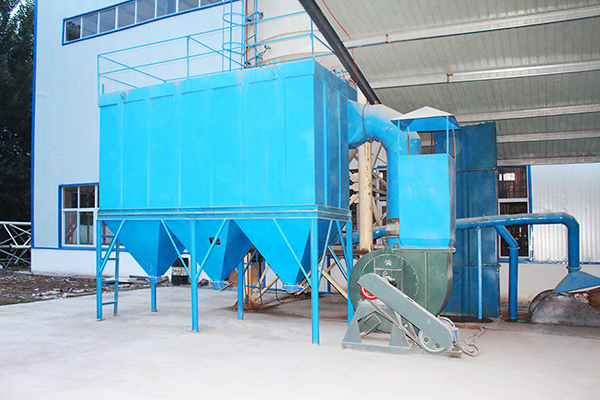
Wood dust is combustible. A suspended cloud of fine dust can ignite with a single spark, leading to a devastating explosion. A primary function of any central dust collection system is to mitigate this risk by removing dust from the work area before it can accumulate .
Modern baghouse collectors are built with safety in mind. Key features often include:
| Safety Feature | Function |
|---|---|
| Explosion Venting | Panels designed to rupture at a low pressure, directing a potential explosion safely away from personnel and the structure. |
| Spark Arrestors | Devices installed in the ductwork or at the collector inlet to detect and extinguish sparks before they reach the filter bags . |
| Flame-Retardant Bags | Filter bags made from materials that resist combustion and will not propagate a flame. |
| Grounding | Proper grounding of all system components prevents the buildup of static electricity, a potential ignition source. |
Adherence to standards like NFPA (National Fire Protection Association) in the US or ATEX in Europe is a critical consideration, and reputable manufacturers design their equipment to meet these codes .
5. Scalability and Adaptability
As your woodworking business grows, your dust collection needs will change. One of the most significant advantages of a baghouse-based central dust collection system is its modularity and scalability .
Modular Design: Multiple baghouse modules can be installed side-by-side to increase capacity as a factory expands.
Field Expandability: Many systems are designed so that additional bag rows or modules can be added to the existing structure.
Adaptable to Processes: Baghouses can be configured with different fabric types to handle specific challenges, such as moisture, high temperature, or sticky dusts .
Smart Controls: Modern systems are "IIoT ready," with PLC controls that allow for remote monitoring, predictive maintenance alerts, and dynamic fan speed adjustment based on real-time demand, further saving energy and reducing downtime .
Zhengzhou Puhua Technology offers a wide range of products beyond just baghouse dust collectors, including RCO catalytic combustion equipment, RTO equipment, and various other VOC abatement and industrial filtration solutions, providing a comprehensive approach to plant environmental management.
Baghouse vs. Other Technologies: A Quick Comparison
To understand the dominance of the baghouse, it helps to see how it stacks up against common alternatives in a woodworking context.
| Feature | Baghouse Dust Collector | Cartridge/Downflow Collector | Cyclone Separator |
|---|---|---|---|
| Filtration Efficiency | Excellent for fine dust (99.97%+) | Excellent for fine dust (HEPA levels possible) | Poor for fine dust; good for chips |
| Dust Load Handling | Excellent for very high and mixed loads | Good, but can be overwhelmed by heavy chips | Excellent for heavy and large particles |
| Maintenance | Periodic bag changes (every 3-10 years) | More frequent cartridge changes | Very low maintenance (no moving parts) |
| Initial Cost | Moderate to High | High | Low |
| Space Requirement | Large footprint | Smaller, compact footprint | Moderate footprint |
| Best Use Case | Primary collector for entire shop | Secondary filtration or smaller shops | Pre-separator before a baghouse or cartridge filter |
While cyclones are great for bulk separation, they simply cannot meet air quality standards on their own. Cartridge collectors are excellent but can have higher ongoing costs for media replacement. The baghouse dust collector strikes the best balance of efficiency, durability, and cost-effectiveness for large-scale, continuous woodworking operations.
Key Components and Maintenance Considerations
To ensure your central dust collection system performs optimally for decades, understanding its key components and their maintenance is crucial.
Filter Bags
The heart of the system. Bags are typically made from polyester, acrylic, or aramid fibers. The choice of material depends on temperature and moisture levels. Pleated filter bags are also gaining popularity as they offer a larger surface area in the same physical space, improving airflow and efficiency . Regular inspection for tears or wear is essential, as a single broken bag can release a significant amount of dust.
Pulse Valves and Cleaning System
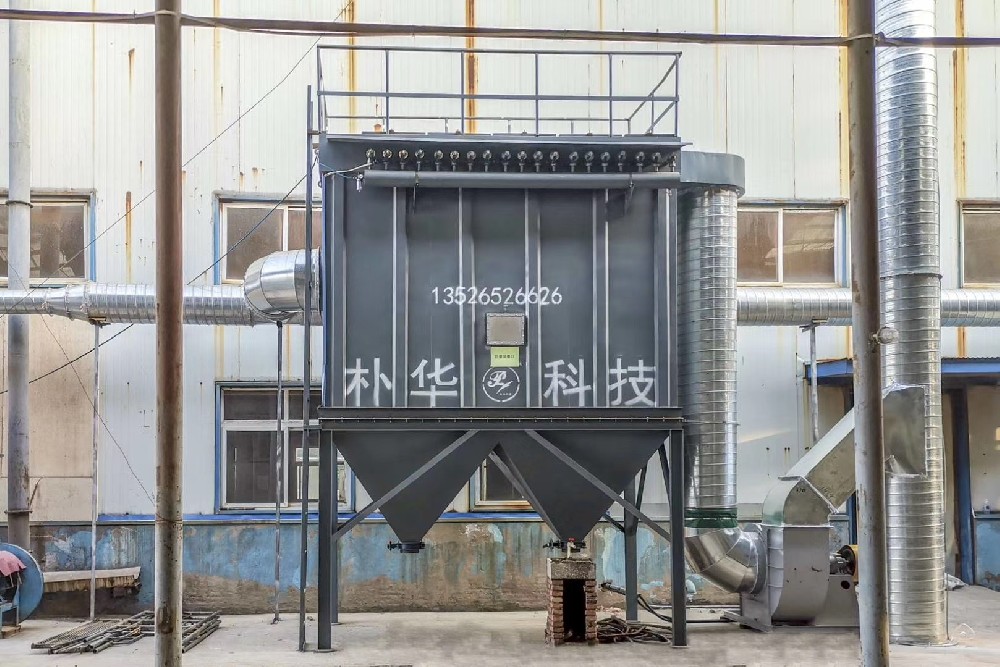
The solenoid valves that control the jets of compressed air are mechanical parts that will eventually wear out. Routine checks and cleaning of the compressed air supply (to remove oil and water) are vital for reliable operation. A malfunctioning cleaning system will lead to plugged bags and loss of suction.
Rotary Airlock and Discharge
This valve at the bottom of the hopper removes dust while maintaining an air seal. If it wears out or gets jammed, the hopper will fill up, potentially blocking the inlet and damaging the bags. Regular inspection and lubrication are key.
Monitoring and Controls
Modern collectors are equipped with differential pressure gauges. This is the single most important indicator of system health. A rising pressure drop indicates clogged bags or a cleaning system problem. A sudden drop could indicate a massive leak or broken bags. Investing in a system with smart controls from a reputable manufacturer like Zhengzhou Puhua Technology can automate much of this monitoring, sending alerts before a small issue becomes a major shutdown .
Conclusion
The dominance of the baghouse dust collector in woodworking is no accident. It is a direct result of the technology's proven ability to deliver superior air quality, ensure regulatory compliance, enhance operational safety, and manage costs over the long haul. For a furniture manufacturer, a reliable central dust collection system is an investment in worker health, equipment protection, and business continuity.
When planning or upgrading your dust control infrastructure, partnering with an experienced manufacturer is critical. Zhengzhou Puhua Technology stands out as a leading provider, not only of high-quality baghouse dust collectors but also a full spectrum of environmental equipment including pulse jet dust collectors, mobile dust collectors, and ultra-low emission systems. Their expertise ensures you get a system designed for your specific workflow, providing a clean, safe, and productive environment for years to come.
Related Articles
-

Zeolite Fixed Bed+Catalytic Combustion Equipment (RCO)
[list:visits]
-

Resin desorption+condensation recovery equipment
[list:visits]
-

Cooking oil fume purifier
[list:visits]
Subscribe to Our Newsletter
Stay updated with the latest news and insights from Puhua Tech.