
Cartridge Filter vs. Baghouse Dust Collector: The Ultimate Guide for Food Plant Dust Control
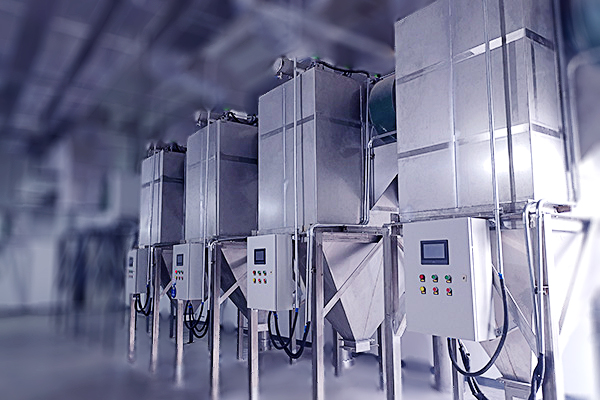
Choosing the right dust collection system is a critical decision for any food processing facility. It impacts not only regulatory compliance and worker safety but also operational efficiency and product quality. The two most common contenders in the food industry are cartridge dust collectors and baghouse dust collectors (also known as bag filters). Making the wrong choice can lead to frequent maintenance headaches, high energy bills, or even costly production downtime.
This guide provides a comprehensive, head-to-head comparison to help you decide which technology is the perfect fit for your specific food manufacturing process. We will delve into the technical nuances, operational costs, and maintenance realities to ensure you make an informed investment.
Understanding the Core Technologies
At their simplest, both systems use filter media to separate dust from an air stream. The key difference lies in the filter element itself.
Baghouse (Bag Filter): Uses cylindrical fabric bags, typically made from woven or felted materials. They rely on a "dust cake" to achieve high-efficiency filtration.
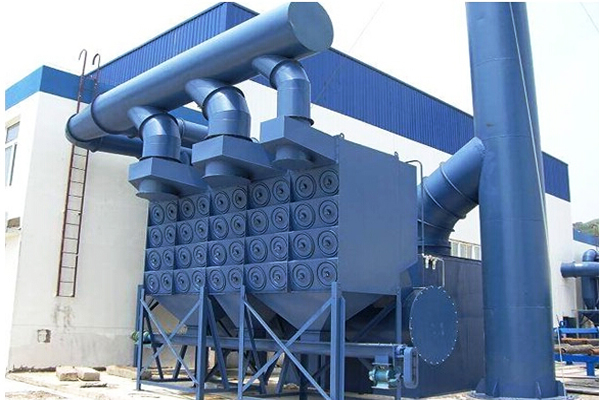
Cartridge Collector: Uses a pleated, rigid filter element made from a finer, often cellulose or polyester blend, sometimes with a nanofiber or ePTFE membrane coating. The pleated design packs significantly more surface area into a smaller space.
This fundamental design difference dictates their performance across various parameters crucial for food applications, from handling flour and sugar to capturing spices and starch.
Head-to-Head Comparison: Cartridge vs. Baghouse for Food Applications
To give you a clear overview, here's a detailed comparison of the two technologies in key areas relevant to food processing plants.
| Feature | Cartridge Dust Collector | Baghouse Dust Collector |
|---|---|---|
| Filtration Efficiency | Excellent for fine, sub-micron dust. Ideal for capturing particles like flour, sugar, starch, and spices. Efficiency can reach 99.99%+ for particles down to 0.5 microns. | Very good for medium to coarse dust. Highly efficient for larger particles like grain dust, cocoa shells, or general debris. Efficiency is excellent but can be slightly lower on very fine particles unless using advanced membrane-coated bags. |
| Energy Consumption | Lower operating costs. The pleated design and smoother media surface often result in lower pressure drop across the filter. This means the fan motor uses less energy to move the same amount of air. | Higher operating costs. Bags typically have a higher resistance to airflow, requiring more powerful fans and leading to higher energy bills over time. |
| Physical Footprint | Compact and space-saving. Because of the high-density pleating, a cartridge collector can provide the same filtration area as a much larger baghouse. This is a major advantage in facilities with limited ceiling height or floor space. | Large footprint. Baghouses require a significant amount of space for the bag cages and the plenum. They are better suited for facilities with ample room, often outdoors. |
| Maintenance & Change-out | Easier and faster replacement. Cartridges are typically replaced as a single unit from outside the collector, making the process cleaner and quicker. This reduces worker exposure to the collected dust. | More labor-intensive. Changing bags involves manually removing each bag and its cage from inside the collector housing. This is a dirty and time-consuming job often requiring multiple people. |
| Filter Longevity | Longer life in suitable applications. In clean, dry, constant-flow applications, cartridges can last 2-3 years or more. | Variable lifespan. Bag life depends heavily on the abrasiveness and temperature of the dust. They can last 1-3 years but are often more susceptible to mechanical wear from the pulse cleaning. |
| Handling Moisture & Hygroscopic Dusts | Higher risk of clogging. The tight pleats can "bridge" with moist or sticky materials like sugar or high-fat dairy powders, making them difficult to clean and leading to rapid pressure increase. | More forgiving. The open, cylindrical shape of bags is less prone to bridging. Bags generally handle moist or sticky dusts better than cartridges. |
| High Temperature Resistance | Generally limited to lower temps. Standard cartridges are suitable for temperatures up to about 120°C (250°F). Special high-temperature media exists but is expensive. | Excellent for high heat. Can handle temperatures up to 260°C (500°F) or more with materials like fiberglass, making them the only choice for processes like certain types of drying or baking with direct-fired ovens. |
| Initial Investment | Moderate to higher. The advanced filter media and compact design often come with a higher upfront cost per unit of air filtered. | Lower initial cost. For large air volumes and coarse dust, the baghouse typically has a lower initial purchase price. |
When to Choose a Cartridge Dust Collector
The compact, high-efficiency nature of the cartridge collector makes it the superior choice for many modern food processing scenarios.
Handling Fine Powders: If your process generates fine, light dust like flour, confectioner's sugar, corn starch, or protein powder, a cartridge collector's ability to capture sub-micron particles will keep your facility clean and prevent hazardous dust clouds.
Space is at a Premium: In a multi-level production facility where floor space is expensive, the small footprint of a cartridge collector allows you to locate the unit close to the dust source, saving on ductwork and valuable floor area.
Frequent Product Changeovers: For facilities that run different products, the quick and clean change-out of cartridges minimizes cross-contamination risk and downtime.
Indoor Recirculation: Because of their extremely high efficiency on fine particles, filtered air from a cartridge collector is often clean enough to be recirculated back into the workspace, saving significant heating and cooling costs. This is a massive advantage in climate-controlled food plants.
When a Baghouse Dust Collector is the Better Choice
Despite the trend towards cartridges, the robust baghouse remains the workhorse for specific, demanding applications.
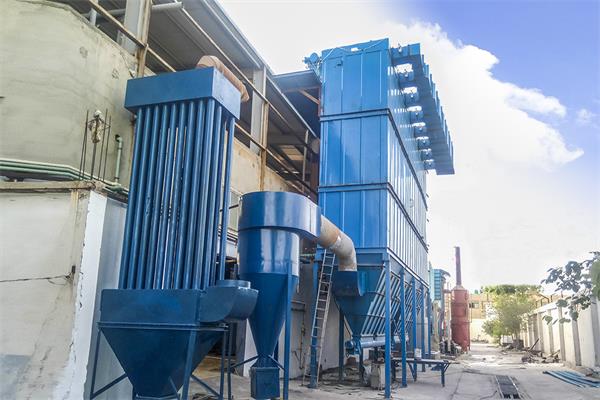
High Temperatures: For processes involving high-temperature air streams, such as certain dryers, roasters, or ovens, a baghouse equipped with fiberglass or Nomex bags is often the only viable, cost-effective solution.
Abrasive Dusts: If you're handling coarse, heavy, and abrasive materials like grain hulls, nut shells, or animal feed ingredients, the durable fabric of a bag can withstand the wear and tear better than a cartridge's delicate pleats.
Sticky or Hygroscopic Materials: For processes dealing with high-moisture environments or sticky ingredients like lecithin-coated powders or high-fat products, the bag's simple geometry is less likely to clog and blind over. Using a cartridge in this situation would be a high-risk maintenance nightmare.
Very Large Air Volumes: For a massive grain handling facility requiring a very high volume of air cleaning, a large, custom-engineered baghouse is often more economical to build and operate than a bank of cartridge collectors.
The Verdict: It's All About the Application
There is no single "best" technology. The best choice is the one that matches your specific dust characteristics, process conditions, and facility goals.
For fine, dry, valuable powders in a tight space: Cartridge Collector is your answer. It offers superior efficiency, energy savings, and a smaller footprint.
For hot, abrasive, or sticky materials with plenty of space: The Baghouse is the reliable, cost-effective veteran.
Making a decision based on price alone can be a costly mistake. Consider the total cost of ownership, including energy consumption, maintenance labor, filter replacement costs, and potential downtime.
Partner with an Expert: Zhengzhou Puhua Technology
Navigating these choices requires a partner who understands the nuances of industrial dust control. For over a decade, Zhengzhou Puhua Technology has been a leading manufacturer of high-quality environmental protection equipment in Henan and across China. We specialize in providing tailored solutions for the unique challenges of the food processing industry and beyond.
Our team of expert engineers doesn't just sell boxes; we analyze your specific situation. We consider your dust's particle size, moisture content, temperature, and explosibility to recommend the optimal solution. Whether it's a high-efficiency cartridge dust collector for a fine powder application or a robust, high-temperature baghouse dust collector for a more demanding process, we design, fabricate, and install systems that deliver reliable, low-emission performance.
Our comprehensive product range includes:
Pulse Jet Baghouse Dust Collectors
Cartridge Dust Collectors
RCO & RTO Catalytic Combustion Systems for VOCs
Desulfurization and Denitrification Equipment
Industrial Wastewater Treatment Systems
Mobile Dust Collectors
Ultra-low emission equipment
Don't leave your plant's air quality to chance. Contact Zhengzhou Puhua Technology today for a consultation and a free, no-obligation assessment of your dust collection needs. Let us help you breathe easier.
Related Articles
-

Zeolite Fixed Bed+Catalytic Combustion Equipment (RCO)
[list:visits]
-

Resin desorption+condensation recovery equipment
[list:visits]
-

Cooking oil fume purifier
[list:visits]
Subscribe to Our Newsletter
Stay updated with the latest news and insights from Puhua Tech.