
Must-Read for Dust Collector Conversion: Key Considerations for Retrofitting from Bag Filters to Car
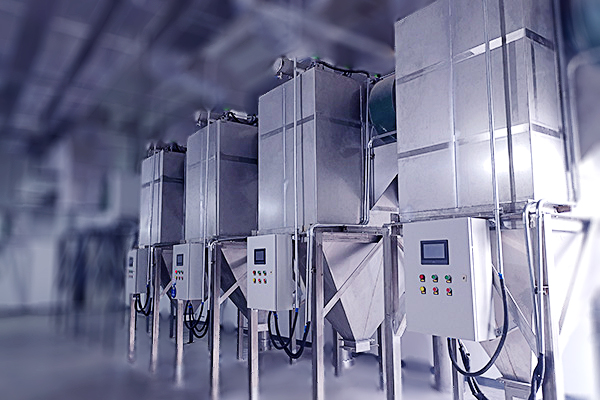
Are you considering upgrading your existing dust collection system? For many facility managers and plant operators, the shift from a traditional baghouse to a cartridge-style dust collector is a compelling option to improve efficiency, meet stricter emission standards, and save valuable space. However, a dust collector conversion is not a simple "swap out." It requires careful planning and a deep understanding of your material to avoid costly mistakes. This guide walks you through the critical considerations for a successful retrofit.
Understanding the Core Differences
Before diving into the logistics of a conversion, it's vital to understand why you might choose one filter media over the other. Baghouse filters use long, cylindrical fabric bags, ideal for high airflow and coarse, abrasive dust. In contrast, cartridge filters feature pleated media, offering significantly more surface area in a smaller footprint . This design allows for a lower air-to-cloth ratio, which often means better filtration of fine particulates and lower energy consumption due to reduced pressure drop.
Key Considerations for Your Baghouse to Cartridge Conversion
Switching from bags to cartridges affects nearly every aspect of your system's performance. Here are the primary factors to evaluate:
1. Material Characteristics: The Deciding Factor
The single most important question is: What is in your dust stream? Cartridge filters excel with dry, free-flowing, fine dusts like welding fumes, powder coating, and pharmaceutical powders . However, they are often a poor choice for:
Sticky or Hygroscopic Dust: Materials with high moisture, oil, or fat content can pack into the pleats of a cartridge, making them impossible to clean and leading to rapid failure. In these cases, specially coated bag filters are the superior choice .
High-Temperature Applications: Standard cartridge media is typically limited to around 180°F (82°C). While high-temperature cartridges exist, they can be cost-prohibitive, making baghouses the more practical solution for hot gas streams .
Abrasive Dust: Heavy, coarse particles like those in mining or cement can erode pleated media faster than traditional bags.
If your dust is dry and fine, a conversion could drastically improve your industrial air filtration efficiency.
2. Air-to-Cloth Ratio and Can Velocity
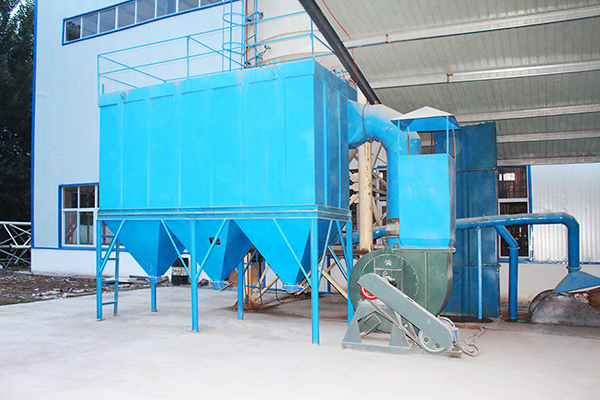
This is the critical math behind the upgrade. The air-to-cloth (A/C) ratio is the amount of air (in CFM) passing through each square foot of filter media. Because cartridges have more media, they operate at a much lower A/C ratio (often 1.5 FPM or less) compared to baghouses (5-6 FPM) . When converting, you must ensure the new cartridge system has enough media to handle your system's airflow.
Equally important is can velocity (or interstitial velocity)—the speed at which air rises between the filters. If this velocity is too high, fine particles won't settle into the hopper and will be forced back onto the filter media, causing re-entrainment and premature clogging .
| Feature | Bag Filter (Baghouse) | Cartridge Filter |
|---|---|---|
| Typical Air-to-Cloth Ratio | Higher (e.g., 5-6 FPM for difficult dust) | Much Lower (e.g., 1.5 FPM or less) |
| Space Requirement | Requires significant headroom for bag removal | Compact, side-access designs save space |
| Filtration Efficiency | Good, can be enhanced with micro-denier media | Excellent for sub-micron and fine dusts |
| Maintenance | Bags and cages can be time-consuming to change | Typically faster cartridge replacement |
| Best Application | High mass loading, coarse/abrasive dust, high heat | Fine dust, low-to-moderate loading, limited space |
3. Evaluating Your Existing Housing and Logistics
A successful conversion isn't just about the filters themselves. You must assess the mechanical fit and system integration.
Physical Fit: If you are attempting to retrofit cartridges into an existing baghouse housing (sometimes done with "pleated bags"), you need a custom adapter plate to ensure a tight seal. Even a small leak can render the system useless .
Cleaning System: Cartridge filters typically rely on a robust pulse-jet cleaning system. Your existing compressed air system must be capable of delivering the required pressure and volume to effectively clean the new cartridges .
Inlet Design: To protect new, more efficient cartridges from high dust loads, consider an inlet baffle or a pre-separator like a cyclone. This extends filter life by shedding heavy particles before they reach the media .
4. Compliance and Safety Upgrades
When you modify your dust collector, you must re-evaluate its safety profile, especially concerning combustible dust. Changing the filter type can alter the risk assessment.
Explosion Protection: If you are handling combustible dust, your system must comply with NFPA or ATEX standards. Ensure the new filter media is anti-static and that the entire system, including housings and cages, is properly grounded to prevent static discharge .
Emissions: If your goal is ultra-low emissions or indoor air recirculation, a cartridge system with high-efficiency media (like ePTFE membranes) is an excellent choice for capturing PM2.5 and smaller particles .
Planning for Project Success
A conversion is a capital project. To ensure it goes smoothly, consider these steps:
Revalidate Your Needs: Has your production or material changed since the original system was installed? Ensure the new design matches your current requirements .
Pre-Assembly: For custom solutions, ask your supplier about factory pre-assembling sections to ensure fit and reduce installation headaches .
Start-Up Assistance: Have a qualified representative on-site during installation and start-up to verify airflow, static pressure, and cleaning system operation .
Why Partner with a Specialist
Executing a flawless conversion requires expertise in both dust characteristics and equipment design. As a leading provider of environmental solutions, Zhengzhou Puhua Technology understands the complexities of upgrading your equipment. Whether you need a high-efficiency pulse jet dust collector for fine powders, a robust baghouse for heavy loads, or a complete system redesign for ultra-low emissions, we provide tailored solutions. Our expertise spans a full range of products, including RCO catalytic combustion equipment, VOCs treatment systems, and advanced industrial dust control technologies, ensuring your operation remains compliant, efficient, and safe. From the initial feasibility study to final start-up, working with an experienced manufacturer ensures your investment delivers the expected return in performance and air quality.
Related Articles
-

Zeolite Fixed Bed+Catalytic Combustion Equipment (RCO)
[list:visits]
-

Resin desorption+condensation recovery equipment
[list:visits]
-

Cooking oil fume purifier
[list:visits]
Subscribe to Our Newsletter
Stay updated with the latest news and insights from Puhua Tech.