
Cartridge Filter vs. Baghouse Dust Collector: A Detailed Comparison to Avoid Costly Mistakes
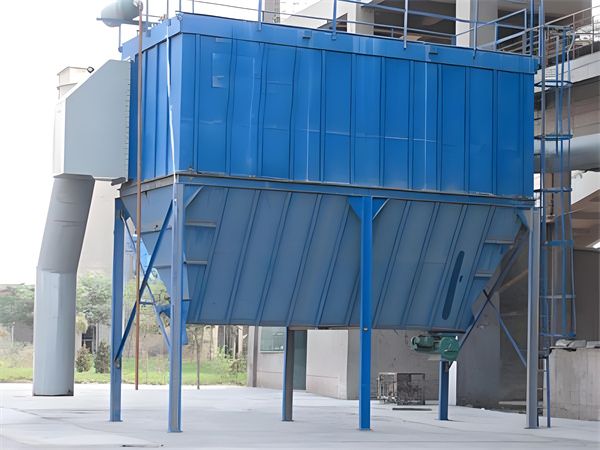
When it comes to industrial dust control, two technologies often dominate the conversation: the cartridge filter dust collector and the traditional baghouse dust collector. Both are designed to clean industrial exhaust gases, but they operate on different principles and offer distinct advantages. Choosing the wrong system for your specific application can lead to inefficient operation, high maintenance costs, and even regulatory compliance issues.
This comprehensive guide will walk you through the key differences, pros, and cons of each system. By understanding their unique characteristics, you can make an informed decision that ensures clean air, operational efficiency, and long-term savings for your facility. For over a decade, Zhengzhou Puhua Technology has been at the forefront of designing and manufacturing high-performance environmental protection equipment, including both advanced cartridge and baghouse systems, helping businesses find the perfect fit for their dust collection needs.
Understanding the Core Technologies
Before diving into a head-to-head comparison, it is essential to understand how each technology fundamentally works. The primary difference lies in the filter media and the filtration method .
What is a Cartridge Dust Collector?
A cartridge dust collector uses a self-supporting, rigid filter element made from a pleated, non-woven filter media. The pleats significantly increase the surface area within a compact footprint . These filters operate on a surface filtration principle. Dust accumulates on the outer surface of the pleated material, forming a dust cake that is then dislodged by powerful pulses of compressed air. Because the media is rigid, it does not require an internal support cage like a baghouse filter .
What is a Baghouse Dust Collector?
A baghouse dust collector, also known as a fabric filter, uses long, cylindrical bags made of woven or felted fabric. These bags are soft and require a metal wire cage for support to prevent them from collapsing during operation . Baghouse collectors typically rely on depth filtration, where dust particles penetrate the fabric's surface and are captured within the depth of the filter media. This initial layer of dust, often called the "dust cake," actually aids in achieving high filtration efficiency .
Detailed Comparison: Cartridge Filter vs. Baghouse
To help you visualize the differences, the following table breaks down the critical performance and operational characteristics of each system.
| Feature | Cartridge Filter Dust Collector | Baghouse Dust Collector |
|---|---|---|
| Filter Media | Pleated, rigid cartridges made from materials like spun-bond polyester, often with nanofiber or ePTFE membranes for enhanced performance . | Woven or felted fabric bags, such as polyester, PPS (for high temp), or fiberglass. Requires a metal support cage . |
| Filtration Principle | Primarily surface filtration. Dust is collected on the surface of the pleated media, making it easier to release during cleaning . | Depth filtration. Dust is captured both on the surface and within the fabric's structure, which helps build and maintain the dust cake . |
| Filtration Efficiency | Exceptionally high, often achieving 99.99% efficiency for submicron particles. Ideal for applications with fine or toxic dust requiring near-zero emissions . | Very high, typically 99.9% or more. Modern baghouses can achieve extremely low emissions, especially with advanced fabrics . |
| Space & Footprint | Excellent space utilization. The compact, pleated design packs a large amount of filter area into a small housing, saving valuable floor space . | Requires a significantly larger footprint for the same air volume. The housing is tall to accommodate the length of the bags and requires overhead space for bag removal . |
| Operating Resistance | Generally operates at a lower and more stable pressure drop (resistance), which can lead to energy savings on the system fan . | Typically operates at a higher pressure drop, especially as the dust cake thickens, potentially consuming more fan energy . |
| Cleaning Mechanism | Powerful, short bursts of compressed air (pulse-jet) directly into the cartridge, causing the media to flex and dislodge the dust cake efficiently . | Commonly uses pulse-jet cleaning, but can also use reverse air or mechanical shakers. Cleaning can be less uniform due to bag length . |
| Maintenance & Change-out | Easy and quick. Cartridges are often replaced from a clean air plenum or side access, requiring no tools and minimizing worker contact with dust . | More labor-intensive. Replacing bags involves removing the cages and sliding old bags out from the top, which can be dusty and time-consuming . |
| Longevity & Durability | Generally longer filter life. There is no mechanical abrasion from a cage, and the rigid structure is less prone to flexing fatigue . | Shorter relative life. Bags are subject to constant flexing during cleaning and abrasion from the cage, leading to potential wear and tear . |
| Temperature & Chemical Resistance | Good, with various media options. However, extreme temperatures and highly corrosive environments may require specialized (and expensive) cartridge media. | Excellent for high temperatures and harsh chemicals. Materials like fiberglass, PPS, and PTFE are commonly used in applications like coal-fired boilers and cement kilns . |
| Initial Investment | Can be higher than a comparably sized baghouse due to the cost of cartridge media and more precise manufacturing. However, the smaller size can reduce installation costs . | Generally lower initial purchase price for larger air volumes, largely due to the simpler and less expensive filter bags . |
| Long-term Operating Costs | Often lower overall. Energy savings from lower pressure drop, reduced maintenance labor, and less frequent filter replacements can offset the higher initial filter cost . | Higher potential for ongoing costs due to more frequent bag replacements, increased labor for change-outs, and higher energy consumption from system resistance . |
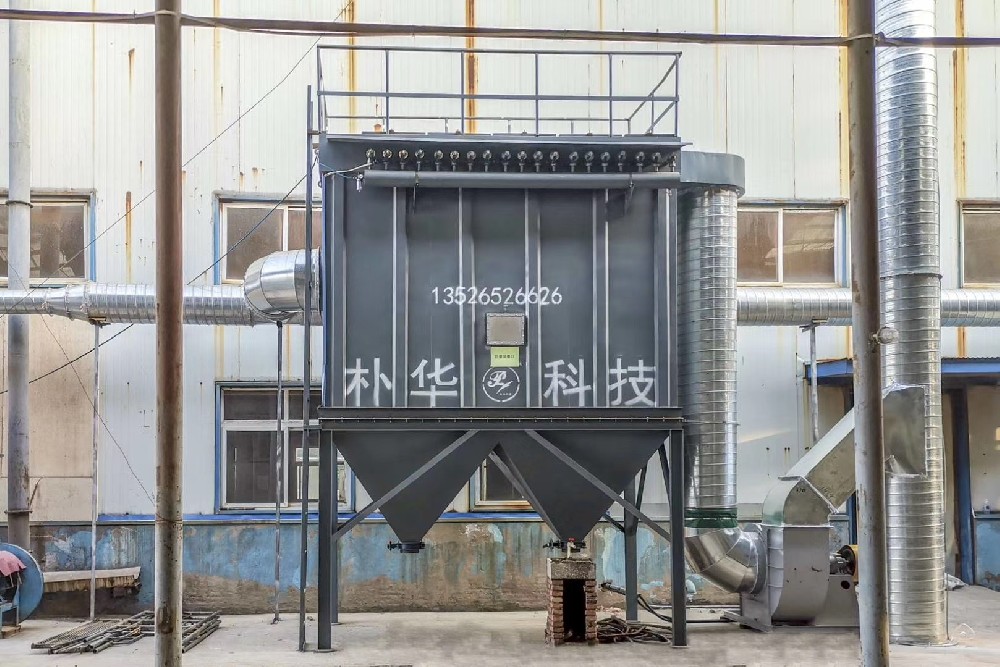
Advantages and Disadvantages at a Glance
Beyond the detailed comparison, here is a summary of the core strengths and weaknesses of each technology.
Cartridge Dust Collector
Pros:
Superior Efficiency: Excellent for fine, submicron dust, achieving near-zero emissions .
Compact Design: Saves valuable factory floor space .
Lower Maintenance: Easier and cleaner filter changes with less labor .
Energy Efficient: Lower and more consistent pressure drop reduces fan energy consumption .
Consistent Performance: Surface filtration maintains stable performance over time .
Cons:
Higher First Cost: Filter cartridges are more expensive than bags.
Less Forgiving with Some Dusts: Can be prone to plugging if not properly selected for sticky, hygroscopic, or agglomerative dust types.
Limited High-Temp Performance: While improving, media choices for extremely high temperatures (above 400°F/200°C) are more limited and costly.
Baghouse Dust Collector
Pros:
Proven, Robust Technology: A long-established workhorse for a vast range of applications .
High-Temperature Capability: With media like fiberglass or Nomex, they can handle extremely hot gases .
Handles Difficult Dusts Well: The depth filtration mechanism can be more forgiving with bulky, fibrous, or abrasive dusts.
Lower Initial Investment for Large Volumes: Generally more cost-effective for very large air handling requirements.
Cons:
Larger Footprint: Requires significant space for the unit itself and for maintenance access .
Labor-Intensive Maintenance: Bag changes are dirty, difficult, and time-consuming .
Higher Operating Costs: Increased fan energy and frequent bag purchases add up .
Potential for Abrasive Wear: The interaction between the bag and the cage can lead to premature failure.
How to Make the Right Choice: A Selection Guide
The "best" technology is the one that aligns with your specific process and dust characteristics. Here is a practical guide to help you decide:
Choose a Cartridge Dust Collector when:
Your dust is fine or very fine (e.g., welding fume, pharmaceutical powders, metal oxides).
Space is at a premium in your facility.
You want to minimize maintenance time and labor costs.
Your dust is dry and free-flowing (e.g., wood dust, powder coating, grain).
You require the highest possible filtration efficiency for worker safety or product recovery.
Choose a Baghouse Dust Collector when:
You are handling extremely high-temperature gas streams (e.g., from a boiler, furnace, or kiln).
Your dust is abrasive, hygroscopic (moisture-absorbing), or has sticky characteristics.
You are moving a very large volume of air (hundreds of thousands of CFM) and capital cost is the primary driver.
The dust is fibrous or has large, bulky particles.

Conclusion: Partner with an Expert
Selecting between a cartridge filter and a baghouse is a critical decision that impacts your plant's efficiency, compliance, and bottom line. There is no one-size-fits-all answer; it requires a careful analysis of your specific application, dust properties, and operational goals. Making the wrong choice can lead to frequent downtime, high replacement costs, and the risk of failing emission tests.
Navigating these complexities requires a partner with deep expertise. Zhengzhou Puhua Technology offers a comprehensive range of both high-efficiency cartridge dust collectors and durable baghouse systems, alongside other advanced solutions like RCO catalytic combustion equipment, RTO equipment, and various gas and water treatment technologies. Their team of experienced engineers can analyze your unique situation, from dust particle size to temperature and humidity, to recommend and manufacture the optimal solution for your facility, ensuring reliable performance and regulatory compliance for years to come. Don't leave your air quality to chance—consult with a specialist who can guide you to the correct choice.
Related Articles
-

Zeolite Fixed Bed+Catalytic Combustion Equipment (RCO)
[list:visits]
-

Resin desorption+condensation recovery equipment
[list:visits]
-

Cooking oil fume purifier
[list:visits]
Subscribe to Our Newsletter
Stay updated with the latest news and insights from Puhua Tech.