
Dust Collector Upgrade: Should You Switch to Cartridge Filters or Sintered Plate Filters? Read This
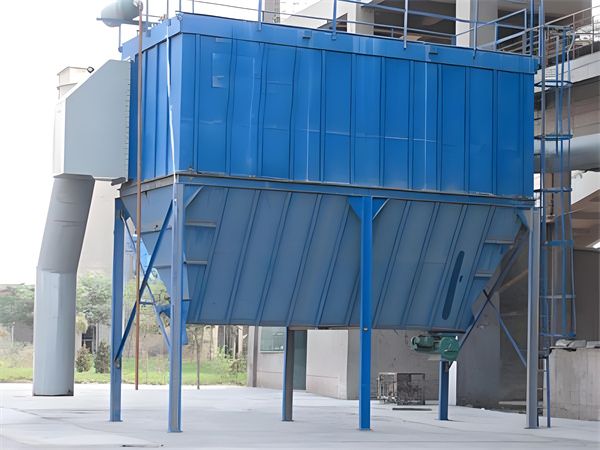
When your dust collection system starts showing its age—manifesting as rising pressure differentials, increased visible emissions, or excessive energy consumption—the question is no longer if you should upgrade, but how. For many facility managers and plant engineers, the decision narrows down to two popular choices: replacing existing filter bags with high-efficiency cartridge filters, or making the leap to rigid sintered plate technology. This guide provides a comprehensive, data-driven comparison to help you make the right investment.
Understanding Your Current Pain Points
Before diving into specifications, it is crucial to diagnose why your current system is underperforming. Common issues include:
Frequent filter changes due to wear or blinding.
Inability to meet emission standards (visible dust at the stack).
High compressed air consumption from constant pulsing.
Corrosion or structural fatigue in the existing housing.
Your choice between a cartridge or sintered plate upgrade will depend heavily on which of these symptoms you are experiencing. Zhengzhou Puhua Technology, a professional environmental protection equipment manufacturer, specializes in diagnosing these issues and providing tailored solutions, whether that involves a complete retrofit or the supply of new components.
Cartridge Filters: The Versatile Workhorse
Cartridge filters have become a standard upgrade for many baghouse collectors. They utilize a pleated media design that significantly increases the filtration surface area within the same footprint .
Advantages of Cartridge Retrofit
Higher Filtration Area: You can often increase the media area by 150% to 250% compared to traditional bags, which lowers the air-to-cloth ratio and reduces pressure drop .
Improved Efficiency: Modern cartridge media, especially those with ePTFE membranes, capture fine particulates effectively, often achieving near-zero emissions.
Compact Design: The pleated design packs more media into a smaller space, making it ideal for facilities with space constraints.
Easy Installation: Many cartridge systems are designed for tool-free removal and installation from the clean side, reducing maintenance downtime .
When Cartridge Filters Struggle
While versatile, cartridges have limitations. They are generally not recommended for:
Highly abrasive dust: The sharp particles can cut the delicate pleated media .
Sticky or hygroscopic dust: Materials that absorb moisture can bridge between the pleats, leading to rapid blinding (plugging) and a catastrophic rise in system resistance . A study published in China Powder Science and Technology showed that when collecting adhesive kaolin powder, a cartridge filter's resistance skyrocketed to 6 kPa within just 30 minutes .
Very high inlet dust concentrations: The pleats can become packed with dust, making cleaning difficult .
Sintered Plate Filters: The Rigid Alternative
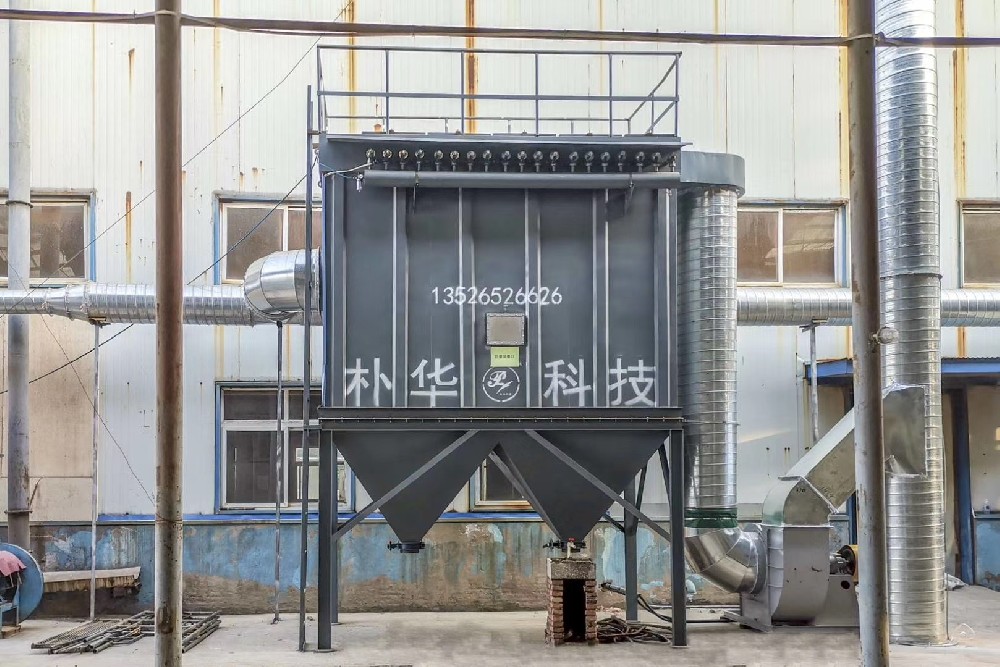
Sintered plate filters, often made from UHMWPE (Ultra-High Molecular Weight Polyethylene) or bronze particles sintered together and coated with PTFE, offer a fundamentally different approach to filtration . They are rigid, self-supporting structures.
Advantages of Sintered Plate Technology
Superior for Adhesive Dusts: Their rigid structure and surface filtration mechanism prevent dust from embedding. The same study mentioned above found that a sintered plate collector maintained stable resistance (between 155–520 Pa) while collecting adhesive kaolin, with emissions as low as 1 mg/m³ .
Extreme Durability and Longevity: These plates are highly wear-resistant and can last over 10 years, significantly reducing long-term maintenance costs . They are also resistant to acids and alkalis.
Consistent Low Emissions: The PTFE coating is deeply embedded, providing reliable surface filtration and maintaining ultra-low emission concentrations (
<1 mg="">
Excellent Chemical and Moisture Resistance: They are inherently resistant to moisture and many chemicals, eliminating rust and corrosion concerns common in metal housings.
Limitations of Sintered Plates
Temperature Sensitivity: Standard polymer-based sintered plates are typically limited to temperatures below 80°C (176°F) .
Higher Initial Cost: The upfront investment for sintered plates is generally higher than for cartridge filters.
Heavier Weight: Their rigid construction makes them significantly heavier than fabric-based cartridges, which may require consideration of the structural support.
Head-to-Head Comparison: Cartridge vs. Sintered Plate
To help visualize the key differences, the table below summarizes the performance characteristics of each technology.
| Feature | Cartridge Filter | Sintered Plate Filter |
|---|---|---|
| Best Application | General industrial dust, welding fumes, pharmaceutical powders, food processing. | Sticky, adhesive, hygroscopic, or abrasive dusts (e.g., clays, pigments, metal powders). |
| Filtration Principle | Depth filtration (media) or surface filtration (with membrane). | Surface filtration on a rigid, non-flexing substrate. |
| Resistance to Moisture | Moderate. Can blind if media gets wet. | High. Material is inherently moisture-resistant. |
| Typical Lifespan | 1–3 years (depending on duty). | 5–10+ years . |
| Temperature Limit | Up to 135°C (275°F) for standard, higher with specialty media. | Typically<80°c> |
| Relative Cost | Lower initial cost. | Higher initial cost, lower lifecycle cost. |
Key Decision Factors for Your Upgrade
Choosing the right path involves more than just comparing filters. Here is a structured approach to making your decision.
1. Analyze Your Dust Characteristics
This is the most critical step. Collect a sample and have it analyzed for:
Particle size distribution: Are you dealing with sub-micron fines?
Moisture content and hygroscopicity: Does the dust absorb water from the air?
Abrasiveness: Will it cut fiber-based media?
Chemical composition: Is it acidic or alkaline?
Combustibility: Does it pose an explosion risk? (NFPA standards apply) .
2. Evaluate Your Existing Equipment
Assess the condition of your dust collector housing.
Is the housing large enough to accommodate the required filter area?
Is the compressed air system (manifolds, valves, timers) capable of supporting the new filters' cleaning requirements?
Is the structure sound, or is corrosion a concern?
3. Consider Total Cost of Ownership
Look beyond the purchase price. Calculate:
Energy costs: A lower pressure drop from the right filter can save thousands annually in fan energy.
Maintenance labor: How often will filters need to be changed?
Disposal costs: Spent cartridges may be bulky and costly to dispose of, while rigid plates last much longer.
Production uptime: How much does downtime cost you during a filter change?
For complex industrial applications—such as those involving volatile organic compounds (VOCs) from chemical processes or high-temperature gases requiring pre-treatment—a holistic approach is necessary. Zhengzhou Puhua Technology offers a comprehensive range of solutions, including RCO catalytic combustion equipment, RTO equipment, and various VOCs treatment equipment, alongside advanced dust collection systems like pulse jet dust collectors and mobile dust collectors. Their expertise ensures that any upgrade integrates seamlessly with existing production processes.
Conclusion: Making the Informed Choice
There is no universal "best" filter. The right choice depends entirely on your specific application. If you are processing dry, non-abrasive, free-flowing dusts, a high-efficiency cartridge filter offers an excellent balance of performance and value.
However, if you are plagued by sticky, adhesive, or abrasive dusts that destroy conventional media, the investment in sintered plate technology is justified by its longevity, reliability, and ability to maintain compliance under difficult conditions .
An upgrade is a significant capital decision. By thoroughly analyzing your dust, your equipment, and your operational costs, you can select the technology that delivers the best return on investment for years to come. Consulting with an experienced provider ensures that all factors, from emission standards to energy efficiency, are properly addressed.
Related Articles
-

Zeolite Fixed Bed+Catalytic Combustion Equipment (RCO)
[list:visits]
-

Resin desorption+condensation recovery equipment
[list:visits]
-

Cooking oil fume purifier
[list:visits]
Subscribe to Our Newsletter
Stay updated with the latest news and insights from Puhua Tech.