
How Often Should Chinese Baghouse Filter Bags Be Replaced? A Complete Lifecycle Guide
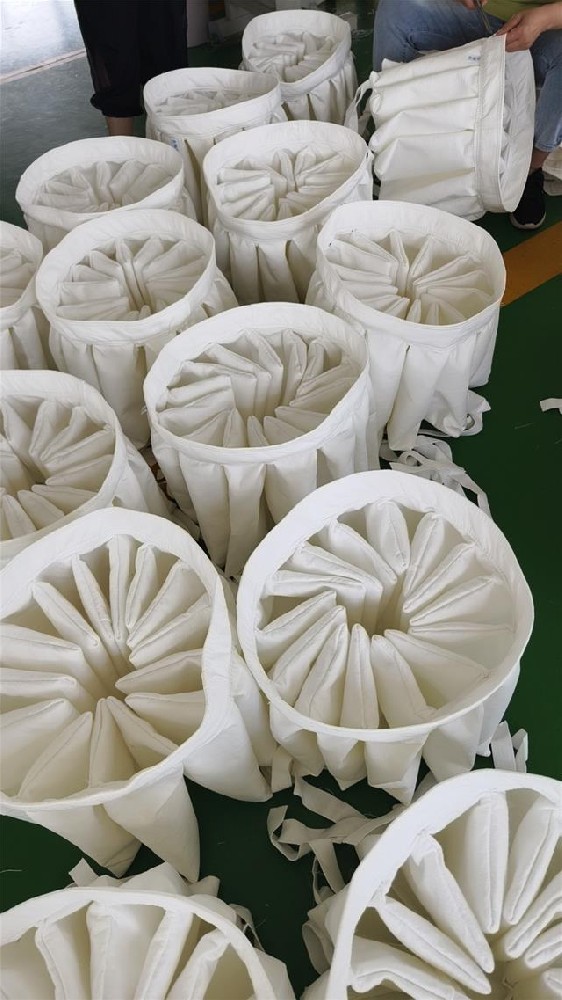
In the realm of industrial air pollution control, the baghouse dust collector stands as a sentinel, guarding both environmental compliance and production efficiency. At the heart of this system lies the filter bag, often called the "heart" of the dust collector. For plant managers and procurement specialists in China, one of the most critical and frequently asked questions is: what is the replacement cycle for baghouse filter bags? The answer is not a simple number, but a strategic decision based on a variety of operational factors. This guide delves deep into the intricacies of filter bag lifespan, providing you with the knowledge to optimize performance, minimize downtime, and manage costs effectively.
Understanding the Filter Bag Lifespan: Not a One-Size-Fits-All Answer
There is no universal expiration date for a filter bag. While some industry guidelines suggest a range of 1 to 4 years , the actual replacement cycle of a baghouse dust collector filter bag is determined by a complex interaction of factors. Think of it like the tires on a car; the replacement schedule depends on driving conditions, maintenance, and the quality of the part itself. In China's diverse industrial landscape, from coal-fired power plants to chemical processing facilities, these variables are particularly pronounced.
Key Factors Influencing Your Baghouse Filter Bag Replacement Cycle
To accurately predict and manage the service life of your filter bags, you must monitor and control several key operational parameters.
1. Operational Conditions: The Environment is Everything
Temperature: Operating consistently above the bag's maximum continuous temperature will lead to rapid hardening and shrinkage, a process that irrevocably damages the fabric . Conversely, operating below the acid dew point can cause corrosion and "mud cracking" of the filter cake.
Chemical Exposure: The presence of acidic or alkaline compounds, as well as solvents, can chemically attack the filter media fibers, leading to a loss of structural integrity and premature failure .
Moisture Content: High humidity or moisture in the gas stream can cause hygroscopic dust to adhere to the bags, leading to plugging (high pressure drop) and eventual failure .
2. Gas Flow and System Design
The very air that moves through the system plays a role. The volume of flue gas treated, the dust particle size, and the inlet dust concentration all place stress on the filter bags . Poor airflow distribution within the baghouse can cause localized high-velocity zones, leading to uneven wear and premature bag failure in specific areas.
3. Maintenance and Cleaning Practices
The way you operate and maintain the system is arguably the most controllable factor. The frequency and intensity of the cleaning cycle are paramount. Overly aggressive pulsing (high pressure) can shorten bag life, while insufficient cleaning leads to high differential pressure. The quality of the compressed air used for cleaning is also critical; it must be dry, clean, and oil-free, as oil can bind with dust and blind the filter media . Furthermore, the number of start-up and shutdown cycles places mechanical and thermal stress on the bags .
The Tangible Signs: When to Replace Your Filter Bags
While tracking operational data is crucial, physical and performance indicators often provide the most immediate and compelling evidence that a replacement cycle is due. Relying on these signs can prevent catastrophic failure and ensure continuous compliance.
| Indicator | Symptoms | What It Means |
|---|---|---|
| System Resistance (Pressure Drop) | The differential pressure across the dust collector consistently exceeds the design value (e.g., >1500 Pa) and does not return to normal after cleaning cycles . | This is a classic sign of bag plugging or "blinding," where dust becomes deeply embedded in the fabric matrix, restricting airflow. |
| Emission Concentration | The stack emission monitor shows a persistent or sudden increase in particulate matter, indicating a breach in the filtration system . | This usually points to bag leaks, tears, or failures in the seal between the bag and the tube sheet. |
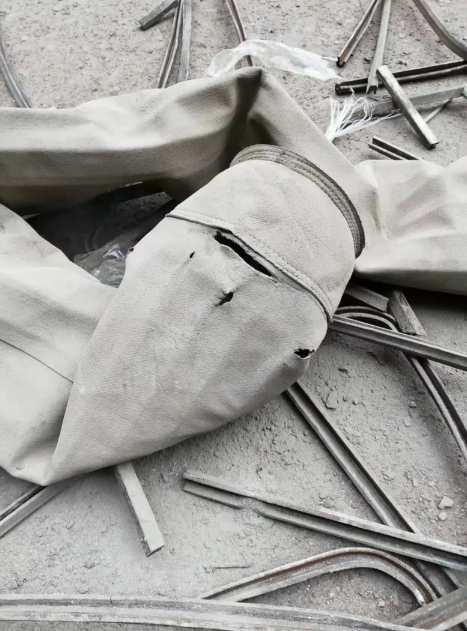
| Visual Inspection | Periodic internal inspections reveal physical damage such as holes, cracks, severe discoloration from heat, or a loss of flexibility in the bag fabric . | This confirms the filter media has reached the end of its useful life due to mechanical wear or material degradation. |
| Sudden Drop in Differential Pressure | A sharp, unexpected drop in pressure difference is observed. | This is a critical alarm, often indicating a major bag rupture or a failure in the bag attachment, allowing unfiltered air to bypass the bag completely . |
Proactive Management: How to Maximize Filter Bag Service Life
Extending the life of your filter bags is a direct path to lowering operational costs. It requires a shift from reactive replacement to proactive lifecycle management.
Establish a Rigorous Daily Operation Routine
Implement a schedule for regularly checking and recording key operational parameters for each chamber of your baghouse dust collector. This includes inlet and outlet temperatures, operating pressure difference, cleaning cycle frequency, and the status of the ash hopper level . By monitoring these data points, you can spot trends and address minor issues before they become major problems.
Master the Art of Cleaning
Fine-tune your cleaning system. The goal is to remove the dust cake without subjecting the bags to unnecessary stress. Ensure your cleaning gas source is of the highest quality—dry, clean, and oil-free—to prevent bag blinding . Avoid frequent, unnecessary shutdowns of the dust collector, as the thermal and pressure cycles can be particularly harsh on filter media .
Partner with a Technology Leader for Replacement and Support
When the time for replacement finally arrives, viewing it as a purely logistical task is a missed opportunity. A professional filter bag change is a complex procedure that directly impacts the future performance of your system. Proper installation—ensuring correct bag tension, a perfect seal at the tube sheet, and precise cage alignment—is non-negotiable for maximizing the life of the new bags .
This is where the expertise of a comprehensive manufacturer like Zhengzhou Puhua Technology becomes invaluable. As a leading environmental protection equipment manufacturer in Henan, they are not just a supplier of parts but a provider of complete solutions. Their deep understanding of dust collector systems—from baghouse filters and pulse jet cleaners to more complex RCO catalytic combustion equipment, desulfurization and denitrification systems, and VOCs治理设备—allows them to approach a bag change holistically. A team from Zhengzhou Puhua Technology doesn't just swap out old bags; they diagnose the entire system, inspecting for issues like improper airflow, damaged cages, or malfunctioning pulse valves that could compromise the new filter bags . They ensure the replacement is done right, restoring your dust collector to peak efficiency and laying the foundation for a long service life for the new components.
Conclusion
Determining the replacement cycle for your Chinese baghouse filter bags is a dynamic process that blends data-driven monitoring with practical observation. By understanding the factors that shorten bag life and recognizing the signs of impending failure, you can plan replacements strategically, avoiding costly emergency shutdowns and ensuring continuous environmental compliance. Remember, the goal is not just to replace worn-out parts, but to continuously improve the system's performance. Partnering with an experienced manufacturer like Zhengzhou Puhua Technology for your filter bag needs ensures you have access to not only high-quality products like pulse jet dust collectors and their components but also the expert knowledge to optimize your entire air pollution control strategy for years to come.
Related Articles
-

Zeolite Fixed Bed+Catalytic Combustion Equipment (RCO)
[list:visits]
-

Resin desorption+condensation recovery equipment
[list:visits]
-

Cooking oil fume purifier
[list:visits]
Subscribe to Our Newsletter
Stay updated with the latest news and insights from Puhua Tech.