
Baghouse Dust Collector Applications After Flue Gas Desulfurization (FGD): Critical Considerations f
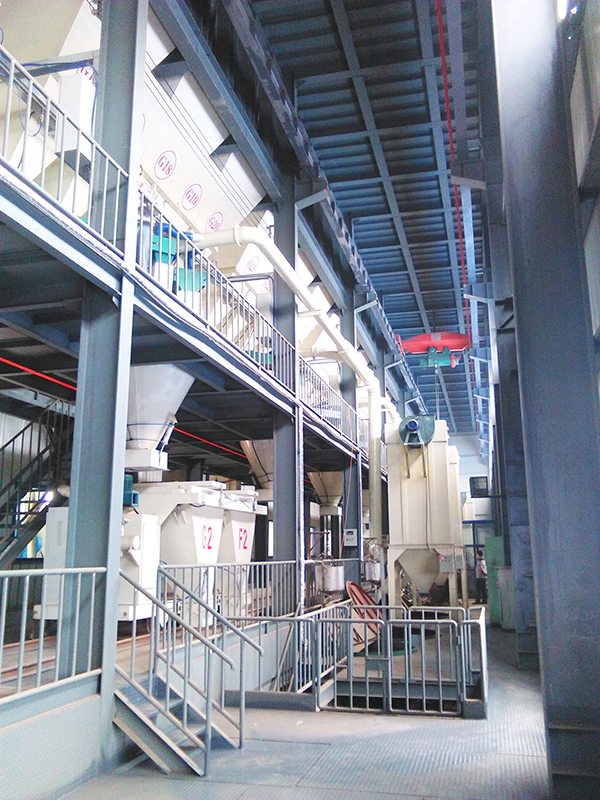
In modern industrial flue gas purification systems, the combination of Flue Gas Desulfurization (FGD) and baghouse dust collectors is the gold standard for achieving ultra-low emissions. However, positioning a baghouse downstream of a desulfurization unit—whether it is a wet, semi-dry, or dry FGD system—fundamentally alters the operating environment. The once "hot and dry" flue gas becomes cool, humid, and chemically aggressive. For plant managers and EPC contractors, understanding these shifting dynamics is essential to prevent premature equipment failure and ensure continuous compliance. This article outlines the critical technical considerations for deploying and maintaining baghouse dust collectors in post-FGD applications, ensuring your investment in air pollution control delivers long-term reliability.
1. The Corrosive Reality: Acid Dew Point and Condensation
The primary challenge of post-FGD dedusting is corrosion. FGD systems excel at removing sulfur dioxide (SO₂), but they also cool the flue gas, often to temperatures between 70°C and 90°C. This temperature range hovers dangerously close to the acid dew point. When SO₃ is present in the flue gas—even in small amounts—it combines with water vapor to form sulfuric acid (H₂SO₄). If the baghouse operating temperature dips below this critical threshold, the acid condenses directly onto the filter bags, cages, and housing .
This phenomenon, known as acid dew point corrosion, can devastate standard carbon steel components and hydrolyze conventional filter media. Therefore, robust insulation and, in some cases, hopper heating are non-negotiable to maintain a temperature at least 15-20°C above the dew point .
2. Filter Media Selection: Moving Beyond Standard Fabrics
Selecting the correct baghouse dust collector filter material is the most critical engineering decision for post-FGD applications. Standard polyester (PE) felts, a common choice for dry applications, are highly susceptible to hydrolysis in the moist, acidic environment downstream of a scrubber .
Here is a technical comparison of media suitable for these conditions:
| Filter Media | Max. Continuous Temp (°C) | Acid Resistance | Hydrolysis Resistance | Optimal Post-FGD Application |
|---|---|---|---|---|
| PTFE (Polytetrafluoroethylene) | 240-260 | Excellent | Immune | High chemical loads, incineration, steel; ultimate protection |
| PPS (Polyphenylene Sulfide) | 160-190 | Excellent | Good | Coal-fired boilers, stable chemical conditions |
| Acrylic (Homopolymer) | 125-140 | Very Good | Good | High humidity, lower-temp waste incinesis or biomass |
| P84 (Polyimide) | 230-240 | Good (Dry) | Poor | Not recommended for wet FGD downstream; suitable only if gas is reheated |
Engineering Insight: For severely corrosive environments, PTFE is the only fiber fully immune to both acid attack and hydrolysis . However, for many coal-fired applications with controlled temperatures, PPS offers an excellent balance of performance and value. Zhengzhou Puhua Technology recommends a detailed flue gas analysis before finalizing any filter bag specification, as the presence of oxidizing agents or specific acid concentrations can alter the ideal material choice.
3. Tackling Sticky Dust and Poor Cake Release
FGD processes, particularly semi-dry and dry scrubbers, inject sorbents like lime or sodium bicarbonate to react with acid gases. The resulting byproduct is a mixture of fly ash, reacted sorbents (calcium sulfite/sulfate), and unreacted reagents. This dust can be hygroscopic and "sticky," especially if the approach temperature to the dew point is too close .
This stickiness leads to two major operational problems in the baghouse:
Blinding: Pores in the filter media become permanently clogged, leading to a relentless rise in differential pressure (ΔP).
Poor Cleaning: The dust cake does not release effectively during the pulse-jet cleaning cycle, requiring more frequent and higher-pressure cleaning, which shortens bag life.
To combat this, engineers are increasingly turning to membrane filtration. Laminating the base fabric (e.g., PPS or acrylic) with an ePTFE membrane creates a slick, non-stick surface. This ensures the dust stays on the surface and releases easily during pulsing, maintaining a stable ΔP and preventing blinding .
4. Structural Integrity: Protecting the Cage and Housing
The corrosive atmosphere does not stop at the filter bag. The bag cages, which support the filters, are equally at risk. A standard carbon steel cage with a painted finish will quickly corrode in a post-FGD environment. Corroded cages become rough, abrading the bags from the inside out, and can eventually collapse.
Protection strategies for baghouse components include:
Cage Coatings: Utilizing high-quality stainless steel cages (e.g., 304 or 316L) or applying a robust, multi-layer epoxy coating that is pinhole-free and chemically resistant .
Housing Linings: For the baghouse vessel itself, internal linings made of flake glass vinyl ester or epoxy resins can provide a barrier against acidic condensate that runs down the walls .
Material of Construction: In highly corrosive niches, fabricating the hopper and lower sections of the baghouse from stainless steel can be a cost-effective long-term solution.
5. Operational Strategies for Baghouse Longevity
Beyond hardware, operational protocols must adapt to the post-FGD environment. Standard operating procedures designed for high-temperature, dry particulate collection are often ineffective here.
Temperature Monitoring: Continuous monitoring of the baghouse inlet temperature is critical. An alarm should trigger if the temperature approaches the acid dew point, potentially initiating a bypass or process adjustment .
Pulse Cleaning Optimization: In sticky dust environments, "offline" cleaning (where a compartment is isolated for cleaning) is often more effective than "online" cleaning, as it allows for a more thorough removal of the dust cake without re-entrainment.
Pre-Coating: During start-up or after a maintenance shutdown, pre-coating the bags with a neutral material like calcium carbonate or hydrated lime can protect them from initial condensation shocks and provide a base filtration layer.
Conclusion: A Holistic Approach to Post-FGD Filtration
Applying a baghouse dust collector after an FGD system is not simply a matter of connecting two standard pieces of equipment. It requires a holistic engineering approach that considers the altered chemical, thermal, and mechanical loads on the system. By prioritizing corrosion-resistant materials, appropriate filter media (such as PTFE, PPS, or acrylic), and robust structural protections, facilities can achieve reliable, long-term performance and meet stringent emission standards.
With decades of experience in designing comprehensive air pollution control solutions, Zhengzhou Puhua Technology offers integrated systems that address these exact challenges. As a leading environmental protection equipment manufacturer in Henan, we specialize in providing tailored solutions including high-performance baghouse dust collectors, RCO catalytic combustion equipment, RTO systems, desulfurization and denitrification equipment, and VOCs治理设备. Our engineering team ensures that every system—from the 脱硫塔 to the final 超低排放设备—is designed for synergy, efficiency, and durability in the most demanding industrial environments.
For expert advice on selecting the right filtration media or upgrading your existing post-FGD baghouse, consult with the specialists at Zhengzhou Puhua Technology to ensure your dust collection system is engineered for the real operating conditions it will face.
Related Articles
-

Zeolite Fixed Bed+Catalytic Combustion Equipment (RCO)
[list:visits]
-

Resin desorption+condensation recovery equipment
[list:visits]
-

Cooking oil fume purifier
[list:visits]
Subscribe to Our Newsletter
Stay updated with the latest news and insights from Puhua Tech.