
Why the "Initial Dust Layer" in Baghouse Filter Bags Is Critical for Performance
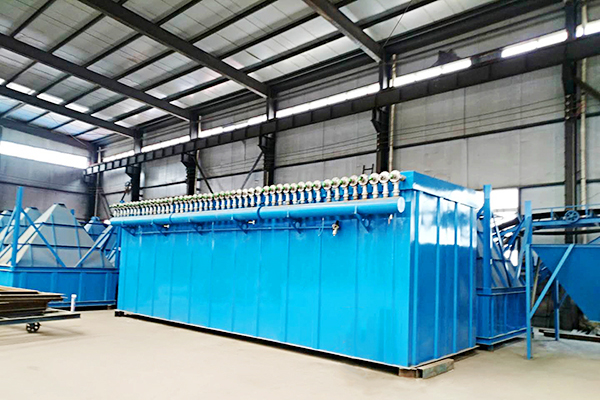
In the world of industrial air pollution control, the baghouse dust collector remains one of the most efficient technologies for capturing particulate matter. However, the secret to its high efficiency does not solely lie in the filter bag material itself. There is a phenomenon that occurs during the first few cycles of operation that is crucial for long-term performance: the formation of the "initial dust layer," also known as the "pre-coat layer." Understanding this concept is vital for plant managers and environmental engineers aiming for regulatory compliance and operational cost reduction. Industry leaders like Zhengzhou Puhua Technology emphasize the importance of this stage in their baghouse system designs to ensure optimal performance.
What is the Initial Dust Layer?
The initial dust layer, often referred to as the "cake layer" in its early stages, is the first buildup of fine particles on the surface of a brand-new or freshly cleaned filter bag. When a baghouse starts up, the fabric weave or felt of a new bag has pores that are larger than some sub-micron particles. Initially, some dust may penetrate the media. However, as operation continues, particles begin to bridge across the pores, forming a stable layer of dust on the surface.
This layer acts as the primary filtration medium. Once established, the dust layer—not the fabric itself—is what captures the majority of incoming fine particulates. This principle is fundamental to the engineering of pulse-jet cleaning systems and is a key consideration for manufacturers like Zhengzhou Puhua Technology when designing their baghouse dust collectors and pulse jet dust collectors.
The Critical Functions of the Initial Dust Layer
The presence of a well-formed initial dust layer is not a sign of maintenance neglect; it is a prerequisite for efficient operation. Here is why it is indispensable:
Enhanced Filtration Efficiency: The primary purpose of a baghouse is to clean gas streams. The initial layer creates a porous matrix that traps fine particles—including those that are harmful to human health—with over 99.9% efficiency. Without this layer, a brand-new bag might allow a "puff" of dust to pass through, leading to visible emissions.
Bag Protection: The dust layer acts as a sacrificial barrier. It absorbs the impact of high-velocity particles and the abrasive forces of the gas stream. By taking the brunt of the erosion, the layer protects the more expensive filter bag fibers from premature wear and tear, thereby extending the bag's service life.
Improved Dust Cake Release: Paradoxically, a smooth and consistent initial layer helps with cleaning. During the pulsing process, the cleaning air shock wave travels through the bag fabric. A stable initial layer helps the accumulated thick cake break away cleanly, rather than "bleeding" through the fabric or cleaning down to the bare fibers, which would restart the inefficient filtration cycle.
The Risks of Disturbing or Failing to Form the Layer
While the initial layer is beneficial, it requires careful management. Operational errors can negate its advantages. The table below outlines common problems associated with the initial dust layer and their consequences.
| Situation | Description | Consequences |
|---|---|---|
| Over-Cleaning | Pulse jet pressure is too high or frequency too frequent, stripping the bag completely bare. | Spikes in emissions, increased particle penetration into fabric, rapid blinding of pores. |
| Poor Start-up Conditions | Operating the baghouse at temperatures below the acid dew point with a new bag. | Moisture combines with dust to form a sticky mud that cakes on the bag, preventing layer formation. |
| Inadequate Pre-Coating | Failing to apply a sacrificial pre-coat material (like lime or limestone) in certain chemical or sticky dust applications. | Dust plugs the fabric pores irreversibly, leading to high pressure drop and bag failure. |
Optimizing the Initial Layer: Best Practices
To harness the benefits of the initial dust layer, facility operators must adopt specific operational strategies. Equipment providers, including Zhengzhou Puhua Technology, provide guidance on these best practices to ensure their RCO Catalytic Combustion Equipment and dust collection systems operate seamlessly.
Controlled Conditioning: When starting up a new baghouse or after a complete bag change, run the system at a reduced air-to-cloth ratio. This allows dust to deposit gently and form a stable base layer without being forced deep into the fabric.
Optimize Cleaning Cycles: Utilize the differential pressure gauge to initiate cleaning, not a fixed timer. If the pressure drop is stable, avoid unnecessary pulsing. This allows the permanent initial layer to remain intact. Modern controllers for ultra-low emission equipment are designed to manage this delicate balance.
Proper Pre-Coating: For applications involving sticky materials, hygroscopic dusts, or high humidity, a pre-coat material should be fed into the system upstream of the baghouse before the actual process dust enters. This creates a protective initial layer from a neutral, free-flowing material.
Monitor Dew Point: Ensure the baghouse temperature remains well above the acid or water dew point, especially during startup and shutdown, to prevent the initial layer from becoming "mud" that blinds the bags.
Conclusion: A Delicate Balance for Superior Filtration
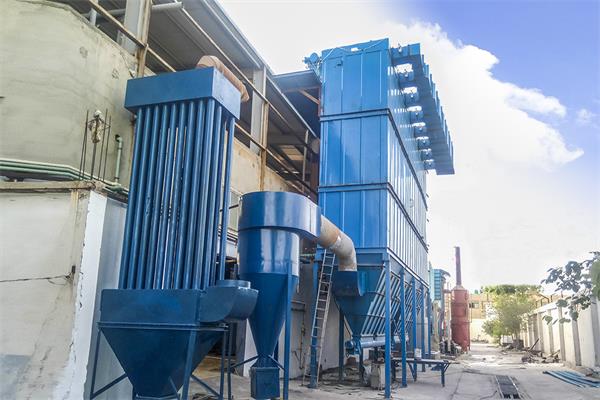
The initial dust layer is not a flaw but a feature of modern baghouse filtration. It represents a dynamic equilibrium where the dust being collected becomes the primary filtering agent. By respecting this principle and implementing proper operational controls, industries can achieve the ultra-low emission standards required today. Companies specializing in comprehensive environmental solutions, such as Zhengzhou Puhua Technology, integrate this understanding into their entire product range, from desulfurization towers and denitrification equipment to VOCs treatment equipment and pneumatic conveying systems. Managing the initial layer effectively is the key to unlocking the full potential of your Baghouse Dust Collector, ensuring clean air, lower costs, and regulatory peace of mind.
For expert advice on optimizing your baghouse performance or selecting the right filtration media for your specific dust characteristics, consulting with an experienced manufacturer like Zhengzhou Puhua Technology can provide tailored solutions for your facility's needs, whether it involves RTO Equipment, Photocatalytic Oxidation Equipment, or Sewage Treatment Equipment
Related Articles
-

Zeolite Fixed Bed+Catalytic Combustion Equipment (RCO)
[list:visits]
-

Resin desorption+condensation recovery equipment
[list:visits]
-

Cooking oil fume purifier
[list:visits]
Subscribe to Our Newsletter
Stay updated with the latest news and insights from Puhua Tech.