
Dust Collector Long-Term Shutdown: The Complete Preservation and Maintenance Guide
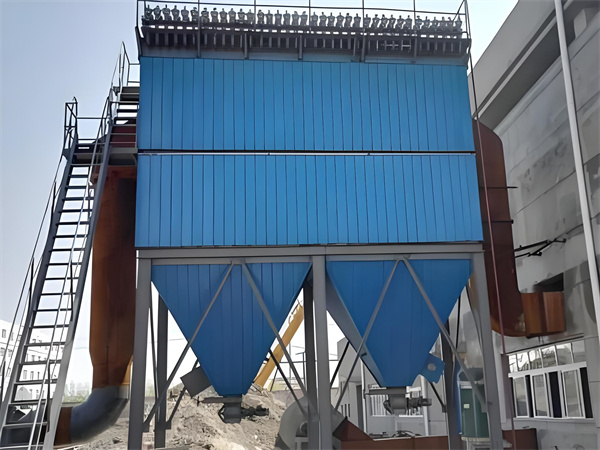
When production lines fall silent for seasonal breaks, scheduled maintenance, or extended downturns, the industrial dust collection system often stands idle in the corner. This period of inactivity, if not managed correctly, can be more damaging than years of continuous operation. Issues like moisture intrusion leading to filter cake solidification, corrosion of the metal housing, and seizure of mechanical components are common threats. Properly preparing and preserving your equipment during these times is not just about storage; it is an investment in operational readiness and asset longevity. This guide provides a comprehensive, step-by-step approach to ensuring your dust collector remains in peak condition, ready to perform the moment you need it.
Phase 1: Pre-Shutdown Preparation and Cleaning
The success of any long-term storage plan hinges on the actions taken in the final hours of operation. The goal here is to render the system as clean and dry as possible before sealing it off from the environment.
1.1 Final Purge and System Drying
Before shutting down the main process, but while the dust collector is still running, perform a "system purge." Allow the fan to continue running for 30 to 45 minutes with no new dust entering the system . This pulls fresh, ambient air through the filters and ductwork, expelling residual moist or humid air that could lead to condensation and clogging.
1.2 Complete Hopper Evacuation
Never use the hopper as a storage bin for collected dust . Accumulated dust can absorb atmospheric moisture, becoming hard, cement-like clumps that are difficult to remove and can corrode the hopper walls. Run the discharge system (rotary airlocks, screw conveyors) until the hopper is completely empty.
1.3 Filter Media Conditioning
For baghouse or cartridge collectors, the filters themselves need attention. Execute several offline cleaning cycles to knock off the bulk dust cake. While a residual layer of dust is beneficial for filtration during operation, a thick, wet cake during shutdown is detrimental. After cleaning, inspect the interior. If the air is humid, consider the steps in the next phase immediately.
1.4 System Isolation and Utility Shutdown
Once cleaned, close all isolation dampers, including inlet and outlet valves, to prevent outside air, pests, and debris from entering the system . Next, isolate and lock out all power sources to the control panel, fans, and cleaning systems. Finally, drain all compressed air lines, including the main receiver tank, filter regulators, and any moisture traps in the pulse-jet cleaning system .
Phase 2: Preservation and Maintenance During Dormancy
With the system clean and isolated, the focus shifts to combating the three main enemies of idle equipment: moisture, corrosion, and component degradation. A systematic, scheduled approach is essential.
2.1 Moisture Control and Internal Climate Management
Moisture is the primary cause of filter media failure (blinding) and metal rust. To maintain a dry internal environment:
Desiccants: Place industrial-grade silica gel or other moisture-absorbing desiccants inside the clean-air plenum and hopper. Ensure all access doors and inspection ports are tightly sealed with new gaskets if necessary .
Natural Ventilation: In dry climates, cracking open a port on a low-humidity day for a few hours every few weeks can help. However, in humid environments, this does more harm than good.
Space Heaters: For extended shutdowns in cold, damp environments, installing small electric strip heaters inside the collector body can keep the internal temperature above the dew point, preventing condensation .
2.2 Mechanical and Rotating Equipment Care
Bearings, shafts, and fans are susceptible to corrosion and flat-spotting.
| Component | Maintenance Task | Frequency |
|---|---|---|
| Fan & Motor Bearings | Fill bearing housings completely with grease to expel air and prevent moisture ingress. For long-term storage, rotate the fan shaft manually every 1-2 months to redistribute lubricant and prevent bearing brinelling . | Monthly |
| Pneumatic Cylinders & Valves | Apply a light coat of rust-preventative oil to exposed piston rods. Ensure all fittings are tight and diaphragms are not under pressure, which can cause them to deform or set . | Once during setup |
| Drive Belts & Couplings | Inspect for tension and cracks. Loosen belts slightly to relieve constant tension, which can cause them to stretch or crack. | Bi-Monthly check |
2.3 Electrical and Control System Protection
The control panel is the brain of the operation. Protect it from dust and humidity. Seal the panel enclosure, and place desiccant packs inside. If the storage environment is particularly corrosive, consider using a corrosion-inhibiting emitter (VCI) inside the panel.
Phase 3: Proper Recommissioning Procedure
Bringing a dust collector back online after months of inactivity requires a methodical approach. Rushing this process can lead to immediate filter damage or system failure.
3.1 Pre-Startup Inspection
Before restoring power, conduct a thorough physical inspection. Remove all desiccants, maintenance tags, and any temporary covers. Check the interior for signs of animal nests, excessive rust, or foreign objects. Manually inspect a sample of filter bags or cartridges for mildew, looseness, or damage .
3.2 System Integrity and Function Tests
Restore compressed air and power, but keep the main process isolated.
Leak Check: Pressurize the compressed air system and listen for leaks at diaphragm valves and fittings. Soapy water can help identify small leaks.
Valve Sequence: Initiate the cleaning controller to cycle through all pulse valves and hopper discharge equipment. Verify correct solenoid operation and listen for proper valve firing. Check for weak pulsing, which might indicate a blocked line or failed diaphragm .
Fan Rotation: "Bump" the fan motor to ensure rotation is correct before full startup.
3.3 Controlled "Warm-Up" and Loading
Start the fan with all dampers nearly closed. Gradually open the dampers while monitoring the differential pressure across the filters. Do not introduce process dust immediately. Allow the system to run with clean air for 30-60 minutes. This allows the filters to "relax" and condition themselves. Only after verifying stable pressures and airflow should you slowly reintroduce the process exhaust .
Developing a Custom Preservation Strategy
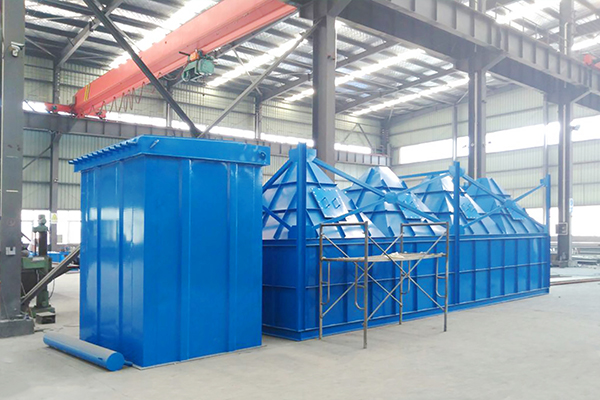
Every industrial facility is unique, and a one-size-fits-all approach to equipment preservation rarely suffices. Factors such as local climate, the chemical nature of the dust previously collected, and the anticipated length of the shutdown all dictate specific nuances in the procedure. A strategic partnership with an experienced equipment manufacturer can help tailor these steps to your specific assets, ensuring that when production resumes, your environmental compliance and operational efficiency are not compromised.
Zhengzhou Puhua Technology understands the critical nature of equipment reliability. As a professional environmental protection equipment manufacturer based in Henan, we bring over a decade of experience to the table. We specialize in designing and manufacturing a full spectrum of pollution control solutions, including high-quality baghouse dust collectors, pulse jet cartridge filters, RCO and RTO systems for VOCs, as well as advanced desulfurization, denitrification, and pneumatic conveying equipment. Our team is dedicated to providing not just machinery, but comprehensive support, including guidance on maintenance and long-term storage protocols to protect your investment. Whether you require robust dust collection for industrial processes or sophisticated gas treatment systems, our focus on research and development ensures you receive efficient, durable, and reliable equipment. Trust Zhengzhou Puhua Technology to be your partner in sustainable and uninterrupted production.
By following these detailed preservation steps, you effectively safeguard your equipment against the ravages of time and environment, turning a potential period of degradation into a seamless pause in your operations.
Related Articles
-

Zeolite Fixed Bed+Catalytic Combustion Equipment (RCO)
[list:visits]
-

Resin desorption+condensation recovery equipment
[list:visits]
-

Cooking oil fume purifier
[list:visits]
Subscribe to Our Newsletter
Stay updated with the latest news and insights from Puhua Tech.