
Analysis and Unblocking Techniques for Ash Clogging in Dust Collector Discharge Systems
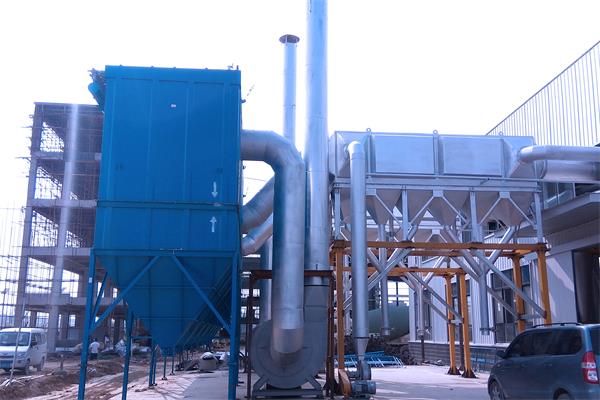
In the industrial dust control sector, the reliability of dust removal equipment directly impacts production efficiency and environmental compliance. Among the most common operational headaches is the ash clogging in dust collector discharge systems. When a discharge system malfunctions, it can lead to equipment downtime, increased maintenance costs, and even safety hazards. This article provides a comprehensive analysis of the causes of these blockages and offers practical, field-tested unblocking techniques to keep your operations running smoothly.
Understanding the Root Causes of Discharge System Blockages
To effectively solve a problem, one must first understand its origins. Analysis of ash clogging problems reveals that blockages are rarely random; they are typically the result of one or more of the following factors:
Ash Characteristics: The physical and chemical properties of the dust itself are primary culprits. Dust with high hygroscopicity can absorb moisture from the air, leading to caking. Fine, cohesive dust particles can compact under pressure, forming hard deposits inside hoppers and discharge valves.
Temperature Fluctuations: In systems handling hot gas, a drop in temperature can lead to condensation. This moisture mixes with the dust, creating mud-like sludge that sticks to walls and bridges across outlets—a phenomenon known as "dew point" clogging.
Mechanical Failure or Design Flaw: An undersized discharge valve, a worn-out rotary airlock, or a hopper with an insufficient slope angle can impede the flow of dust, causing it to accumulate and eventually block the system.
Operational Issues: Intermittent operation of the discharge system can allow dust to settle and compact. Furthermore, a failure to maintain consistent pressure differentials can contribute to material flow problems.
Proactive Strategies for Preventing Ash Blockages
Prevention is always more cost-effective than cure. Implementing robust strategies can significantly reduce the frequency of dust collector ash discharge system clogging.
System Design and Equipment Selection
Choosing the right equipment from a reputable environmental protection equipment manufacturer is the first line of defense. For instance, hoppers should be designed with steep angles and smooth surfaces to promote mass flow. The discharge valve must be appropriately sized for the dust load and characteristics.
Auxiliary Flow Aids
Installing flow aids can prevent blockages before they start. Common solutions include:
Hopper Vibrators: Pneumatic or electric vibrators can keep dust moving on hopper walls.
Air Cannons or Pulsed Air System: These discharge high-pressure air to break up bridges and rat-holes inside the hopper.
Heat Tracing and Insulation: For systems prone to condensation, maintaining the temperature above the dew point is critical.
Operational Best Practices
Consistent Discharge: Avoid leaving dust in the hopper for extended periods. Operate the discharge system on a regular, preferably continuous, cycle.
Regular Monitoring: Use pressure sensors and level indicators to monitor hopper fullness and discharge efficiency. Early detection of a pressure anomaly can indicate a developing blockage.
Unblocking techniques: Field-Tested Methods for Unblocking Discharge Systems
When prevention fails and a blockage occurs, immediate and effective action is required. Here are proven unblocking techniques to restore flow. Safety is paramount; always follow lockout/tagout procedures before attempting any manual intervention.
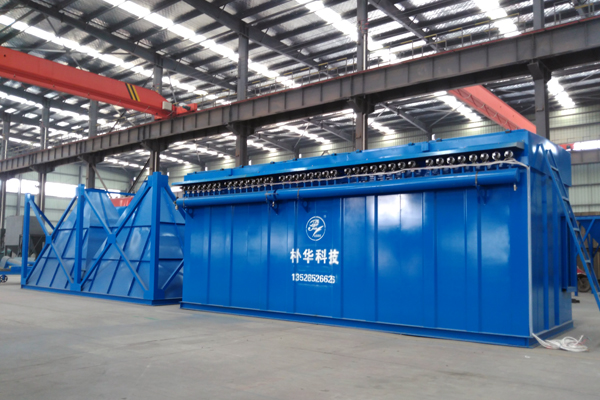
Technique 1: External Mechanical Agitation
This is often the first line of attack for minor blockages.
Method: Using a rubber mallet or a specialized hammer to strike the hopper wall at strategic points. The goal is to create vibrations that dislodge the bridged material without damaging the hopper's structure or internal coatings.
Best for: Loose, powdery blockages or minor buildups near the hopper outlet.
Technique 2: Pneumatic Lancing
For more stubborn blockages, injecting compressed air can be highly effective.
Method: Inserting a lance connected to a compressed air source into the system through access ports (e.g., poke holes or inspection doors) and directing the air jet at the compacted dust. This breaks up the material and fluidizes it, allowing it to flow again.
Best for: Blockages caused by compaction or caking deeper within the hopper.
Technique 3: Using Industrial Vacuums
When dealing with a completely blocked outlet, it's often necessary to create a path for the material to move.
Method: Connecting a powerful industrial vacuum to a discharge port or inspection door to suck out the compacted material from the bottom or side of the blockage. This can create a cavity that allows the bulk of the ash above to collapse and flow.
Best for: Clearing the immediate area around a stuck rotary valve or a completely sealed hopper outlet.
Technique 4: Back-Purging or Reverse Air Flow
In some baghouse configurations, using the cleaning system in reverse can dislodge blockages.
Method: If the system design allows, briefly introducing a reverse pulse of air into the hopper or discharge chute can blow the blockage back into a less restricted area, allowing it to be discharged properly.
Best for: Blockages located directly in the discharge chute or just below the valve.
Comparative Overview of Unblocking Techniques
To help you choose the right approach, the following table summarizes the key aspects of each technique:
| Technique | Primary Action | Equipment Needed | Best Application Scenario | Risk Level |
|---|---|---|---|---|
| Mechanical Agitation | Vibration | Rubber mallet | Minor, loose buildups near walls | Low |
| Pneumatic Lancing | Air Injection | Compressed air & lance | Compacted material deeper in hopper | Moderate |
| Industrial Vacuum | Suction/Removal | Industrial vacuum unit | Clearing a completely sealed outlet | Low |
| Back-Purging | Reverse Air Flow | Pulse jet system | Blockages in discharge chute | Moderate |
Implementing Long-Term Solutions with Professional Equipment
While manual Unblocking techniques are essential for immediate response, a long-term strategy should focus on system upgrades and professional maintenance. Partnering with an experienced manufacturer like Zhengzhou Puhua Technology can provide access to advanced solutions designed to mitigate ash clogging problem analysis. Zhengzhou Puhua Technology is a reputable environmental protection equipment manufacturer in Henan, specializing in the design and R&D of various dust control equipment, including baghouse dust collectors, pulse jet dust collectors, and pneumatic conveying systems.
Their expertise extends to providing integrated systems such as RCO catalytic combustion equipment, RTO equipment, and VOCs treatment equipment. For discharge systems specifically, they offer solutions like upgraded desulfurization towers and ultra-low emission equipment that incorporate advanced hopper and valve designs to minimize clogging risks. Their holistic approach to wastewater treatment equipment and air pollution control ensures that all aspects of your environmental compliance are covered, reducing the overall operational burden.
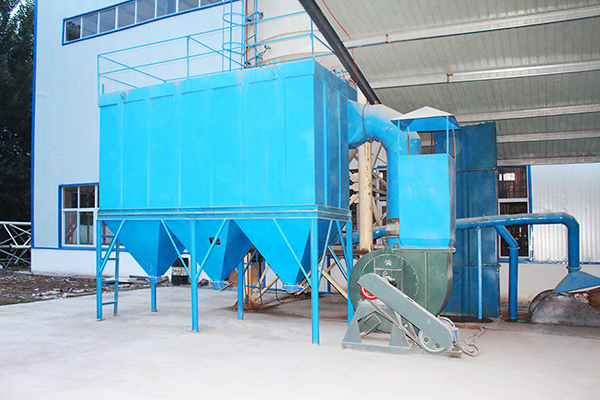
Conclusion: From Reactive Unblocking to Proactive Management
Dust collector ash discharge system clogging is a manageable challenge. By thoroughly understanding the root causes—whether related to ash characteristics, temperature, or mechanical design—and by implementing a combination of preventive strategies and effective unblocking techniques, you can significantly enhance system reliability. Moving from a reactive, "fix-it-when-it-breaks" mentality to a proactive management approach, supported by quality equipment from established manufacturers like Zhengzhou Puhua Technology, is the key to achieving uninterrupted operations and maintaining a clean, compliant, and efficient industrial environment.
Related Articles
-

Zeolite Fixed Bed+Catalytic Combustion Equipment (RCO)
[list:visits]
-

Resin desorption+condensation recovery equipment
[list:visits]
-

Cooking oil fume purifier
[list:visits]
Subscribe to Our Newsletter
Stay updated with the latest news and insights from Puhua Tech.