
Dust Collector Filter Selection: How Material, Weight, and Manufacturing Impact Performance
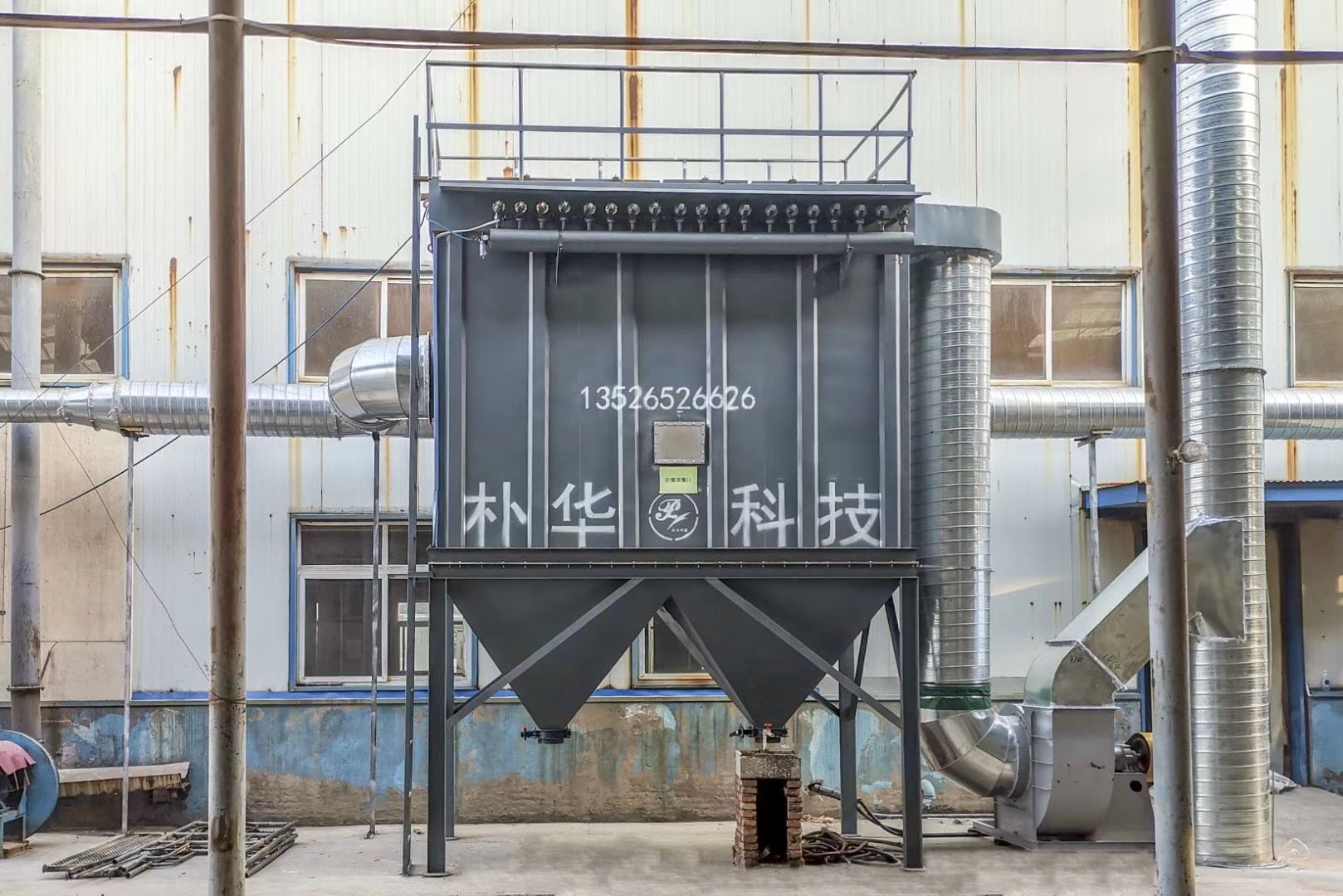
Selecting the correct filter media for your dust collection system is a critical decision that directly impacts operational efficiency, regulatory compliance, and your facility's bottom line. Whether you are managing a baghouse or a cartridge dust collector, the performance of the system hinges on three fundamental pillars: the filter material, its weight (basis weight), and the manufacturing process. This guide provides a comprehensive, technical deep-dive into how these factors influence performance, helping engineers and facility managers make informed, cost-effective decisions. Zhengzhou Puhua Technology, a leading manufacturer of environmental protection equipment in Henan, specializes in designing and producing high-performance filtration solutions that address these exact engineering challenges.
Understanding the Core: Filter Material Selection
The choice of filter media is the primary factor determining a filter's resistance to temperature, chemicals, and moisture, as well as its fundamental ability to capture particles . Different materials offer distinct advantages and limitations based on the application's specific demands.
Polyester (PE): The Industry Standard
Polyester is the most common filter media due to its excellent balance of cost and performance. It offers good resistance to acids and abrasion and performs well in continuous temperatures up to 130°C (266°F) . It is ideal for dry, non-aggressive dusts in industries like woodworking, grain processing, and general manufacturing. However, standard polyester is susceptible to hydrolysis in high-humidity environments.
Polyphenylene Sulfide (PPS): For High-Temperature Applications
PPS media is specifically engineered for challenging, high-temperature environments such as coal-fired boilers and waste incinerators. It offers exceptional resistance to sulfur oxides and acids, with a continuous operating temperature of 190°C (375°F). Its chemical resistance makes it a durable choice for power generation and asphalt plants.
Polyimide (P84): Enhanced Surface Filtration
P84 fibers feature a unique trilobal cross-section, which increases the surface area of the fiber. This geometry allows for the interception and retention of fine dust particles on the filter's surface. P84 is often blended with other fibers or used as a top layer to enhance efficiency for fine, sub-micron particulates without a significant increase in pressure drop.
Polytetrafluoroethylene (PTFE): The Ultimate in Chemical Resistance
PTFE membranes and fibers are chemically inert and can withstand continuous temperatures up to 260°C (500°F). PTFE provides a non-stick surface, which is excellent for releasing sticky or hygroscopic dusts, preventing filter blinding . While it represents a higher initial investment, its longevity in corrosive or high-temperature environments often results in lower long-term operational costs.
Fiberglass: High-Temperature and Dimensional Stability
Fiberglass filter media is designed for extreme temperatures, up to 260°C (500°F) or higher with specialized finishes. It offers excellent dimensional stability, meaning it won't stretch under load. Fiberglass is frequently used in large baghouse applications in cement and steel manufacturing, though it is less flexible and requires careful handling during installation .
The Role of Weight: Filtration Efficiency and Durability
In filter media, "weight" typically refers to the basis weight (grams per square meter or oz/yd²). This specification dictates the thickness and density of the media, directly influencing both efficiency and mechanical strength.
Standard Weight (400-500 gsm): Commonly used for general-purpose polyester filters. It provides adequate strength for pulse-jet cleaning and effective filtration for coarse to medium dust loads.
Medium Weight (500-600 gsm): Offers increased dust holding capacity and better support for surface treatments like singeing or calendaring. This is a common range for applications requiring a balance between airflow and efficiency.
Heavy Weight (600+ gsm): Used for highly abrasive dusts (e.g., sand, silica) or high-temperature applications like fiberglass. The increased mass provides greater protection against filter wear and extends the life of the media in harsh conditions.
It is crucial to understand that higher weight does not always equate to higher efficiency. While a heavier felt might capture more particles, it can also lead to a higher pressure drop, requiring more energy to pull air through the system. The optimal weight is determined by the specific dust loading and the desired air-to-cloth ratio .
Manufacturing Processes and Finishing Techniques
The way fibers are formed into a fabric and how that fabric is treated has a profound impact on final filter performance. Zhengzhou Puhua Technology employs advanced manufacturing techniques to ensure each filter meets the rigorous demands of modern industry.
Needle-Punched Nonwoven vs. Spunbond
The majority of industrial dust collector bags are made from needle-punched felt. This process mechanically entangles fibers using thousands of barbed needles, creating a dense, three-dimensional structure perfect for depth filtration . In contrast, spunbond media, often used in cartridge filters, creates a web of continuous filaments, offering a more consistent surface for pleating and fine particle capture .
| Process | Typical Application | Key Performance Indicator |
|---|---|---|
| Needle-Punched Felt | Baghouse Filters (Pulse-Jet, Reverse Air) | High dust holding capacity, durable for heavy loads. |
| Spunbond | Pleated Cartridge Filters | Consistent surface, excellent for fine particle capture. |
| Meltblown | Fine Filtration Layers (often composite) | Sub-micron particle efficiency, high initial efficiency. |
Surface Finishing: Singeing and Calendaring
To achieve higher filtration efficiency and better dust release, raw felt often undergoes surface treatments.
Singeing: This process uses a flame to burn off protruding fibers from the surface of the felt. This creates a smooth surface where dust forms a cake and releases more easily during the cleaning cycle, rather than embedding deep into the media.
Calendaring: The felt is passed between heated rollers to compress the media. This further densifies the surface, improving efficiency for fine particles but potentially reducing permeability. The right balance is key to optimizing performance.
Membrane Lamination and Coating
For applications demanding near-zero emissions or dealing with sticky, fine, or toxic dusts, membrane technology is essential.
ePTFE Membrane: A thin, microporous polytetrafluoroethylene (PTFE) membrane is laminated onto a substrate fabric (e.g., polyester or fiberglass) . This membrane acts as a primary filter surface, preventing particles from entering the substrate. This results in near-zero emissions, excellent dust release, and a stable pressure drop. This is a preferred solution for pharmaceutical, food processing, and hazardous dust applications.
Anti-static and Flame-Retardant Finishes: For combustible dusts, safety is paramount. Filters can be treated or manufactured with conductive fibers (such as stainless steel or carbon-loaded fibers) to dissipate static electricity, preventing sparks that could lead to a dust explosion . Flame-retardant finishes can also be applied to meet NFPA compliance standards .
Bag vs. Cartridge: How Performance Differs by Application
The choice between a bag and a cartridge filter is not just about preference; it is dictated by performance requirements and physical constraints.
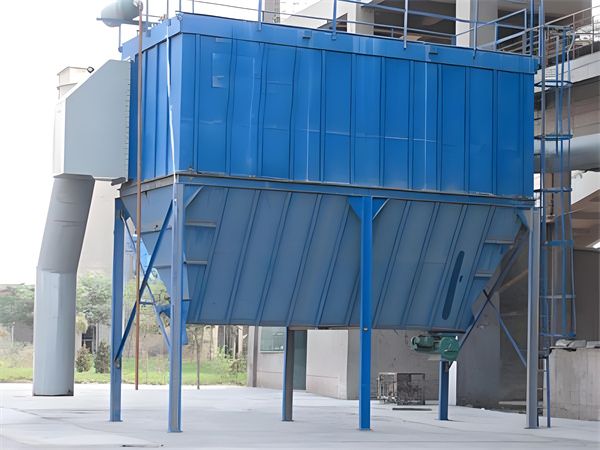
Filter Bags are typically the go-to solution for high dust loads, high temperatures, and abrasive materials . They offer a wide range of material choices (PPS, P84, Fiberglass) that can withstand extreme conditions. Zhengzhou Puhua Technology manufactures robust baghouse filters that leverage these advantages for heavy industries like mining, cement, and metallurgy. The larger size of bags allows for processing massive air volumes, though they require more headroom for installation and maintenance .
Filter Cartridges, with their pleated design, pack more media surface area into a compact footprint . This makes them ideal for facilities with space constraints. They generally excel at capturing fine and sub-micron dusts with lower energy consumption due to a reduced pressure drop. The media in cartridges—often spunbond polyester, nanofiber-coated, or PTFE-laminated—is optimized for surface loading, which makes them exceptionally efficient for applications like welding fume control, powder coating, and pharmaceutical manufacturing .
Matching Filter Specifications to Your Dust Characteristics
To ensure peak performance, you must match the filter to the specific dust and gas stream characteristics.
Particle Size: For dust with a high fraction of sub-2.5 micron particles, a high-efficiency media is required. Options include micro-denier fiber felts, nanofiber-coated media, or ePTFE membranes .
Temperature and Moisture: High-temperature applications require PPS, P84, PTFE, or fiberglass media . For moist or hygroscopic dust, hydrophobic media like spunbond polyester or PTFE-coated filters prevent plugging and maintain cleanability .
Chemical Composition: Acidic or alkaline gases will degrade standard polyester. PPS or PTFE media provide the necessary chemical resistance to ensure a reasonable filter lifespan.
Dust Loading and Air-to-Cloth Ratio: High inlet dust loading requires robust media and potentially a lower air-to-cloth ratio to prevent excessive pressure drop. Bag filters are often preferred for these conditions .
Why Choose Zhengzhou Puhua Technology for Your Filtration Needs?
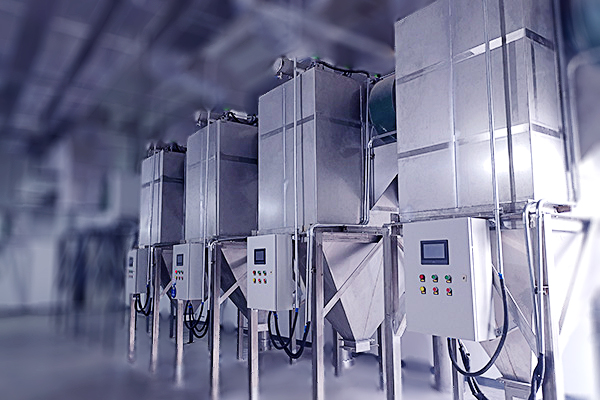
Navigating the complexities of filter selection requires expertise and a deep understanding of both material science and application engineering. Zhengzhou Puhua Technology stands at the forefront of this field. As a premier environmental protection equipment manufacturer based in Henan, we don't just supply filters; we engineer comprehensive dust control solutions.
Our product range includes high-performance baghouse dust collectors, pulse jet cleaners, mobile dust collectors, and ultra-low emission systems. We understand that the filter is the heart of the system, which is why we offer a full spectrum of filter media—from standard polyester to advanced ePTFE membranes—processed with state-of-the-art manufacturing techniques. Whether your facility requires a RCO catalytic combustion unit, a desulfurization tower, or a complete VOCs treatment solution, our team integrates the correct filtration technology to meet and exceed your emission targets. By choosing Zhengzhou Puhua Technology, you are partnering with a company dedicated to providing durable, efficient, and tailor-made environmental solutions for a cleaner, safer industrial future.
Conclusion
The performance of your dust collector is intrinsically linked to the selection of its filters. By carefully evaluating the interplay between filter material, weight, and manufacturing processes, you can optimize your system for maximum efficiency, compliance, and return on investment. Always analyze your dust's physical and chemical properties before making a selection. For applications demanding high efficiency, challenging environments, or ultra-low emissions, consulting with a knowledgeable supplier like Zhengzhou Puhua Technology ensures you get a solution engineered for success.
Related Articles
-

Zeolite Fixed Bed+Catalytic Combustion Equipment (RCO)
[list:visits]
-

Resin desorption+condensation recovery equipment
[list:visits]
-

Cooking oil fume purifier
[list:visits]
Subscribe to Our Newsletter
Stay updated with the latest news and insights from Puhua Tech.