
How to Choose a Cost-Effective Dust Collector for Your Small or Medium-Sized Enterprise
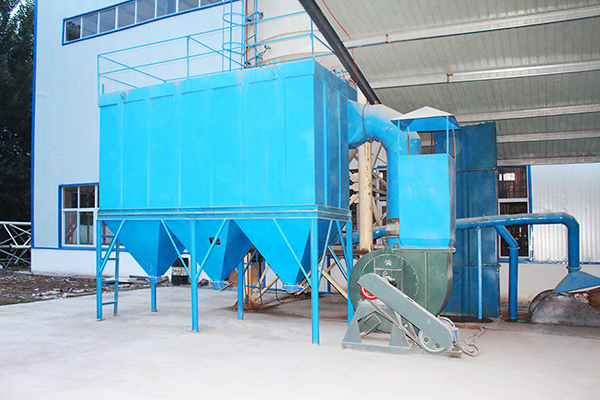
For small and medium-sized enterprises (SMEs) in industries like woodworking, metal fabrication, food processing, or chemicals, managing industrial dust is not just about compliance—it's about protecting employee health, maintaining equipment longevity, and ensuring product quality. However, for many business owners, the challenge lies in balancing effective dust control with a budget that makes sense. Investing in an industrial dust collection system is a significant decision. Choose a system that is too small, and you risk regulatory non-compliance and workplace hazards. Choose one that is too elaborate, and you tie up capital that could be used for growth.
This guide is designed to help SME owners navigate the complexities of selecting cost-effective dust control solutions. We will break down the key factors to consider, compare different technologies, and explain how to make a smart investment that provides long-term value. For businesses looking for reliable and expertly engineered solutions, understanding what makes a system both efficient and economical is the first step.
Understanding Your Dust Collection Needs
Before looking at equipment specifications, you must first conduct a thorough assessment of your facility's specific requirements. A cost-effective system is one that is precisely matched to your application—not over-sized or under-sized.
Key Factors to Analyze:
Dust Type and Characteristics: Is the dust dry or sticky? Is it combustible (like wood, grain, or aluminum) or hazardous to health? The chemical and physical properties will determine the type of filter media and construction materials required .
Airflow Volume (CFM): Calculate the Cubic Feet per Minute (CFM) required to capture dust at the source. This involves assessing the number of dust-generating machines and the size of their outlets. A common rule is to aim for 350 to 450 CFM per tool, plus an additional 10-20% capacity to account for ductwork losses and future expansion .
Operating Schedule: Is your equipment running intermittently for a few hours a day, or is it operating continuously during long shifts? This impacts the duty rating of the fan motor and the cleaning mechanism of the filter.
Facility Constraints: How much floor space do you have? Will the unit be installed indoors or outdoors? Space limitations can be a deciding factor between different types of collectors .
Comparing Dust Collection Technologies: Cartridge vs. Baghouse
For most SMEs, the choice often comes down to two main types of industrial dust collection systems: cartridge collectors and baghouse collectors. Each has distinct advantages depending on the application. The table below provides a simplified comparison to help you understand which technology might be more cost-effective for your scenario.
| Feature | Cartridge Dust Collector | Baghouse Dust Collector |
|---|---|---|
| Best For | Fine dust, fumes, powders (e.g., pharmaceuticals, welding, food processing) | Heavy dust loads, large particles, high volumes (e.g., mining, grain handling, woodworking) |
| Footprint | Compact; ideal for facilities with limited space | Larger; requires more floor space for the bag housing |
| Filtration Efficiency | Very high for sub-micron particles due to pleated media | High, but efficiency can vary based on fabric selection. |
| Maintenance | Easier and quicker filter changes; lower labor costs | More maintenance-intensive, but bags can sometimes offer a longer service life in specific applications . |
| Initial Investment | Generally higher initial cost for the filter cartridges. | Typically lower initial capital cost for the housing, but installation may be more complex. |
| Operating Costs | Potential energy savings due to lower pressure drop; replacement cartridges can be expensive . | Higher energy consumption potentially; bag replacement is generally less expensive than cartridges. |
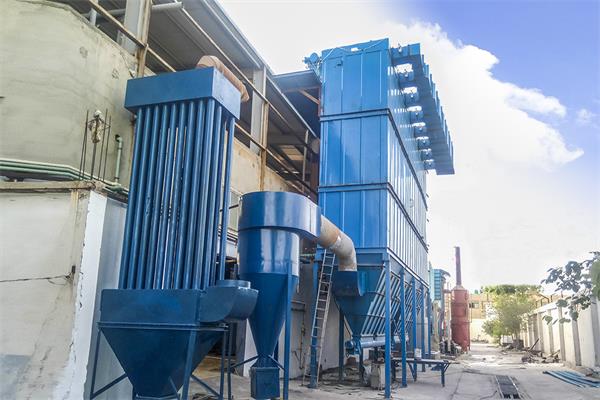
For smaller workshops running one or two machines intermittently, a single-stage collector or a portable unit might be the most cost-effective entry point. However, for facilities with multiple machines or continuous operations, investing in a more efficient two-stage cyclone or a cartridge system can significantly reduce long-term filter replacement and energy costs .
Calculating Total Cost of Ownership
The purchase price is just the tip of the iceberg. A truly cost-effective dust collector is one that minimizes the total cost of ownership (TCO) over its lifespan. When evaluating options, consider the following ongoing expenses:
1. Energy Consumption
A system with a high pressure drop requires a more powerful fan motor to move the same amount of air, increasing your electricity bills. High-efficiency filter media and well-designed fan systems, like those utilizing energy-efficient impellers, can offer significant energy savings over time .
2. Filter Replacement and Maintenance
How often do filters need to be changed? What is the cost of replacement parts? Systems that use pulsed air to self-clean, such as pulse jet cleaners, extend the life of the filters and reduce downtime. The ease of maintenance is also crucial. Systems that allow for quick, tool-less filter changes minimize labor costs and get your operation back up and running faster .
3. Disposal Costs
If you are collecting hazardous or toxic dust, disposal is a regulated and often expensive process. Some technologies, like wet scrubbers, collect dust in a sludge form, which can sometimes be easier and safer to dispose of than dry dust .
The Value of a Trusted Manufacturing Partner
Navigating these technical and financial variables can be complex. This is where partnering with an experienced manufacturer provides immense value. A reliable manufacturer does more than just sell equipment; they provide the expertise to design a system that fits your precise needs, ensuring you are not paying for unnecessary features or risking non-compliance with an undersized unit.
Zhengzhou Puhua Technology stands out as a leading environmental protection equipment manufacturer in China, dedicated to providing comprehensive solutions for SMEs. With a strong focus on research, design, and production, they offer a wide array of products designed to meet diverse industrial challenges efficiently and affordably . Their expertise spans across various domains of pollution control, ensuring that whether your need is for dry dust collection or fume extraction, there is a tailored solution available.
Their extensive product line includes robust solutions for virtually every industrial dust scenario:
For Dry Dust Collection: High-efficiency baghouse dust collectors and pulse jet cartridge collectors (like the pulse dust collector) designed for continuous operation and fine particulate control .
For Specialized Applications: Mobile dust collectors for flexible, point-of-source capture in varied locations within a facility.
For Gaseous Pollutants: In addition to dust, many processes generate fumes. Zhengzhou Puhua Technology also provides integrated solutions including RCO catalytic combustion equipment, RTO equipment, and VOC abatement equipment for comprehensive air cleaning .
For Specific Industries: They also manufacture desulfurization towers and denitrification equipment for industries dealing with combustion gases, as well as a full range of wastewater treatment equipment for holistic environmental management .
By choosing a partner like Zhengzhou Puhua Technology, SMEs benefit from a single-source provider capable of delivering not just a dust collector, but a fully integrated system that can include advanced features for achieving ultra-low emission standards. Their commitment to innovation and quality, evidenced by their numerous technical patents, ensures that your investment is built on proven technology .
Practical Tips for Installation and Maintenance
Once you have selected your equipment, proper installation and maintenance are critical to achieving that cost-effective operation.
Ductwork Design
Poorly designed ductwork can negate the efficiency of even the best dust collector. Use smooth-bore ducting where possible, minimize the number of bends, and ensure the duct diameter is correctly sized to maintain adequate transport velocity and prevent dust from settling in the pipes .
Routine Maintenance Schedule
A well-maintained system runs more efficiently and lasts longer. Implement a simple schedule:
Daily: Visually inspect for leaks or damage. Check collection drums and empty them before they exceed 60% capacity to maintain suction .
Monthly: Inspect and clean filters. For cartridge filters, this may involve using compressed air to pulse them clean, restoring performance . Check all moving parts and lubricate blast gates if applicable .
Annually: Conduct an airflow audit with an anemometer to ensure you are still achieving the required CFM at each dust pick-up point. Inspect ductwork for wear or accumulated debris .
Conclusion: Making a Smart Investment
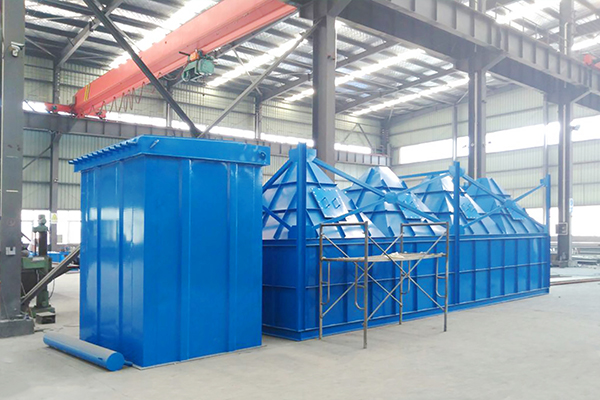
Choosing a cost-effective dust collector for your SME is a strategic decision that goes beyond the lowest price tag. It requires a clear understanding of your operational needs, a thorough evaluation of technology options, and a focus on the long-term costs of energy, maintenance, and compliance. By taking the time to calculate your true air volume requirements and dust characteristics, you can avoid the pitfalls of both undersizing and oversizing your system.
Partnering with an experienced and reputable manufacturer simplifies this process. Companies like Zhengzhou Puhua Technology bring years of application expertise and a comprehensive product portfolio to the table, ensuring that you receive a solution that is not only effective and compliant but also optimized for your specific budget and operational realities. With the right equipment and a commitment to regular maintenance, your investment in dust collection will pay dividends in the form of a safer workplace, higher productivity, and long-term operational savings.
Related Articles
-

Zeolite Fixed Bed+Catalytic Combustion Equipment (RCO)
[list:visits]
-

Resin desorption+condensation recovery equipment
[list:visits]
-

Cooking oil fume purifier
[list:visits]
Subscribe to Our Newsletter
Stay updated with the latest news and insights from Puhua Tech.