
Intelligent Control Systems: How PLC and IoT Elevate the Automation Level of Dust Removal Equipment
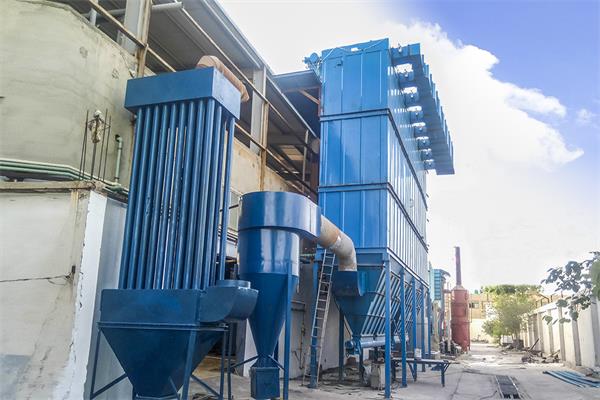
The industrial landscape is undergoing a profound transformation, driven by the integration of advanced automation and connectivity. For operations relying on dust removal equipment, the shift from basic mechanical systems to intelligent, networked control is not merely an upgrade—it's a revolution in efficiency, reliability, and data-driven management. This article delves into the powerful synergy of Programmable Logic Controllers (PLCs) and the Industrial Internet of Things (IIoT), exploring how they collectively set a new standard for automated dust control.
The Core Pillars of Modern Dust Removal Automation
At the heart of any advanced dust collection system lie two critical technological components that work in tandem:
Programmable Logic Controller (PLC): The robust, industrial-grade brain that executes control logic. It manages real-time operations such as valve sequencing, fan speed regulation, and pulse-jet cleaning cycles with precision and reliability.
Industrial Internet of Things (IIoT): The expansive nervous system that connects the PLC and sensors to broader networks. It enables remote monitoring, data aggregation, cloud analytics, and seamless integration with plant-wide management systems.
Key Benefits of Integrating PLC and IoT in Dust Collection
The convergence of PLC control systems with IoT connectivity unlocks unprecedented advantages for environmental management and operational excellence.
1. Enhanced Operational Efficiency and Precision
PLCs allow for highly customizable and adaptive control strategies. Instead of fixed timer-based cleaning, systems can utilize input from differential pressure sensors to initiate cleaning only when needed, optimizing compressed air usage and filter life. IoT platforms take this further by analyzing long-term performance data to suggest even more efficient control algorithms.
2. Proactive Maintenance and Reduced Downtime
Predictive maintenance becomes a reality. Vibration sensors on fans, temperature monitors on motors, and continuous pressure drop data are fed into the IoT platform.
| Parameter Monitored | Potential Issue Identified | Proactive Action |
|---|---|---|
| Rising Differential Pressure | Filter Bag Clogging | Schedule cleaning or inspect for material issues. |
| Motor Current Fluctuation | Fan Impeller Wear or Buildup | Plan for inspection and balancing during next shutdown. |
| Unusual Valve Response Time | Solenoid Valve Fatigue | Order replacement part and swap during routine service. |
3. Centralized Remote Monitoring and Control
Plant managers and environmental engineers can oversee the performance of distributed dust removal equipment across multiple facilities from a single dashboard. This capability, provided by IoT connectivity layered over robust PLC control, ensures consistent operation and rapid response to alerts, regardless of physical location.
4. Data-Driven Optimization and Compliance
IoT systems collect vast amounts of operational data. This data can be analyzed to:
Verify consistent emissions compliance through trend reporting.
Identify patterns in dust generation linked to specific processes.
Calculate precise energy consumption and operational costs for accurate budgeting and sustainability reporting.
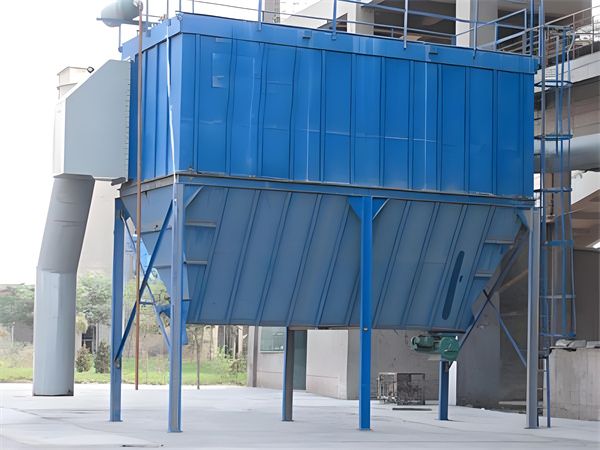
Implementing an Intelligent Control System: A Practical Perspective
Transitioning to a smart dust control system requires careful planning. A successful implementation typically follows these stages:
Assessment & Design: Evaluating existing equipment, defining automation goals, and designing the control architecture with appropriate sensor placement and network topology.
Hardware Integration: Retrofitting high-quality sensors, installing a reliable PLC as the local control hub, and establishing secure network gateways for data transmission.
Software & Connectivity: Programming the PLC for advanced control logic and configuring the IoT platform for data visualization, alarming, and integration.
Testing & Training: Commissioning the system thoroughly and training maintenance and operational staff on the new interfaces and diagnostic procedures.
Zhengzhou Puhua Technology: Engineering Intelligent Environmental Solutions
As industries seek to harness these technological advancements, partnering with an experienced provider is crucial. Zhengzhou Puhua Technology specializes in the design and development of comprehensive environmental protection equipment, including advanced dust removal systems. Their expertise encompasses integrating robust PLC control systems with modern IoT capabilities into their product line, which includes baghouse dust collectors, pulse-jet filters, and other air pollution control devices. This integration aims to deliver solutions that are not only effective in emissions control but also intelligent in operation, providing clients with enhanced visibility, control, and long-term operational savings. The focus is on creating systems that are reliable, efficient, and adaptable to the evolving needs of modern industrial automation.
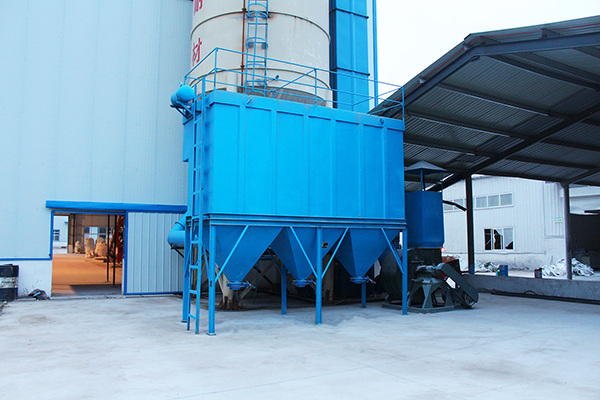
Future Trends: Where is Intelligent Dust Control Heading?
The evolution continues. The next frontier involves deeper integration with Artificial Intelligence (AI) and Machine Learning (ML). Future systems will likely feature self-optimizing control loops where the PLC's parameters are continuously adjusted by AI algorithms running on the IoT edge or cloud, learning from operational data to achieve peak performance autonomously. Furthermore, advancements in sensor technology will provide even more granular data on filter condition and particulate matter characteristics.
Conclusion
The automation of dust removal equipment through PLC and IoT is a definitive step towards smarter, more sustainable industrial operations. This intelligent control paradigm delivers tangible benefits in efficiency, cost savings, and compliance assurance. For facility managers and environmental engineers, understanding and adopting this technology is key to future-proofing operations and maintaining a competitive, responsible industrial facility. As demonstrated by the focused efforts of providers like Zhengzhou Puhua Technology, the future of environmental management is inextricably linked to the power of connected, intelligent automation.
Related Articles
-

Zeolite Fixed Bed+Catalytic Combustion Equipment (RCO)
[list:visits]
-

Resin desorption+condensation recovery equipment
[list:visits]
-

Cooking oil fume purifier
[list:visits]
Subscribe to Our Newsletter
Stay updated with the latest news and insights from Puhua Tech.