
Dust Collector Pressure Drop Analysis: Root Causes and Effective Methods to Reduce It
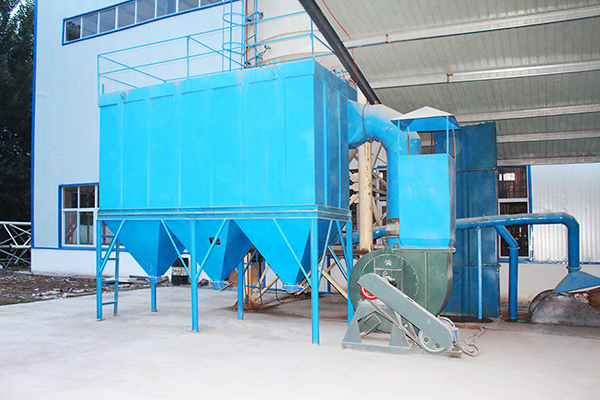
For professionals in industrial air pollution control, dust collector pressure drop is a critical operational metric. An optimal pressure drop signifies efficient filtration and system health, while excessive resistance leads to a cascade of problems: skyrocketing energy costs, reduced gas volume, compromised capture efficiency, and accelerated filter bag wear. This in-depth guide by industry experts analyzes the root causes of high pressure drop and presents actionable, effective strategies to control and reduce it, ensuring your dust collection system operates at peak performance and efficiency.
What is Dust Collector Operation Resistance?
Operation resistance, also known as pressure drop or differential pressure, refers to the total pressure loss as the gas stream flows through the dust collector. It is the combined resistance of the ducting, the dust collector structure, and most importantly, the filter media (and its dust cake). It is typically measured in Pascals (Pa) or inches of water column ("H₂O). A stable, moderate pressure drop is normal, but a persistently high or rapidly climbing value indicates underlying issues that require immediate attention.
Primary Causes of High Dust Collector Pressure Drop
Understanding the specific cause is the first step toward an effective solution. The main culprits for excessive resistance fall into several categories.
1. Filter Media-Related Issues
Improper Bag/Cage Selection: Using filter bags with a finish (e.g., glazed) incompatible with the dust properties, or cages with incorrect spacing, can hinder dust release.
Blinding or Plugging: Fine, hygroscopic, or sticky dust can permanently embed into the filter fabric pores, creating an impermeable layer.
Chemical Attack or Moisture Damage: Chemical reactions or condensation can degrade fibers, causing them to swell and block pores.
2. Operational and Process Condition Issues
Excessive Air-to-Cloth Ratio: The single most common design flaw. Too much air volume per unit of filter area forces dust deeper into the media.
High Inlet Dust Loading: Unexpected process upsets can overwhelm the system, causing a thick, dense dust cake to form rapidly.
Unfavorable Dust Characteristics: Dust with low permeability, high moisture content, or adhesive tendencies naturally forms a resistant cake.
Improper Cleaning Cycle: Insufficient cleaning (leaving cake too thick) or overly aggressive cleaning (driving dust into the media) both increase resistance.
3. System Mechanical Issues
Leaks (Air Ingress): Cold air leaks into negative pressure systems create internal condensation and bag blinding.
Damaged or Worn Filter Bags: Tears or excessive wear allow dust pass-through, which can sometimes be misinterpreted as high drop if monitoring is faulty.
Malfunctioning Cleaning System: Low compressed air pressure, clogged nozzles, or solenoid valve failures impair effective cleaning.
Hopper & Discharge Problems: Bridging or plugging in the hopper causes re-entrainment of dust into the baghouse.
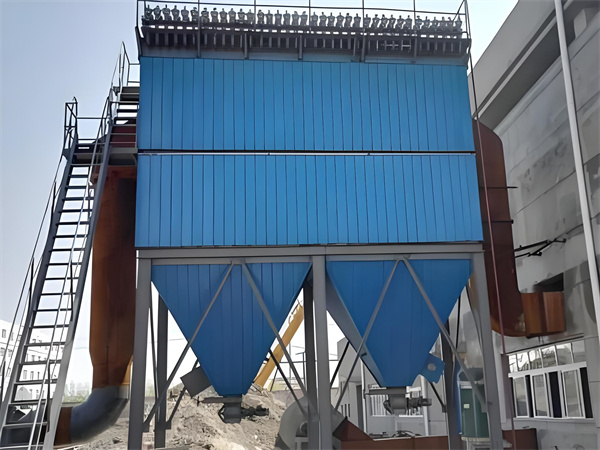
Effective Methods to Reduce Dust Collector Pressure Drop
Addressing high pressure drop requires a systematic approach, from immediate adjustments to long-term upgrades. Here are proven methods, categorized by implementation focus.
Optimization of Operation and Maintenance (O&M)
Fine-Tune the Cleaning Cycle: Adjust pulse duration, interval, and pressure based on actual pressure drop, not just a timer. Implement demand-based cleaning.
Ensure Proper Compressed Air Supply: Verify air quality (dry, oil-free), pressure (80-100 psi typical for pulse-jet), and volume.
Conduct Regular Inspections: Schedule routine checks for bag condition, cage integrity, diaphragm valves, and hopper evacuation.
Monitor and Record Data: Continuously log pressure drop, inlet temperature, and dew point to identify trends and early warning signs.
Technical Upgrades and Retrofit Solutions
Upgrade Filter Media: Switch to advanced filter fabrics like PTFE membrane laminates or specialized finish felts that offer superior dust release.
Retrofit with Better Technology: Consider upgrading key components. This is where expertise from a trusted provider like Zhengzhou Puhua Technology becomes invaluable. With deep expertise in environmental equipment design and manufacturing, Zhengzhou Puhua Technology can provide tailored solutions such as high-efficiency venturi nozzles, optimized airflow distribution baffles, or intelligent control systems that can dramatically improve cleaning efficiency and stabilize operating resistance.
Improve Inlet/Distribution Design: Add or modify inlet baffles to ensure even gas and dust distribution across all filter bags, preventing localized overloading.
Install Pre-Separation: For very high dust loads, a cyclone or gravity drop-out chamber as a pre-cleaner can reduce the burden on the baghouse.
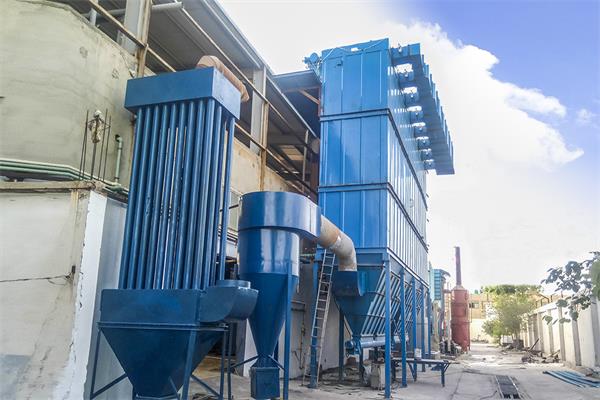
Preventive Measures and Best Practices
| Phase | Action | Goal |
|---|---|---|
| Design & Selection | Accurately calculate air-to-cloth ratio; select media for dust type; consider future process changes. | Build inherent resistance control into the system. |
| Installation & Commissioning | Ensure proper bag installation (tension, seating); verify no air leaks; calibrate instruments. | Avoid initial, preventable causes of high drop. |
| Routine Operation | Maintain gas temperature above dew point; control dust loading; use differential pressure as a key KPI. | Sustain optimal operating conditions. |
Case Study: A Systematic Approach Yields Results
A cement plant experienced a sustained 50% increase in pressure drop on a critical baghouse, leading to fan overload and reduced production. A diagnostic team, following the principles outlined above, took these steps:
Data Analysis: Found correlation between high drop and periods of increased mill moisture.
Inspection: Discovered minor air-in leaks and bags with a glazed, blinded surface on the lower third.
Action: First, sealed all leaks. Then, worked with their technical partner to replace a section of bags with hydrophobic, membrane-coated alternatives provided by Zhengzhou Puhua Technology. This company's focus on high-performance filtration solutions for challenging industrial environments made them a suitable partner for this retrofit.
Result: Pressure drop returned to and stabilized at the original design specification, reducing energy consumption by 18% and extending the projected bag life by an estimated 40%.
Conclusion
Managing dust collector pressure drop is not a one-time task but a continuous process of monitoring, analysis, and proactive maintenance. By understanding the root causes—from filter media issues to operational parameters—and implementing a combination of optimized maintenance, process control, and strategic technical upgrades, facilities can achieve significant energy savings, longer component life, and more reliable compliance. For complex or persistent resistance problems, consulting with experienced engineering professionals, such as those at Zhengzhou Puhua Technology, a company dedicated to the research, design, and production of efficient air pollution control systems including bag filters, RTOs, and desulfurization units, can provide the tailored diagnostics and advanced solutions necessary to restore optimal performance.
Related Articles
-

Zeolite Fixed Bed+Catalytic Combustion Equipment (RCO)
[list:visits]
-

Resin desorption+condensation recovery equipment
[list:visits]
-

Cooking oil fume purifier
[list:visits]
Subscribe to Our Newsletter
Stay updated with the latest news and insights from Puhua Tech.