
How to Treat High-Temperature Flue Gas? A Comprehensive Analysis of High-Temperature Bag Filter Tech
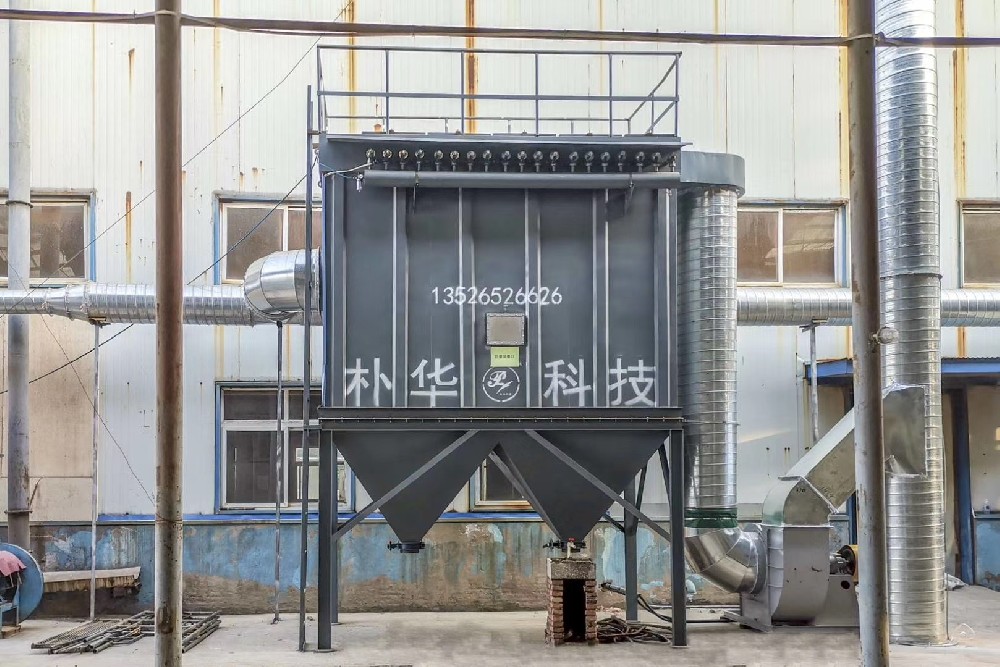
Effectively treating high-temperature industrial flue gas is a significant challenge in the field of air pollution control. Improper handling not only fails to meet emission standards but can also damage equipment and increase operational costs. This article delves into the core technology of handling high-temperature flue gas: high-temperature bag filter systems. We will comprehensively analyze their working principles, key technologies, and selection considerations, providing you with actionable knowledge and reliable solutions.
Understanding the Challenge: Characteristics of High-Temperature Flue Gas
High-temperature flue gas, typically exceeding 120°C, originates from various industrial processes such as metallurgy, cement production, power generation boiler exhaust, chemical manufacturing, and waste incineration. Its primary characteristics include:
High Temperature: Can range from 120°C to over 300°C, posing a direct threat to standard filtration materials.
Corrosive Components: May contain sulfur oxides, nitrogen oxides, hydrogen fluoride, and other acidic substances.
High Humidity: Some processes produce flue gas with significant moisture content, leading to condensation risks.
Complex Dust Properties: Dust particles can be abrasive, adhesive, or hygroscopic.
These factors make the selection of filtration materials and system design crucial. This is where specialized high-temperature bag filter technology becomes essential.
Core of the System: High-Temperature Filter Bag Materials
The heart of a high-temperature bag filter is the filter media. The choice of bag material directly determines the system's temperature resistance, filtration efficiency, and service life. Here is a comparison of common high-temperature filter bag materials:
| Material | Continuous Use Temperature | Peak Temperature | Main Characteristics | Typical Applications |
|---|---|---|---|---|
| PPS (Polyphenylene Sulfide) | 160°C | 190°C | Excellent acid resistance, good hydrolysis stability, poor oxidation resistance. | Coal-fired boilers, waste incineration, cement kilns. |
| P84 (Polyimide) | 240°C | 260°C | Excellent high-temperature performance, inherent flame retardancy, high dust capture efficiency. | High-temperature dry processes, asphalt mixing, metallurgy. |
| Fiberglass | 260°C | 280°C | Extremely high-temperature resistance, good dimensional stability, requires careful handling due to brittleness. | Cement kiln heads, metallurgical furnaces, high-temperature carbon black processes. |
| PTFE (Polytetrafluoroethylene) | 260°C | 280°C | Outstanding chemical resistance, very low friction coefficient, excellent hydrolysis resistance, higher cost. | Extreme chemical corrosion environments, high-humidity high-temperature flue gas. |
Key Technologies in High-Temperature Bag Filter Design
Beyond the filter bags, a robust high-temperature flue gas treatment system relies on several integrated design technologies:
Inlet Gas Distribution & Cooling Mechanism: A well-designed inlet diffuser plate ensures even gas flow across all filter bags, preventing localized wear. For gases exceeding the filter media's limit, mixing with ambient air or employing an air cooler is necessary to lower the temperature safely.
Thermal Insulation & Structural Integrity: The housing of the filter must be insulated to prevent heat loss, which can cause acid dew point corrosion on cold surfaces, and to protect personnel. The steel structure must account for thermal expansion to avoid deformation.
Pulse-Jet Cleaning System: This is critical for maintaining low pressure drop. For high temperatures, diaphragm valves and diffusers compatible with the heat must be used. The cleaning pressure and cycle need precise adjustment based on dust characteristics.
Hopper & Dust Discharge Design: Hoppers are equipped with heaters and insulation to prevent dust bridging or plugging due to moisture or temperature drop. Reliable rotary valves or double flap valves ensure continuous dust discharge.
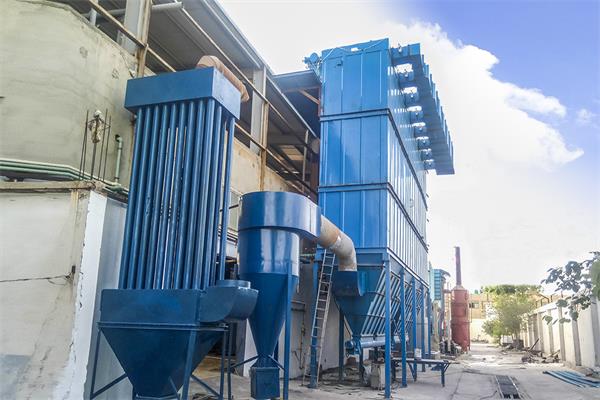
Practical Application Considerations for High-Temperature Dust Collection
Selecting and operating a high-temperature baghouse requires careful planning. Here are the key factors to consider:
Accurate Flue Gas Analysis: Precisely measure temperature, composition (especially acid dew point), humidity, and dust concentration.
Filter Bag Selection Matrix: Match the bag material not just to temperature, but also to chemical composition and abrasiveness of the dust.
Pre-Treatment Needs: Determine if pre-cooling or pre-conditioning (e.g., lime injection for acid neutralization) is required before the flue gas enters the bag filter.
System Safety Protocols: Install safety devices like bypass ducts with emergency dampers for extreme temperature spikes and spark arrestors if applicable.
Reliable Solutions from Industry Experts
Addressing the complex challenges of high-temperature flue gas treatment demands proven expertise and reliable equipment. For industries seeking effective and durable air pollution control systems, collaborating with an experienced provider is key.
Zhengzhou Puhua Technology specializes in the research, design, and manufacturing of advanced environmental protection equipment, including tailored solutions for high-temperature industrial processes. Our product portfolio encompasses a wide range of dust removal equipment designed to handle demanding conditions. We offer comprehensive high-temperature bag filter systems that integrate appropriate filter media selection, robust structural design, and intelligent control systems. Our technical team can assist in analyzing your specific flue gas parameters to recommend the optimal configuration, ensuring stable compliance with emission standards and long-term operational reliability.
Conclusion
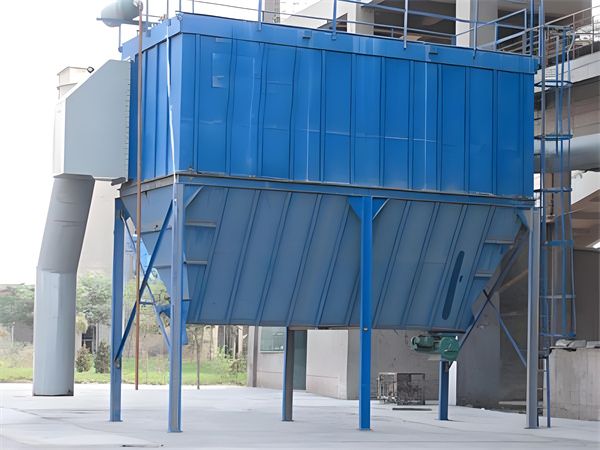
Treating high-temperature flue gas efficiently and reliably is achievable with the correct application of high-temperature bag filter technology. Success hinges on a deep understanding of the gas stream properties, informed selection of filter materials, and meticulous system engineering that addresses thermal management, corrosion protection, and effective cleaning. By focusing on these core principles and leveraging specialized industry knowledge, enterprises can implement dust control systems that ensure environmental compliance, protect equipment, and support sustainable production.
Related Articles
-

Zeolite Fixed Bed+Catalytic Combustion Equipment (RCO)
[list:visits]
-

Resin desorption+condensation recovery equipment
[list:visits]
-

Cooking oil fume purifier
[list:visits]
Subscribe to Our Newsletter
Stay updated with the latest news and insights from Puhua Tech.