
Application Practice of Bag Filter Dust Removal Technology for Blast Furnace Gas in Steel Plants
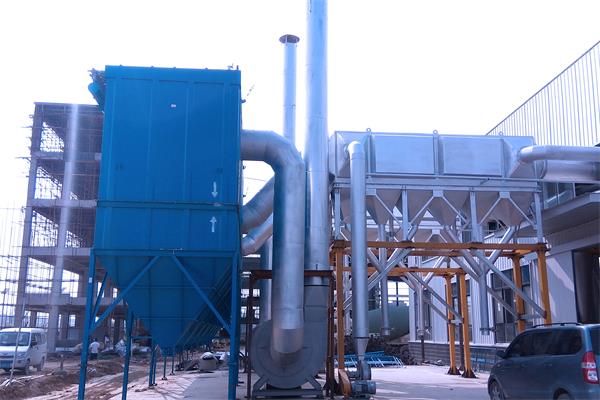
The iron and steel industry, as a pillar of the national economy, faces persistent challenges in energy conservation, emission reduction, and green transformation. Among these, the efficient purification of blast furnace gas (BFG) is a critical technical and economic issue. Traditional wet dust removal methods suffer from high water consumption, secondary pollution, and energy loss. The dry bag filter dust removal technology has emerged as a revolutionary solution, offering significant advantages in system efficiency, energy recovery, and environmental compliance. This article delves into the practical application of this technology, with a focus on the system solutions and case studies from industry leader Zhengzhou Puhua Technology.
Challenges of Traditional Blast Furnace Gas Dust Removal
Blast furnace gas, a crucial by-product fuel, contains a high concentration of fine dust. Ineffective purification not only damages downstream equipment like TRT (Top Gas Recovery Turbine) but also causes severe environmental pollution. Common drawbacks of older methods include:
High water consumption and wastewater treatment costs.
Significant temperature drop of the gas, reducing its thermal value and efficiency.
Corrosion of pipelines and equipment.
Difficulty in handling fine particulate matter (PM2.5-10).
Core Principles and System Advantages of Dry Bag Filter Technology
Dry bag filter technology for BFG employs high-temperature, high-precision filter bags to directly capture dust from the hot gas. The system typically consists of a gas cooling/temperature control module, filter bag chambers, ash discharge system, and nitrogen back-pulse cleaning system.
Key Advantages:
High-Efficiency Dust Removal: Outlet dust concentration can be stabilized below 5 mg/Nm³, meeting ultra-low emission standards.
Energy Conservation: No water washing minimizes gas temperature loss and calorific value reduction, boosting TRT power generation by 30%-50%.
Zero Secondary Pollution: The process produces dry dust, which is easily collected and recycled, avoiding sludge wastewater.
System Reliability: Advanced temperature control and fire/explosion prevention measures ensure long-term stable operation.
Zhengzhou Puhua Technology's Integrated Solution and Technical Highlights
As a specialist in industrial air pollution control, Zhengzhou Puhua Technology provides a complete blast furnace gas dry dedusting system from design to commissioning. Their core technological strengths ensure superior performance.
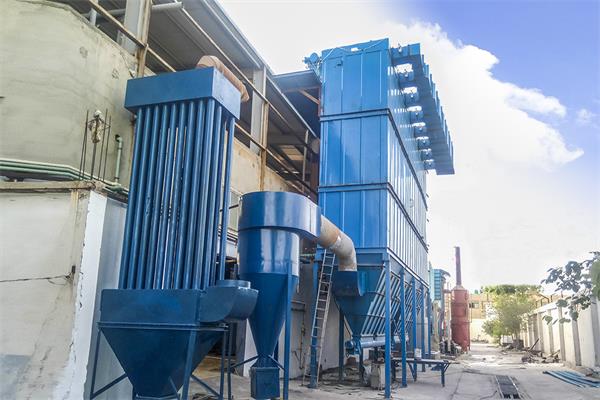
Critical Technical Measures:
Precise Temperature Control System: Utilizes efficient spray cooling towers and mixing valves to ensure gas temperature stays within the optimal range for filter bag operation, preventing condensation or damage.
High-Temperature Filter Material Selection: Offers a range of high-quality filter bags (e.g., PTFE, P84) with excellent durability and filtration efficiency for harsh conditions.
Intelligent Pulse Cleaning: Employs a PLC-controlled, nitrogen-based back-pulse cleaning system that adjusts cleaning frequency based on differential pressure, optimizing bag life and system resistance.
Comprehensive Safety Design: Integrated safety features include CO monitoring, explosion vents, and emergency inerting systems.
| Indicator | Traditional Wet Process | Puhua Dry Bag Filter Process |
|---|---|---|
| Outlet Dust Concentration | > 50 mg/Nm³ | < 5 mg/Nm³ |
| Gas Temperature Drop | Significant (> 50°C) | Minimal (< 10°C) |
| Water Consumption | High | Zero |
| TRT Power Generation Increase | Baseline | 30% - 50% |
| By-product Form | Wet Sludge | Dry, Recyclable Dust |
Practical Application Cases and Operational Benefits
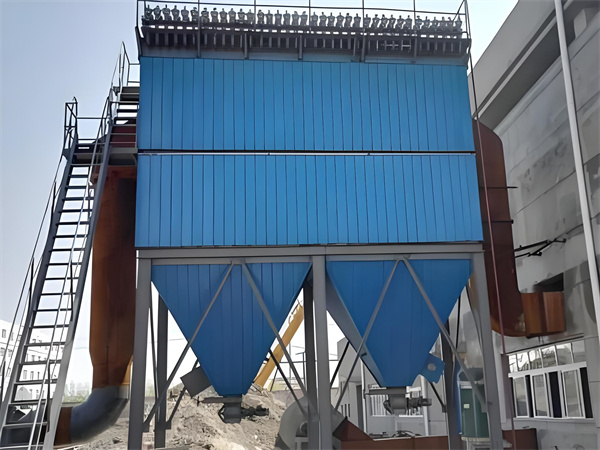
The dry bag filter systems designed and supplied by Zhengzhou Puhua Technology have been successfully implemented in multiple domestic large and medium-sized steel enterprises.
Operational Results: Post-retrofit plants report stable system operation with filter bag service life exceeding 24 months. The substantial increase in TRT power generation has shortened the investment payback period to typically 2-3 years. Moreover, the collected dry dust is returned to the sintering process, realizing a circular economy model within the plant.
Future Trends and Selection Recommendations
With increasingly stringent environmental policies, dry bag filter technology is becoming the standard for new blast furnace gas purification projects and technical renovations. When selecting a technology partner, it is crucial to consider the provider's comprehensive capabilities in system design, core equipment manufacturing, and safe operation experience.
The professional team at Zhengzhou Puhua Technology possesses deep expertise in blast furnace gas purification. They offer customized solutions based on specific blast furnace parameters and operational goals, providing clients with reliable, economical, and compliant environmental equipment. Their product portfolio, including high-efficiency bag filters, RTO equipment, and desulfurization towers, supports the steel industry's comprehensive green upgrade.
Conclusion
The application of dry bag filter dust removal technology for blast furnace gas represents a significant step forward for the steel industry in terms of energy efficiency, resource utilization, and environmental protection. By adopting advanced and reliable system solutions like those from Zhengzhou Puhua Technology, steel plants can effectively reduce operational costs, enhance economic benefits, and fulfill their social responsibility for sustainable development, paving a concrete path towards ultra-low emissions and intelligent manufacturing.
Related Articles
-

Zeolite Fixed Bed+Catalytic Combustion Equipment (RCO)
[list:visits]
-

Resin desorption+condensation recovery equipment
[list:visits]
-

Cooking oil fume purifier
[list:visits]
Subscribe to Our Newsletter
Stay updated with the latest news and insights from Puhua Tech.