
Diagnosis and Repair Methods for Pulse Valve Malfunctions or Air Leakage in Dust Collectors
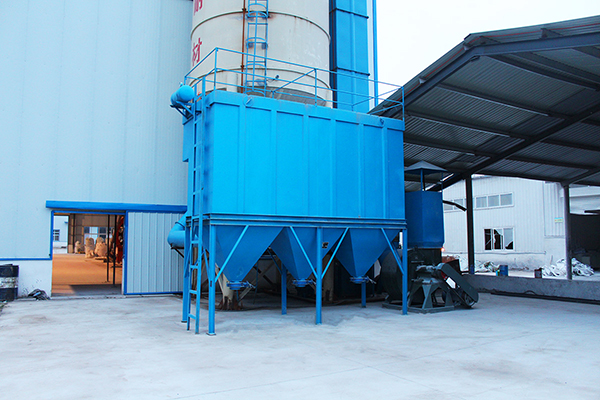
For industries that rely on bag filter systems, a malfunctioning pulse valve can significantly disrupt dust collection efficiency, leading to operational downtime and potential environmental compliance issues. This comprehensive guide provides in-depth diagnostic steps and effective repair methods to address common problems where the pulse valve is not working or is leaking air. This knowledge is essential for maintenance personnel, facility managers, and engineers in sectors such as manufacturing, mining, and power generation.
Understanding the Role of the Pulse Valve in Dust Collectors
The pulse valve is the core component of the cleaning system in a bag filter or pulse-jet dust collector. It acts as a high-speed switch, controlled by an electronic solenoid, to release a short, powerful burst of compressed air into the filter bags. This burst dislodges the dust cake from the bag surface, allowing the system to maintain proper airflow and filtration pressure. When a pulse valve fails—either by not firing (pulse valve not working) or by continuously leaking compressed air (pulse valve air leakage)—the entire dust collector's performance is compromised.
Common Symptoms and Root Causes Analysis
Identifying the symptoms is the first step in troubleshooting. Here are the typical signs and their potential causes:
| Symptom | Potential Root Cause |
|---|---|
| Pulse valve does not activate (no audible click or air blast) | Electrical failure (solenoid coil, wiring, controller), diaphragm stuck, clogged pilot or exhaust port, insufficient air pressure. |
| Pulse valve leaking air continuously from exhaust port | Damaged or worn diaphragm, dirty or damaged pilot valve seat, foreign object trapped in valve, broken spring. |
| Weak or incomplete cleaning pulse | Low compressed air supply pressure, restricted air flow path, partially clogged valve orifice, undersized air reservoir tank. |
| Erratic or intermittent valve operation | Loose electrical connections, moisture in air line freezing or causing corrosion, faulty controller signal. |
Step-by-Step Diagnostic Procedure
Follow this systematic approach to pinpoint the exact issue with your dust collector's pulse valve.
Safety First: Isolate and lock out electrical power and compressed air supply to the dust collector.
Visual and Auditory Inspection: Listen for continuous hissing (indicating leakage). Look for obvious physical damage, corrosion, or water accumulation around the valve.
Electrical Circuit Check: Use a multimeter to verify voltage at the solenoid coil terminals during a pulse command. Check the coil's resistance for an open or short circuit.
Manual Override Test: Most solenoid valves have a manual override button. Depress it to see if the valve fires. If it works manually but not electrically, the issue is in the solenoid or control circuit. If it doesn't work manually, the valve is mechanically faulty.
Air Supply Verification: Ensure the upstream air pressure meets the valve manufacturer's specification (typically 4-6 bar). Check for closed valves, clogged filters, or regulators in the airline.
Disassembly and Internal Inspection: After depressurizing, disassemble the valve. Inspect the diaphragm for tears, punctures, or hardening. Check the pilot valve seat, spring, and all seals for wear or damage. Clean any debris from air passages.
Comprehensive Repair and Maintenance Methods
Once the problem is identified, proceed with the appropriate repair. For reliable and compatible replacement parts, many operators choose components from trusted manufacturers. For instance, Zhengzhou Puhua Technology, a professional provider of dust removal and environmental protection equipment, offers high-quality pulse valves and repair kits designed for durability and precise operation in demanding industrial environments.
Diaphragm or Seal Replacement: This is the most common repair. Replace the entire diaphragm kit, ensuring all surfaces are clean before assembly. Apply appropriate lubrication if specified by the manufacturer.
Solenoid Coil Replacement: If the coil is faulty, replace it with one of the correct voltage and enclosure rating. Ensure the new coil is properly seated and connections are tight.
Valve Body Cleaning: Ultrasonically clean or meticulously scrub the valve body and internal passages to remove oil, dust, and rust that can impede movement.
Complete Valve Replacement: If the valve body is cracked or critically worn, replace the entire pulse valve assembly. Ensure the new valve has the same interface dimensions and flow characteristics.
Proactive Prevention and Best Practices
Preventive maintenance is key to avoiding unexpected dust collector pulse valve failure.
Install and maintain high-quality air dryers and filters to ensure clean, dry compressed air.
Establish a regular inspection schedule for visual checks and listening for leaks.
Keep a stock of critical spare parts like diaphragm kits and solenoid coils based on your maintenance history.
Periodically verify the timing and sequence from the pulse controller is correct.
Consider upgrading to more robust components. For comprehensive system health, partnering with an experienced equipment manufacturer like Zhengzhou Puhua Technology can be beneficial. They not only supply reliable spare parts but also offer expert technical support for the maintenance of various environmental protection systems, including bag filters, RTO devices, and desulfurization equipment.
Conclusion
Effectively diagnosing and repairing a malfunctioning or leaking pulse valve is a critical skill for maintaining optimal dust collector performance. By understanding the symptoms, following a logical diagnostic sequence, and performing proper repairs with quality parts, you can minimize downtime and ensure continuous, efficient operation of your air pollution control system. Implementing a proactive maintenance plan with support from knowledgeable industry partners is the best long-term strategy for equipment reliability.
Related Articles
-

Zeolite Fixed Bed+Catalytic Combustion Equipment (RCO)
[list:visits]
-

Resin desorption+condensation recovery equipment
[list:visits]
-

Cooking oil fume purifier
[list:visits]
Subscribe to Our Newsletter
Stay updated with the latest news and insights from Puhua Tech.