
Dust Collector Discharge System Clogging: Root Cause Analysis and Effective Unblocking Techniques
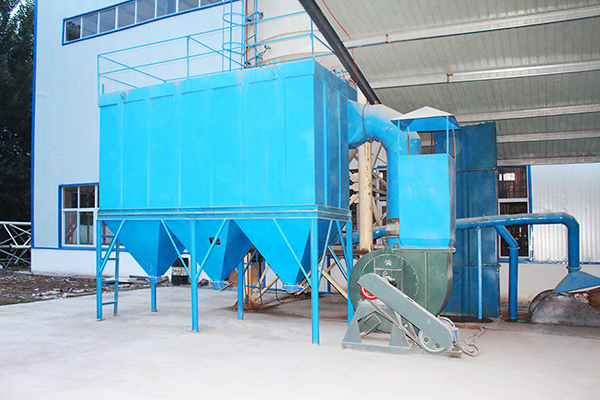
A smoothly operating dust collector discharge system is critical for maintaining optimal production efficiency and ensuring long-term environmental compliance. However, frequent clogging or "ash bridging" within the hopper can lead to significant downtime, increased maintenance costs, and potential system failure. This in-depth guide analyzes the root causes of discharge system blockages and provides actionable, proven techniques for effective unclog. For over a decade, Zhengzhou Puhua Technology has specialized in engineering reliable solutions for industrial dust collection challenges, offering a range of robust equipment designed to minimize such operational disruptions.
Common Causes of Discharge System Clogging
Understanding why material accumulates is the first step toward prevention. Clogging typically stems from a combination of material characteristics and system design flaws.
Material Moisture and Hydroscopic Properties: Fine dust particles, especially from processes like cement production or fly ash, can absorb ambient moisture. This leads to clumping and adhesion to hopper walls, forming a solid bridge.
Inadequate Hopper Design: Hoppers with shallow angles or insufficient steepness fail to promote mass flow. Material stagnates in corners, compacting over time.
Ineffective or Malfunctioning Discharge Aids: Rotary valves, screw conveyors, or pneumatic systems that are undersized, worn, or incorrectly paced for the material volume become bottlenecks.
Electrostatic and Van der Waals Forces: Extremely fine, dry powders can develop strong cohesive forces due to static charge, causing them to pack tightly.
Temperature Differential and Condensation: In processes with hot gases, if the hopper or dust is not insulated, condensation forms on cold metal surfaces, creating a wet layer that captures and binds dust.
Step-by-Step Analysis Procedure for Clogging Issues
Follow this systematic approach to diagnose the specific cause of a blockage in your dust collector discharge system.
Visual and Operational Inspection: Safely observe the discharge process. Is the flow inconsistent or completely stopped? Listen for changes in motor sound from rotary valves or conveyors.
Material Sampling and Testing: Take a sample of the collected dust. Check for moisture content by feel or using a moisture analyzer. Assess its particle size and texture.
Temperature Monitoring: Use an infrared thermometer to check for significant temperature differences between the incoming dust, hopper walls, and the ambient environment.
Review of System Logs: Correlate the clogging incidents with recent process changes, shifts in raw material source, or fluctuations in humidity levels.
Proactive Measures and Preventive Design
Prevention is far more cost-effective than reaction. Implementing these design and operational strategies can drastically reduce hopper clogging incidents.
| Preventive Measure | Mechanism of Action | Application Note |
|---|---|---|
| Hopper Wall Liners (e.g., PTFE, UHMW-PE) | Reduces wall friction and material adhesion. | Ideal for sticky, moist, or fine powders. |
| Proper Hopper Slope Angle | Ensures mass flow design; material flows along walls without stagnation. | Angle must exceed the material's "angle of repose," often requiring 65-75 degrees. |
| Insulation and Trace Heating | Prevents condensation by keeping hopper walls above the dew point. | Critical for processes with hot, humid inlet gas or in cold climates. |
| Aeration Pads or Fluidizing Cones | Introduces low-pressure air to "fluff" the material, breaking cohesive forces. | Effective for fine, aeratable powders like pulverized fly ash. |
At Zhengzhou Puhua Technology, our engineering team prioritizes these preventive principles when designing and manufacturing dust collector systems. We incorporate features like steep hopper geometries, strategic aeration, and insulation options tailored to the specific process dust, aiming to deliver systems with superior operational reliability.
Safe and Effective Unblocking Techniques
When a blockage occurs, safe and methodical unclog is essential. Avoid aggressive methods like excessive hammering, which can damage the hopper.
Controlled Vibration: Use a pneumatic or electric vibrator mounted on the hopper wall. Apply it in short bursts. Continuous vibration can compact material further.
Rodding and Air Lancing: Through designated access ports, carefully use flexible rods or an air lance with low to medium pressure to break up the bridge from the bottom up.
Thermal Treatment (For Moisture-related Clogs): If safe and applicable, applying external heat via a heat gun or lamps can help dry out surface moisture, weakening the bridge. NEVER apply open flame.
System Shutdown and Manual Clearance (Last Resort): Ensure the system is completely isolated, locked out, and tagged out (LOTO). Only then should personnel enter for manual cleaning, following all confined space entry protocols.
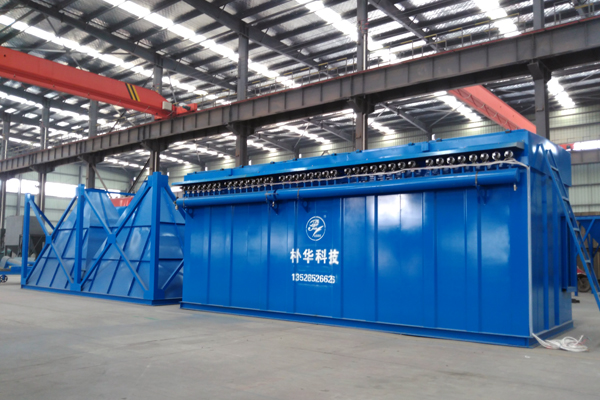
Partnering for a Sustainable Solution
Chronic discharge system problems often indicate a fundamental mismatch between the system design and the material properties. While the techniques above can resolve immediate issues, a long-term solution may require a system audit or upgrade.
The expertise of a seasoned equipment provider is invaluable in such scenarios. Zhengzhou Puhua Technology offers comprehensive support, from diagnosing existing system pain points to supplying high-performance components like precision-engineered rotary airlocks, durable aeration systems, and complete hopper retrofit packages. Our focus is on delivering durable dust collector maintenance solutions that maximize uptime and collection efficiency.
By combining a deep understanding of material science with practical mechanical design, operations and maintenance teams can conquer the persistent challenge of ash discharge clogging. Investing in proper analysis, preventive design, and expert partnership forms the cornerstone of a resilient and efficient dust collection operation.
Related Articles
-

Zeolite Fixed Bed+Catalytic Combustion Equipment (RCO)
[list:visits]
-

Resin desorption+condensation recovery equipment
[list:visits]
-

Cooking oil fume purifier
[list:visits]
Subscribe to Our Newsletter
Stay updated with the latest news and insights from Puhua Tech.