
Winterization Guide: Anti-Freeze & Insulation Measures for Dust Collectors in Cold Seasons
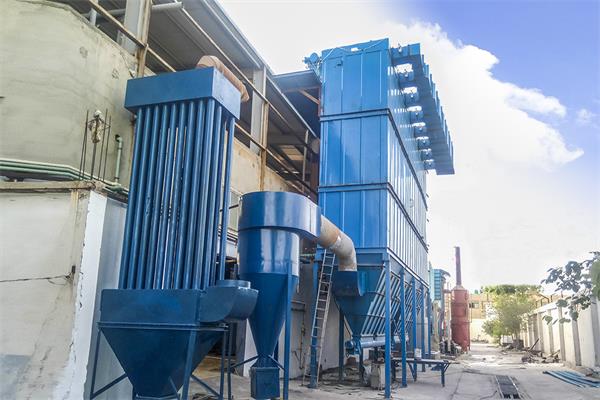
As temperatures plummet, industrial operations face the significant challenge of protecting critical air pollution control equipment from freezing damage. For facilities relying on dust collectors, especially those handling moist gases or operating in wet modes, inadequate cold-weather protection can lead to equipment failure, costly downtime, and compromised emission control. This comprehensive guide outlines essential anti-freeze and insulation strategies to ensure your dust collection system operates reliably and efficiently throughout the winter months.
Implementing robust winterization measures is not merely a maintenance task; it is a crucial operational necessity that safeguards your investment and ensures continuous environmental compliance.
Why Cold Weather Poses a Risk to Dust Collectors
Dust collectors, particularly baghouses and cartridge collectors with pulse-jet cleaning, are vulnerable in freezing conditions. The primary risks include:
Condensation and Ice Formation: Moisture in the compressed air used for bag cleaning or within the process gas itself can freeze, blocking lines, valves, and solenoid ports.
Filter Media Damage: Wet filter bags or cartridges can freeze into solid blocks, preventing proper airflow and causing differential pressure spikes. Thawing can then lead to bag collapse or improper cleaning.
Hopper Discharge Issues: Collected dust in hoppers, especially with residual moisture, can freeze and adhere to walls, causing severe bridging and clogging, which renders the dust discharge system inoperative.
Structural Stress: Expanding ice can crack pipes, fittings, and even weld seams on equipment.
Comprehensive Anti-Freeze & Insulation Measures
1. Compressed Air System Protection
The pulse-jet cleaning system is the most freeze-sensitive component. Protect it with these steps:
Air Dryers: Ensure the compressed air supply line is equipped with a refrigerated or desiccant air dryer to remove moisture before it enters the control cabinet and solenoid valves.
Trace Heating and Insulation: Wrap all compressed air lines, including the main header, blowpipes, and tubing to solenoids, with electric heat tracing cables. Subsequently, encase the pipes and tracing with adequate insulation (e.g., mineral wool or closed-cell foam).
Moisture Drainage: Install and regularly service automatic drains on air receivers and filters to eject condensate.
2. Dust Collector Body and Hopper Insulation
Maintaining the internal temperature above the dew point is critical to prevent condensation.
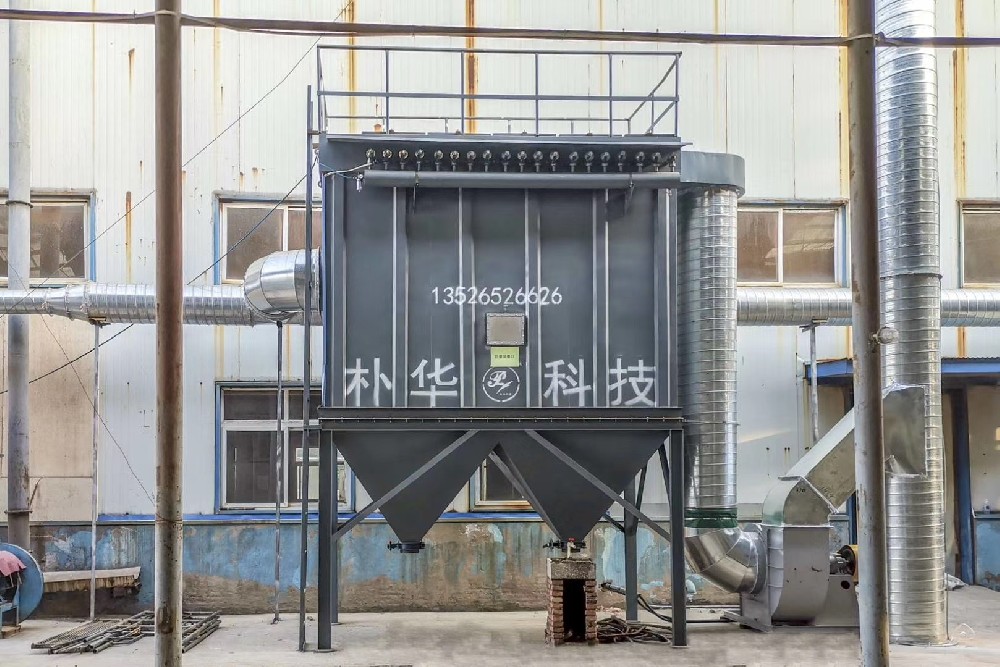
Insulation Cladding: Apply insulation materials to the entire shell of the dust collector, including the hopper. The hopper is a priority area as it is most prone to heat loss and dust bridging.
Hopper Heaters: Install electric hopper heaters (pad or band type) on the lower section of the hopper to prevent collected dust from freezing. These should be controlled by a thermostat.
Sealing Inspection: Check and repair all seals, gaskets, and access doors to prevent cold air ingress and warm air escape.
3. Process Gas Inlet Management
If the incoming process gas has high humidity, consider pre-conditioning:
Gas Temperature: Ensure the inlet gas temperature remains sufficiently above its dew point. If necessary, introduce a small volume of pre-heated air.
Insulated Ductwork: Insulate all inlet and outlet ducts to minimize heat loss.
Recommended Materials for Insulation and Heating
| Component | Recommended Material/Equipment | Purpose |
|---|---|---|
| Air & Gas Pipes | Mineral Wool, Calcium Silicate, Electric Heat Tracing Cable | Prevent freezing, maintain air temperature |
| Dust Collector Shell | Aluminum or Steel Jacketed Rock Wool/Glass Wool Panels | Reduce heat loss, prevent condensation |
| Hopper | Electric Hopper Heater Bands, Insulation Panels | Prevent dust freezing and bridging |
| Valves & Fittings | Pre-formed Insulation Sections, Heat Tape | Protect critical small components |
Pre-Winter Checklist for Dust Collector Maintenance
Inspect and Test Heat Tracing Systems: Verify all circuits are operational before the cold season.
Check Insulation Integrity: Look for damage, gaps, or wet spots in existing insulation and repair promptly.
Service Air Dryers and Drains: Perform maintenance on air treatment equipment to ensure optimal performance.
Verify Control Systems: Calibrate thermostats controlling heaters and review control logic for winter mode operation.
Review Emergency Procedures: Train staff on responses to potential freeze-related issues.
Partnering with Experts for Reliable Winter Solutions
Designing and implementing an effective winterization plan requires deep expertise in both dust collection technology and the specific challenges of low-temperature operation. Zhengzhou Puhua Technology offers extensive experience in this field. As a professional provider of environmental protection equipment, they specialize in the design and manufacturing of robust dust removal systems, including bag dust collectors and pulse-jet dust collectors, engineered for demanding environments.
The technical team at Zhengzhou Puhua Technology can provide tailored guidance on anti-freeze and insulation measures. Their comprehensive product range, including efficient dust removal equipment, is designed with durability and operational continuity in mind, ensuring your facility meets its production and emission control goals year-round, even in the harshest winter conditions. Consulting with such specialists can help you select the appropriate VOCs treatment equipment and dust control solutions that incorporate proactive cold-weather protection features from the design stage.
Conclusion: Proactive Protection Ensures Operational Continuity
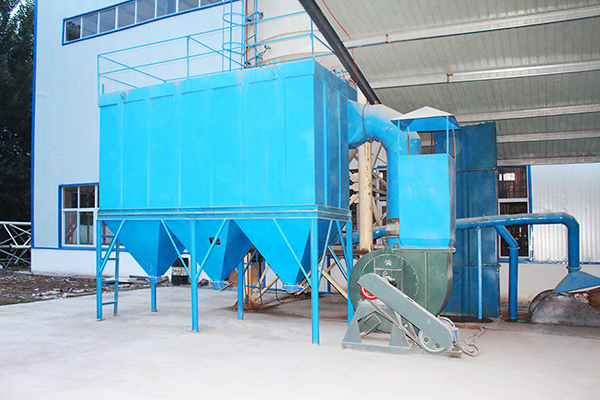
Protecting your dust collector from freezing is a critical and manageable aspect of winter facility management. By understanding the risks and systematically implementing insulation, heating, and maintenance measures—such as securing compressed air systems, insulating the collector body and hopper, and managing process gas temperature—you can prevent costly failures. Proactive planning, potentially supported by the expertise of providers like Zhengzhou Puhua Technology, ensures your air pollution control systems remain a reliable asset, contributing to sustainable and uninterrupted industrial operations throughout the cold season. Invest in these protective measures to safeguard your equipment, maintain compliance, and optimize long-term operational efficiency.
Related Articles
-

Zeolite Fixed Bed+Catalytic Combustion Equipment (RCO)
[list:visits]
-

Resin desorption+condensation recovery equipment
[list:visits]
-

Cooking oil fume purifier
[list:visits]
Subscribe to Our Newsletter
Stay updated with the latest news and insights from Puhua Tech.