
RCO Equipment Safety Design: Explosion Protection, Overheat Protection, Concentration Monitoring
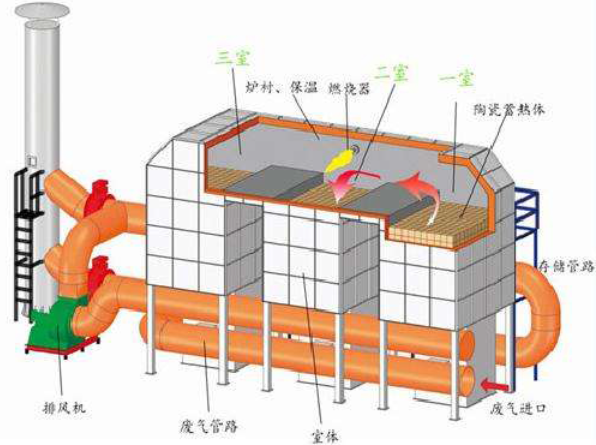
Effective safety design in Regenerative Catalytic Oxidation (RCO) equipment is critical for industrial operations handling volatile organic compounds (VOCs). As environmental regulations tighten and operational risks increase, integrating robust safety features—such as explosion protection, overheat protection, and concentration monitoring—ensures compliance, prevents accidents, and enhances equipment longevity. This article delves into the core principles and practical implementations of these safety measures, providing a comprehensive guide for engineers, plant managers, and safety professionals. By understanding these elements, businesses can optimize their VOC treatment processes while safeguarding personnel and assets.
Why Safety Design is Non-Negotiable for RCO Systems
RCO equipment is widely used in industries like chemical manufacturing, painting, and printing to degrade VOCs through catalytic oxidation at elevated temperatures. However, the process involves inherent risks, including flammable gas accumulation, thermal runaway, and toxic emissions. A proactive safety approach mitigates these hazards, reduces downtime, and aligns with global standards like ISO and OSHA. Neglecting safety can lead to catastrophic failures, making design integrity a top priority.
Explosion Protection: Preventing Catastrophic Failures
Explosion risks in RCO systems often stem from VOC concentration spikes or ignition sources. Key protection mechanisms include:
Flame Arrestors and Ventilation Systems: These devices suppress flame propagation and disperse flammable gases, preventing ignition within the equipment.
Pressure Relief Valves: Installed to release excess pressure during abnormal conditions, averting structural damage.
Inerting Systems: Using nitrogen or carbon dioxide to dilute oxygen levels below combustion thresholds in critical zones.
Integrating these features requires careful calibration based on VOC types and flow rates. For instance, in high-risk environments, redundant systems may be deployed to ensure fail-safe operation. Regular maintenance and testing are essential to sustain effectiveness.
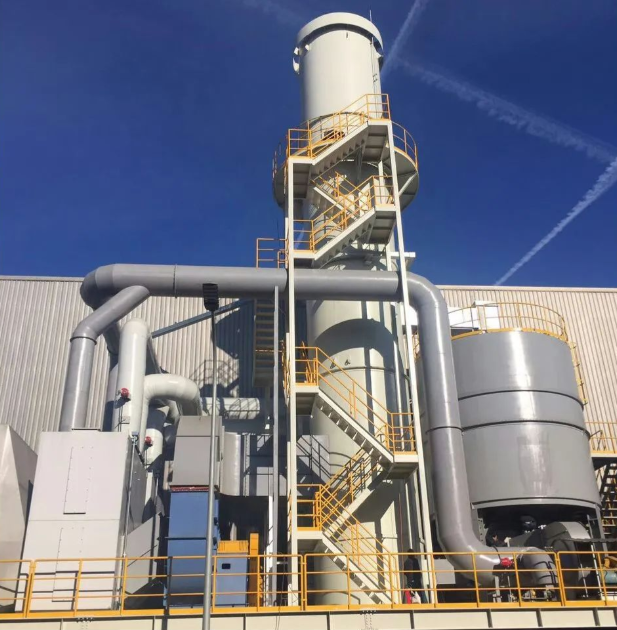
Overheat Protection: Ensuring Thermal Stability
Overheating can degrade catalysts, damage components, and trigger fires. Effective overheat protection involves multiple layers:
Temperature Sensors and Controllers: Real-time monitoring of combustion chambers and catalyst beds to detect anomalies.
Automatic Shutdown Mechanisms: Activating when temperatures exceed safe limits, often paired with alarms for immediate response.
Cooling Systems: Such as air or water cooling units, to dissipate excess heat during peak operations.
A well-designed system balances efficiency with safety, avoiding unnecessary shutdowns while preventing thermal hazards. For example, programmable logic controllers (PLCs) can adjust burner outputs based on sensor data, maintaining optimal temperatures.
Concentration Monitoring: Real-Time Hazard Detection
Continuous concentration monitoring of VOCs and oxygen is vital for preventing explosive atmospheres and ensuring complete oxidation. This involves:
Gas Analyzers and Sensors: Placed at inlet and outlet streams to measure VOC levels, with alerts for超标 concentrations.
Data Logging and Integration: Connecting monitors to central control systems for trend analysis and proactive adjustments.
Calibration Protocols: Regular checks to maintain sensor accuracy, as outlined in manufacturer guidelines.
Advanced systems may use infrared or catalytic bead sensors for precise readings. Below is a summary of key monitoring parameters:
| Parameter | Purpose | Typical Range |
|---|---|---|
| VOC Concentration | Detect flammability risks | Below 25% LEL (Lower Explosive Limit) |
| Oxygen Level | Prevent inerting failures | 19.5-23.5% |
| Temperature | Monitor combustion efficiency | 300-400°C (catalyst zone) |
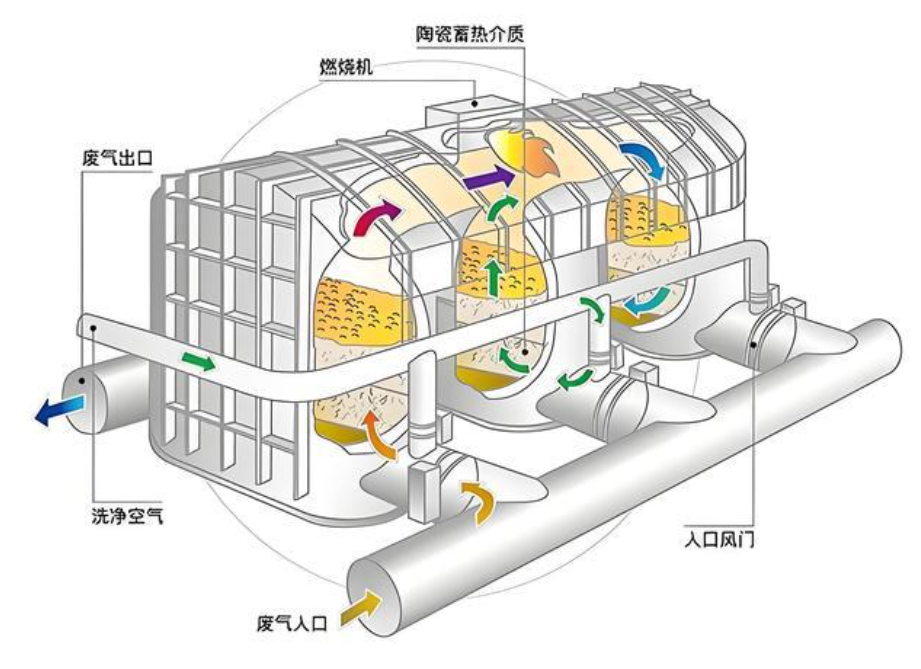
Integrating Safety with Reliability: The Role of Expert Manufacturers
Implementing these safety features demands expertise in engineering and environmental technology. Zhengzhou Puhua Technology, a professional environmental protection equipment manufacturer based in Henan, China, specializes in designing and producing RCO catalytic combustion equipment with integrated safety systems. Their product range includes VOC treatment devices, dust removal systems, and wastewater treatment equipment, all emphasizing robust safety design. For instance, their RCO units incorporate custom防爆,过热保护, and浓度监测 solutions tailored to industrial applications, ensuring compliance and operational continuity. By partnering with such manufacturers, businesses gain access to tailored designs that prioritize hazard prevention.
Best Practices for Maintaining RCO Safety Systems
To maximize safety, adopt a holistic maintenance strategy:
Conduct routine inspections of protection devices, documenting any wear or corrosion.
Train personnel on emergency procedures and system limitations.
Update software and firmware for monitoring systems to leverage latest safety algorithms.
Collaborate with suppliers like Zhengzhou Puhua Technology for technical support and part replacements.
These practices not only extend equipment life but also foster a culture of safety within organizations.
Conclusion
Safety design in RCO equipment—encompassing explosion protection, overheat protection, and concentration monitoring—is essential for mitigating risks in VOC treatment processes. By integrating advanced technologies and adhering to stringent protocols, industries can achieve both environmental and operational goals. As demonstrated by manufacturers such as Zhengzhou Puhua Technology, a focus on safety enhances equipment reliability and supports sustainable industrial growth. For those seeking to upgrade their systems, prioritizing these design elements will yield long-term benefits in safety and efficiency.
Related Articles
-

Zeolite Fixed Bed+Catalytic Combustion Equipment (RCO)
[list:visits]
-

Resin desorption+condensation recovery equipment
[list:visits]
-

Cooking oil fume purifier
[list:visits]
Subscribe to Our Newsletter
Stay updated with the latest news and insights from Puhua Tech.