
Energy-Saving Design for RCO Equipment: Maximizing Efficiency with Waste Heat Recovery and Variable
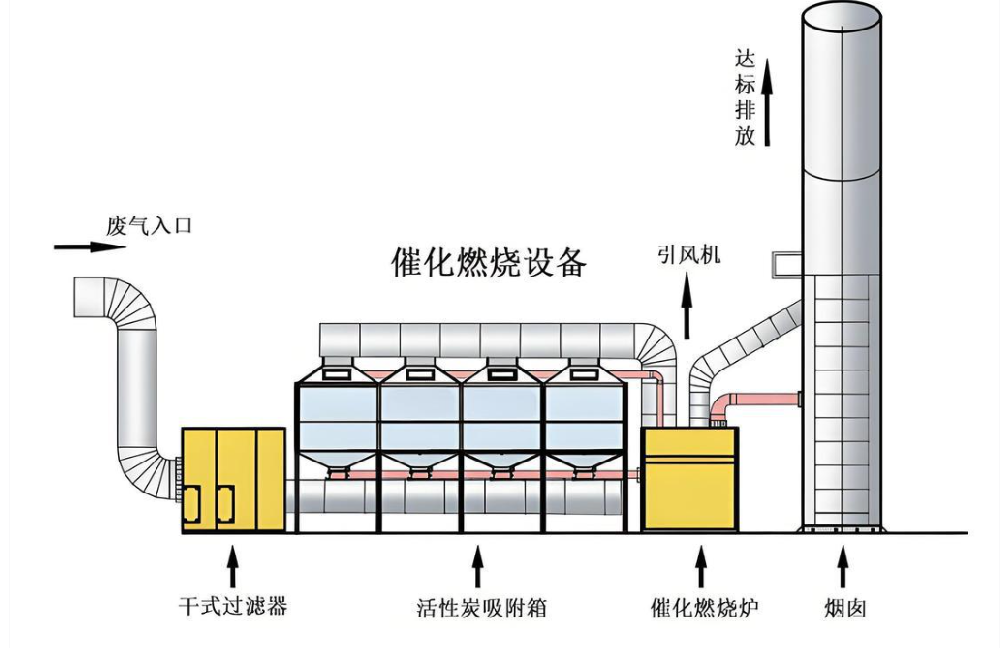
In today's industrial landscape, energy efficiency is not just a cost-saving measure but a critical component of sustainable operations. For facilities utilizing Regenerative Catalytic Oxidizers (RCO equipment), optimizing energy consumption can lead to significant reductions in operational expenses and environmental impact. This article delves into two pivotal energy-saving strategies: waste heat recovery and variable frequency fans. By integrating these technologies, businesses can enhance the performance of their RCO systems while adhering to stringent environmental standards.
Understanding RCO Equipment and Its Energy Challenges
RCO equipment, or Regenerative Catalytic Oxidizers, are widely used for volatile organic compounds (VOCs) abatement in industries such as manufacturing, chemical processing, and printing. While effective, these systems often consume substantial energy due to high-temperature operations and continuous fan usage. Key energy drains include:
Heat generation for catalytic oxidation, typically requiring temperatures between 300°C to 500°C.
Constant air flow maintained by fans to ensure proper VOC treatment and system safety.
Heat loss during the regeneration cycle, which can account for up to 30% of total energy use if not managed efficiently.
Addressing these challenges through smart design is essential for achieving an energy-saving design that balances performance and sustainability.
Waste Heat Recovery: Turning Excess Energy into Savings
Waste heat recovery is a cornerstone of energy-efficient RCO equipment. This process captures thermal energy from the oxidizer's exhaust stream and repurposes it for other industrial applications, thereby reducing the need for additional fuel or electricity. The benefits are multifaceted:
Lower Fuel Consumption: By preheating incoming process air or other streams, waste heat recovery can cut fuel usage by 20% to 50%, depending on system configuration.
Enhanced System Efficiency: Recovered heat improves the overall thermal efficiency of the RCO unit, leading to faster heat-up times and stabilized operating temperatures.
Reduced Carbon Footprint: Lower energy demand translates to decreased greenhouse gas emissions, aligning with global sustainability goals.
Common waste heat recovery techniques in RCO equipment include heat exchangers, recuperative burners, and integrated thermal oil systems. For instance, a plate heat exchanger can transfer exhaust heat to incoming air, as illustrated below:
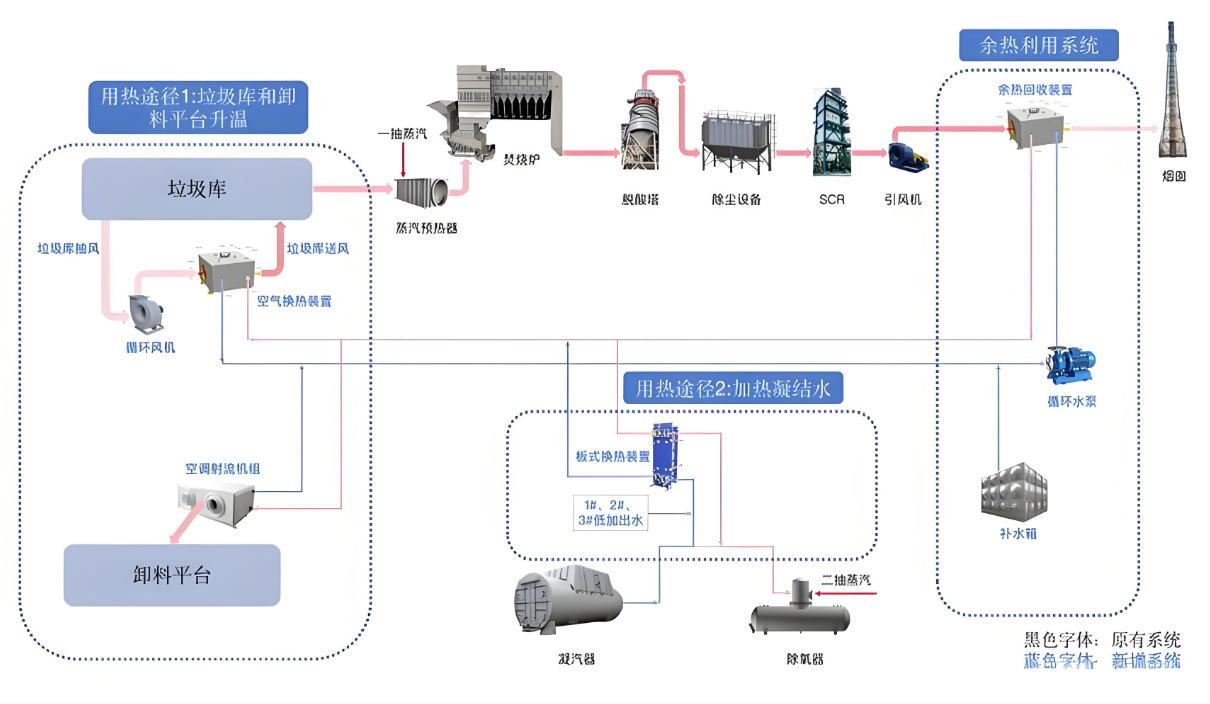
Implementation requires careful design to avoid issues like corrosion or fouling, but the long-term savings are substantial. Companies like Zhengzhou Puhua Technology have pioneered advanced heat recovery solutions tailored for RCO systems, ensuring robust performance in diverse industrial settings.
Variable Frequency Fans: Smart Airflow Control for Energy Savings
Variable frequency fans, also known as Variable Frequency Drive (VFD) fans, are another critical element in energy-saving design for RCO equipment. These fans adjust motor speed based on real-time airflow demands, unlike traditional fixed-speed fans that run continuously at full capacity. The advantages include:
Precise Airflow Regulation: VFD fans modulate speed to match VOC load variations, preventing over-ventilation and reducing energy waste.
Lower Electricity Costs: Since power consumption is proportional to fan speed, reducing speed by 20% can save up to 50% in energy, according to affinity laws.
Extended Equipment Lifespan: Soft starting and reduced mechanical stress minimize wear on fan components, lowering maintenance needs.
In RCO applications, VFD fans are often integrated with sensors that monitor pressure drops, temperature, and VOC concentrations. This allows for automated adjustments, ensuring optimal combustion conditions while conserving energy. Below is a comparison of fixed-speed vs. variable frequency fans in RCO systems:
| Feature | Fixed-Speed Fans | Variable Frequency Fans |
|---|---|---|
| Energy Usage | High, constant consumption | Adaptive, reduced during low loads |
| Control Flexibility | Limited to on/off or dampers | Precise speed modulation |
| Maintenance Costs | Higher due to constant strain | Lower with reduced operational stress |
| Typical Energy Savings | Baseline (0%) | 20% to 60% depending on use case |
Leading providers such as Zhengzhou Puhua Technology offer customized VFD fan setups that seamlessly integrate with RCO catalytic combustion equipment, enhancing overall system reliability and efficiency.
Integrating Waste Heat Recovery and Variable Frequency Fans for Optimal Performance
The true potential of energy-saving design emerges when waste heat recovery and variable frequency fans are combined in RCO equipment. This synergistic approach addresses multiple energy loss points simultaneously. For example:
Holistic Energy Management: Recovered heat can preheat air streams, reducing the load on combustion systems, while VFD fans adjust airflow to maintain ideal temperatures, further minimizing fuel use.
Enhanced Process Stability: Integrated controls allow real-time optimization, ensuring that heat recovery and fan speed are coordinated to handle fluctuating VOC inputs without compromising treatment efficiency.
Cost-Benefit Analysis: While upfront investments may be higher, the payback period for such integrated systems is typically 1 to 3 years, thanks to reduced utility bills and lower maintenance expenses.
Case studies from industries like automotive painting or pharmaceutical manufacturing show that combined systems can achieve overall energy savings of 30% to 70%. Zhengzhou Puhua Technology, as a reputable environmental protection equipment manufacturer in Henan, specializes in designing such integrated solutions. Their product range includes RCO catalytic combustion devices, RTO equipment, VOCs treatment systems, and auxiliary components like desulfurization towers and denitrification equipment, all engineered for energy efficiency.
Practical Considerations for Implementing Energy-Saving Designs
Adopting waste heat recovery and variable frequency fans in RCO equipment requires careful planning. Key steps include:
System Assessment: Conduct an energy audit to identify specific loss areas and potential savings. This involves analyzing current RCO performance, VOC loads, and thermal profiles.
Technology Selection: Choose appropriate heat exchanger types (e.g., shell-and-tube or plate) and VFD fan specifications based on operational needs. Consult with experts like Zhengzhou Puhua Technology for tailored recommendations.
Installation and Integration: Ensure proper sizing and placement to avoid interference with existing processes. Use programmable logic controllers (PLCs) for seamless automation.
Monitoring and Maintenance: Implement sensors and data logging to track energy usage and system health. Regular inspections can prevent issues like heat exchanger fouling or fan misalignment.
By following these guidelines, facilities can maximize the benefits of their energy-saving design while extending the lifespan of RCO equipment.
Conclusion: The Future of Energy-Efficient RCO Systems
In summary, waste heat recovery and variable frequency fans represent transformative technologies for enhancing the energy-saving design of RCO equipment. When implemented effectively, they not only reduce operational costs but also support environmental stewardship through lower emissions. As industries worldwide strive for greener practices, integrating these solutions becomes imperative. Partners like Zhengzhou Puhua Technology—with expertise in dust control, desulfurization, denitrification, VOCs abatement, pneumatic conveying, and wastewater treatment—offer reliable equipment and innovative designs to meet these challenges. Embracing these advancements will pave the way for more sustainable industrial operations, where RCO systems operate at peak efficiency with minimal energy waste.
Related Articles
-

Zeolite Fixed Bed+Catalytic Combustion Equipment (RCO)
[list:visits]
-

Resin desorption+condensation recovery equipment
[list:visits]
-

Cooking oil fume purifier
[list:visits]
Subscribe to Our Newsletter
Stay updated with the latest news and insights from Puhua Tech.