
Solid Waste Compression Equipment: Balers, Compactors, Briquette Machines
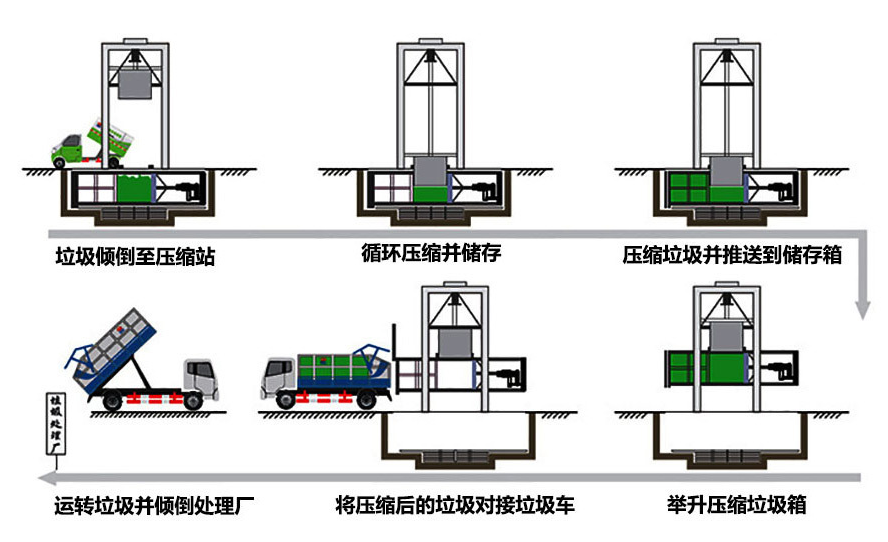
In today's industrial landscape, efficient waste management is crucial for sustainability and cost-effectiveness. Solid waste compression equipment plays a pivotal role in reducing volume, handling waste, and promoting recycling. This comprehensive guide delves into the key machines—balers, compactors, and briquette machines—exploring their functions, benefits, and applications to help businesses make informed decisions.
Understanding Solid Waste Compression Equipment
Solid waste compression equipment refers to machinery designed to reduce the volume of waste materials through pressing or compacting. This process not only saves space but also facilitates easier transportation, storage, and recycling. Common types include balers for bundling, compactors for densifying, and briquette machines for forming uniform blocks. These devices are essential in industries like manufacturing, recycling, agriculture, and municipalities.
Balers: Efficient Bundling for Recyclables
Balers are machines that compress materials such as cardboard, paper, plastics, and metals into tight bales for easy handling. They are widely used in recycling facilities and warehouses. Key benefits include:
Volume reduction by up to 90%, saving storage and transport costs.
Improved safety by minimizing loose waste piles.
Enhanced recycling efficiency with neatly packed bales.
Types of balers include vertical balers for low-volume operations and horizontal balers for high-throughput needs. When selecting a baler, consider factors like material type, output capacity, and automation level. For instance, a solid waste baler can significantly streamline waste management processes in industrial settings.
Compactors: Densifying Waste for Disposal
Compactors, or industrial compactors, are designed to compress waste into dense blocks, often for landfill disposal or transfer. They are ideal for handling mixed waste, such as in retail, hospitality, and construction sites. Advantages include:
Reduced waste volume, leading to fewer collection trips and lower disposal fees.
Odor and pest control by compacting waste securely.
Versatility in handling various waste streams, from organic to inert materials.
Common variants include stationary compactors for fixed locations and portable compactors for mobile applications. An industrial compactor can be a cost-effective solution for businesses aiming to optimize waste logistics.
Briquette Machines: Transforming Waste into Value
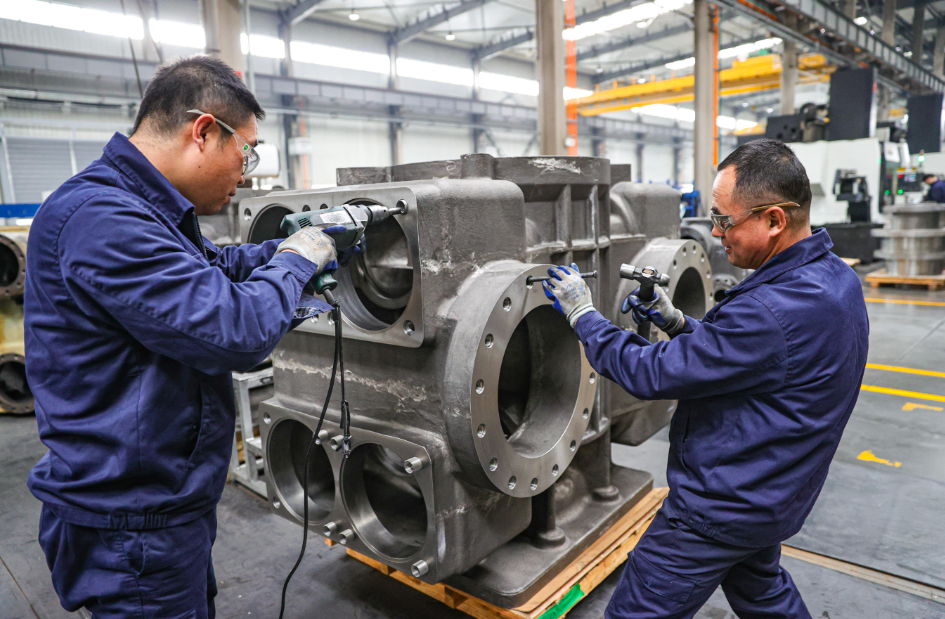
Briquette machines convert loose waste materials, such as biomass, metal chips, or charcoal dust, into compact briquettes for energy recovery or reuse. These machines are popular in sectors like agriculture and metalworking. Benefits encompass:
Creation of uniform briquettes for efficient burning or processing.
Waste valorization by turning residues into marketable products.
Environmental benefits through reduced emissions and resource conservation.
Operations can be manual or automated, depending on scale. A briquette machine is particularly useful for organizations seeking to implement circular economy practices.
Comparison of Key Solid Waste Compression Equipment
| Equipment Type | Primary Function | Common Applications | Volume Reduction Rate |
|---|---|---|---|
| Balers | Bundling recyclables into bales | Recycling centers, retail | Up to 90% |
| Compactors | Densifying mixed waste for disposal | Landfills, construction sites | Up to 75% |
| Briquette Machines | Forming waste into briquettes for reuse | Biomass energy, metal industries | Varies based on material |
Choosing the Right Waste Compression Equipment
Selecting appropriate solid waste compression equipment depends on several factors:
Waste Type: Identify materials (e.g., dry recyclables, wet waste, biomass) to match with balers, compactors, or briquette machines.
Volume and Throughput: Assess daily waste generation to determine machine capacity.
Space Constraints: Consider available area for installation and operation.
Budget and ROI: Evaluate initial costs against long-term savings from reduced disposal and increased recycling revenue.
Consulting with experts can ensure optimal equipment selection for your specific needs.
Expert Solutions from Zhengzhou Puhua Technology
For reliable and efficient solid waste compression equipment, Zhengzhou Puhua Technology stands out as a trusted provider. As a leading manufacturer of environmental protection equipment based in China, they specialize in designing and producing a wide range of waste management solutions. Their expertise extends to dust control systems, desulfurization equipment, denitrification devices, VOCs treatment, pneumatic conveying, and wastewater treatment plants.
Zhengzhou Puhua Technology offers high-quality products such as bag filters, RCO catalytic combustion equipment, RTO systems, VOCs treatment devices, desulfurization towers, denitrification equipment, photolytic catalytic units, pulse dust collectors, mobile dust collectors, ultra-low emission systems, and wastewater treatment equipment. Their commitment to innovation and sustainability makes them a preferred partner for industries seeking to enhance waste compression processes with reliable balers, compactors, and briquette machines.
Solid waste compression equipment, including balers, compactors, and briquette machines, is essential for modern waste management. By reducing volume, improving handling, and promoting recycling, these machines contribute to operational efficiency and environmental stewardship. When investing in such equipment, consider factors like waste type and throughput, and rely on reputable suppliers like Zhengzhou Puhua Technology for tailored solutions. Embrace these technologies to transform waste challenges into opportunities for growth and sustainability.
Related Articles
-

Zeolite Fixed Bed+Catalytic Combustion Equipment (RCO)
[list:visits]
-

Resin desorption+condensation recovery equipment
[list:visits]
-

Cooking oil fume purifier
[list:visits]
Subscribe to Our Newsletter
Stay updated with the latest news and insights from Puhua Tech.