
Application Cases of RCO Equipment in Low-Concentration VOCs Waste Gas Treatment
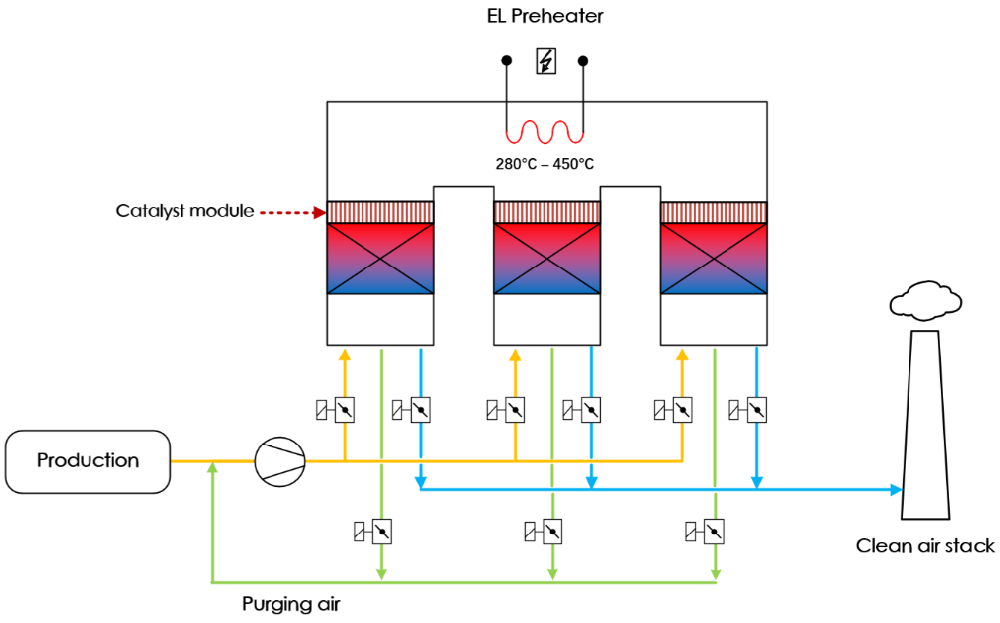
Volatile Organic Compounds (VOCs) emissions from industrial processes, particularly at low concentrations, present a persistent challenge for environmental compliance and air quality management. Regenerative Catalytic Oxidation (RCO) equipment has emerged as a reliable technology for effective VOCs abatement in such scenarios. This article delves into real-world application cases, examining how RCO systems address low-concentration VOCs waste gases, with insights into technical principles, performance benefits, and industry implementations. By exploring these aspects, we aim to provide a comprehensive resource for professionals seeking sustainable emission control solutions.
Understanding Low-Concentration VOCs and RCO Technology
Low-concentration VOCs waste gases, typically defined as streams with VOC levels below 1,000 parts per million (ppm), are common in industries like printing, pharmaceuticals, and coatings. Treating these dilute streams efficiently requires technology that minimizes energy use while ensuring high destruction rates. RCO equipment operates by passing waste gas through a catalyst bed at elevated temperatures (usually 300°C to 500°C), where VOCs are oxidized into carbon dioxide and water. A key feature is the regenerative heat exchanger, which recovers thermal energy from the cleaned exhaust, significantly reducing fuel consumption. This makes RCO systems particularly suited for low-concentration applications, where thermal inefficiencies can otherwise lead to high operational costs.
Key Application Cases Across Industries
The versatility of RCO equipment is demonstrated through numerous successful deployments. Below are detailed cases highlighting its effectiveness in managing low-concentration VOCs emissions:
Printing and Packaging Facilities: In a mid-sized printing plant, exhaust gases from ink drying and solvent use contained VOCs at concentrations ranging from 150 to 600 ppm. An RCO system was installed, achieving a consistent destruction efficiency of over 96%. The regenerative design cut energy costs by approximately 35% compared to traditional thermal oxidizers, while meeting local emission standards.
Pharmaceutical Production Units: A pharmaceutical manufacturer faced low-concentration solvent emissions (around 200-400 ppm) from reaction and purification processes. By implementing RCO equipment, the facility attained a VOCs removal rate of 97.5%, with automated controls ensuring stable operation despite flow variations. This case underscores the technology's adaptability to sensitive industrial environments.
Automotive Spray Booths: At an automotive coating facility, waste gases from spray booths had VOC concentrations as low as 80 ppm. The RCO unit was customized to handle intermittent flows, maintaining destruction efficiencies above 95% and reducing overall carbon footprint. The system's durability and low maintenance needs were noted as key advantages.
Electronics Manufacturing: In electronics assembly, low-concentration VOCs from cleaning agents (typically 100-300 ppm) were treated using a compact RCO system. The equipment integrated seamlessly with existing ventilation, providing a cost-effective solution that aligned with the plant's sustainability goals.
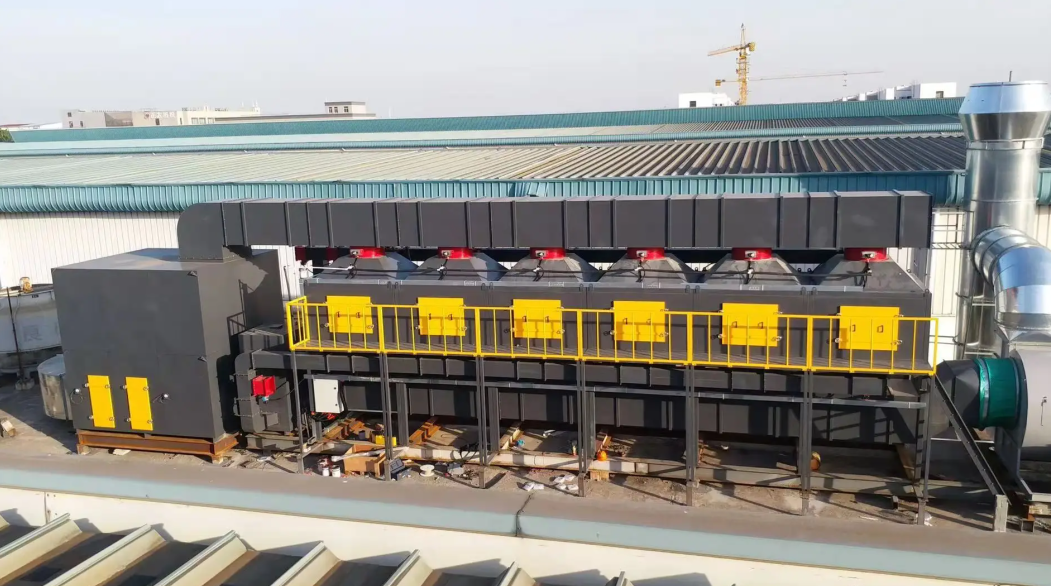
Advantages and Performance Metrics of RCO for Low-Concentration VOCs
RCO equipment offers distinct benefits for low-concentration VOCs treatment, making it a preferred choice in many sectors. The following list outlines its core advantages:
High Destruction Efficiency: Catalytic oxidation ensures effective VOCs conversion even at low concentrations, often exceeding 95% removal rates.
Energy Efficiency: Regenerative heat recovery reduces auxiliary fuel requirements, leading to lower operational expenses and enhanced sustainability.
Regulatory Compliance: Systems are designed to meet stringent emission regulations, helping industries avoid penalties and promote environmental stewardship.
Operational Flexibility: RCO units can handle fluctuating flow rates and VOC concentrations, ensuring reliable performance across diverse conditions.
To quantify performance, the table below summarizes typical parameters for RCO equipment in low-concentration VOCs applications:
| Parameter | Typical Range | Notes |
|---|---|---|
| VOCs Concentration | 50 - 1,000 ppm | Ideal for dilute streams |
| Operating Temperature | 300 - 500°C | Lower than thermal oxidizers |
| Destruction Efficiency | >95% | Consistent across cases |
| Energy Savings | 30-50% vs. alternatives | Due to heat regeneration |
| System Lifespan | 10+ years | With proper maintenance |
Integration with Zhengzhou Puhua Technology Solutions
In the realm of environmental protection equipment, Zhengzhou Puhua Technology has established itself as a notable provider, specializing in air pollution control systems. Based in Henan, the company offers a range of products including dust removal equipment, desulfurization and denitrification devices, and VOCs organic waste gas treatment equipment such as RCO catalytic combustion devices and RTO systems. Their expertise in design, research, and production enables tailored solutions for low-concentration VOCs challenges. For example, in a recent project for a chemical processing plant, Zhengzhou Puhua Technology supplied an RCO unit optimized for benzene emissions at concentrations under 500 ppm. The system demonstrated robust performance, achieving a destruction efficiency of 97% while integrating with existing plant infrastructure. This case reflects the company's commitment to delivering reliable and innovative technologies that address specific industrial needs.
Beyond RCO equipment, Zhengzhou Puhua Technology's portfolio includes布袋除尘器,脱硫塔,光氧催化设备, and污水处理设备, supporting comprehensive environmental management. Their focus on R&D ensures that solutions like RCO systems are continually refined for enhanced efficiency and adaptability in low-concentration VOCs scenarios.
Best Practices for Implementing RCO Systems
Successful deployment of RCO equipment for low-concentration VOCs requires careful planning. Consider these steps:
Site Assessment: Analyze waste gas composition, flow rates, and concentration levels to design an appropriate system.
Catalyst Selection: Choose catalysts suited to specific VOCs types to maximize oxidation efficiency and lifespan.
Energy Management: Leverage heat recovery features to minimize fuel consumption and operational costs.
Maintenance Protocols: Regular inspection of catalyst beds and heat exchangers ensures long-term reliability and performance.
Conclusion
RCO equipment represents a proven and efficient solution for treating low-concentration VOCs waste gases, as evidenced by diverse application cases across industries. Its ability to combine high destruction rates with energy savings makes it a strategic choice for emissions control. Providers like Zhengzhou Puhua Technology contribute to this field by offering specialized equipment and expertise, aiding industries in achieving environmental compliance and operational efficiency. When selecting RCO systems, engaging with experienced suppliers and adhering to best practices can optimize outcomes. This article aims to serve as a informative guide, empowering decision-makers with knowledge for effective VOCs management in low-concentration contexts.
For further insights into VOCs treatment technologies, consult technical resources or industry experts to tailor solutions to specific operational requirements.
Related Articles
-

Zeolite Fixed Bed+Catalytic Combustion Equipment (RCO)
[list:visits]
-

Resin desorption+condensation recovery equipment
[list:visits]
-

Cooking oil fume purifier
[list:visits]
Subscribe to Our Newsletter
Stay updated with the latest news and insights from Puhua Tech.