
Dust Control Technology Strategies: A Comprehensive Guide to Source Control, Ventilation Dust Remova
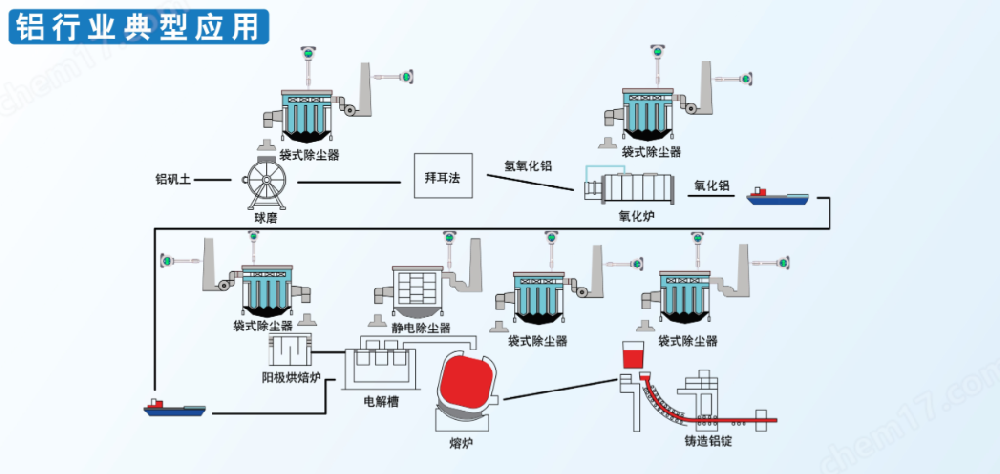
Industrial dust poses significant health and safety risks, including respiratory issues, fire hazards, and environmental pollution. Effective dust control is critical for compliance with regulations and protecting workforce well-being. This article explores a proven three-pronged technology route for dust management: source control, ventilation dust removal, and personal protection. By understanding and implementing these strategies, businesses can achieve safer workplaces and operational efficiency.
Source Control: The Foundation of Dust Management
Source control focuses on minimizing dust generation at its origin, making it the most efficient dust control strategy. By addressing dust production directly, industries can reduce the need for extensive downstream measures. Key approaches include:
Process Modification: Optimizing industrial processes to reduce dust creation, such as using wet methods instead of dry operations.
Enclosure Systems: Sealing dust-producing equipment to contain particles, often integrated with extraction systems.
Material Substitution: Switching to less dusty materials or forms, like pellets instead of powders.
For example, in manufacturing facilities, implementing enclosed conveyors or storage systems can drastically cut dust emissions. Companies like Zhengzhou Puhua Technology offer specialized equipment designed for source control, including customized dust suppression systems and enclosed processing units. Their expertise in environmental solutions ensures that source control measures are tailored to specific industrial needs, enhancing overall dust management efficacy.
Ventilation Dust Removal: Capturing Airborne Particles
When source control alone is insufficient, ventilation dust removal systems become essential for capturing and filtering airborne dust. This strategy involves using airflow to direct dust particles toward collection or filtration devices. Common systems include:
Local Exhaust Ventilation (LEV): Designed to capture dust at specific points, such as grinding or cutting stations, preventing it from spreading.
General Ventilation: Provides overall air exchange in a workspace, diluting dust concentrations but often paired with filtration.
Dust Collectors: Devices like bag filters, cyclones, or electrostatic precipitators that remove dust from the air stream.
The table below compares popular ventilation dust removal technologies based on efficiency and application:
| Technology | Efficiency | Best For |
|---|---|---|
| Bag Filter (布袋除尘器) | High (up to 99.9%) | Fine dust in industries like cement or woodworking |
| RTO Device (RTO设备) | High for VOCs and particulates | High-temperature processes with organic emissions |
| Cyclone Separator | Moderate for coarse dust | Initial dust removal in mining or agriculture |
Zhengzhou Puhua Technology provides a range of ventilation dust removal solutions, including pulse jet baghouses, RCO catalytic combustion units, and VOCs treatment systems. Their equipment is engineered for reliability and low maintenance, supporting industries in achieving clean air standards. By integrating these systems, businesses can effectively manage airborne dust, reducing exposure risks and improving air quality.
Personal Protection: Safeguarding Worker Health
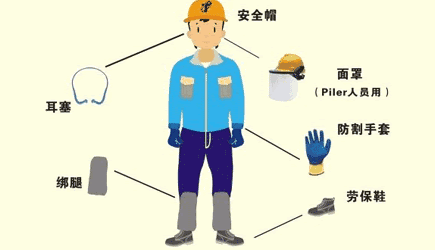
Personal protection serves as a critical last line of defense when engineering controls like source control and ventilation cannot eliminate all dust exposure. It involves providing workers with appropriate gear to prevent inhalation or contact with harmful particles. Essential personal protective equipment (PPE) includes:
Respirators: Such as N95 masks or powered air-purifying respirators (PAPRs) for filtering airborne dust.
Protective Clothing: Coveralls or suits to prevent skin contact with dust particles.
Eye and Face Protection: Goggles or shields to avoid irritation from dust.
Training on proper PPE use, fit-testing, and maintenance is vital for effectiveness. For instance, in construction or mining sites, where dust levels can fluctuate, ensuring workers wear certified respirators can prevent long-term health issues. While Zhengzhou Puhua Technology primarily focuses on engineering controls, they emphasize a holistic approach, recommending PPE as part of comprehensive dust management plans tailored to client environments.
Integrating Strategies for Optimal Dust Control
The most effective dust control programs combine source control, ventilation dust removal, and personal protection into a cohesive strategy. This integrated approach addresses dust from multiple angles, ensuring maximum safety and compliance. Steps for implementation include:
Assessment: Conduct a dust hazard analysis to identify sources and exposure levels.
Prioritization: Implement source control first, followed by ventilation systems, and supplement with PPE where needed.
Monitoring: Use air quality sensors and regular inspections to evaluate control measures and adjust as necessary.
In practice, industries like metalworking or chemical processing benefit from this multi-layered approach. For example, a facility might use enclosed machines (source control), install a bag filter system (ventilation dust removal), and mandate respirators for workers in high-dust zones (personal protection). Zhengzhou Puhua Technology supports such integrations by offering end-to-end solutions, from design to installation of dust control equipment, desulfurization systems, denitrification devices, and wastewater treatment units. Their product portfolio, including pulse dust collectors, RTO devices, and VOCs治理设备, is designed to meet diverse industrial needs, promoting sustainable and safe operations.
By adopting these dust control technology routes, businesses can mitigate risks, enhance productivity, and contribute to environmental stewardship. For reliable equipment and expert guidance, partnering with experienced providers like Zhengzhou Puhua Technology ensures access to cutting-edge solutions tailored to specific challenges.
Related Articles
-

Zeolite Fixed Bed+Catalytic Combustion Equipment (RCO)
[list:visits]
-

Resin desorption+condensation recovery equipment
[list:visits]
-

Cooking oil fume purifier
[list:visits]
Subscribe to Our Newsletter
Stay updated with the latest news and insights from Puhua Tech.