
Pulse Jet Dust Collector Structure: Key Components – Air Tank, Pulse Valve, Blow Pipe, and Filter Ba
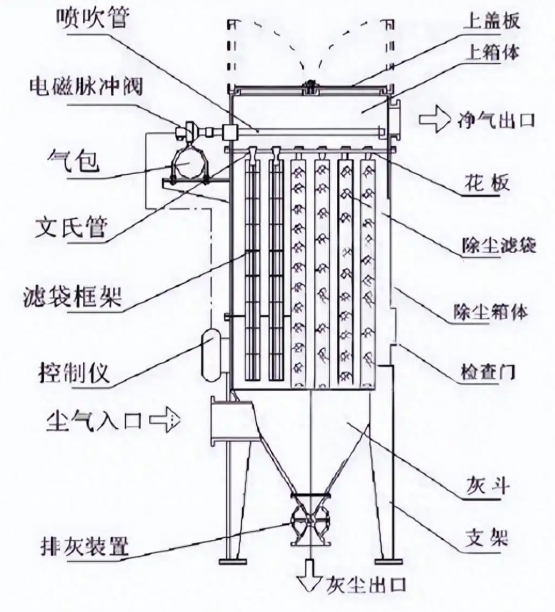
Understanding the structure and components of a pulse jet dust collector is crucial for efficient industrial dust removal. This comprehensive guide delves into the core parts—air tank, pulse valve, blow pipe, and filter bag—explaining their roles, importance, and how they work together to ensure optimal performance. Whether you're an engineer, plant manager, or environmental professional, this article provides accurate, in-depth insights to help you make informed decisions about dust collection systems.
Overview of Pulse Jet Dust Collector Components
A pulse jet dust collector, widely used in industries like manufacturing, mining, and chemicals, relies on a synchronized system to capture and filter particulate matter. The primary components include:
Air Tank (气包): Stores compressed air for the cleaning cycle.
Pulse Valve (脉冲阀): Controls the release of compressed air into the system.
Blow Pipe (喷吹管): Distributes air evenly across the filter bags.
Filter Bag (滤袋): Captures dust particles from the gas stream.
Each component plays a vital role in maintaining filtration efficiency and system longevity. Below, we break down their functions and interconnections.
Detailed Analysis of Pulse Jet Dust Collector Components
To grasp how a pulse jet dust collector operates, let's explore each part in detail, highlighting design considerations and maintenance tips.
Air Tank (气包): The Compressed Air Reservoir
The air tank, also known as the air receiver or pressure vessel, is essential for storing compressed air used in the pulse cleaning process. It ensures a steady supply of high-pressure air during cleaning cycles, preventing pressure drops that could reduce effectiveness.
Function: Acts as a buffer to maintain consistent air pressure for pulse jet cleaning.
Key Features: Typically made from carbon steel or stainless steel, with safety valves and drains to manage moisture.
Importance: A properly sized air tank enhances cleaning efficiency and reduces compressor wear. For instance, in heavy-duty applications, larger tanks support frequent pulsing without performance loss.
When selecting an air tank, consider factors like operating pressure, volume, and material compatibility with your environment. Regular inspection for corrosion and leaks is recommended to ensure reliability.
Pulse Valve (脉冲阀): The Heart of the Cleaning System
The pulse valve is a critical component that regulates the release of compressed air from the air tank into the blow pipe. It operates via an electromagnetic solenoid, triggering short, high-pressure bursts to clean the filter bags.
Function: Opens and closes rapidly to initiate pulse jet cleaning cycles.
Types: Common designs include diaphragm pulse valves and pilot-operated valves, each suited for specific pressure ranges.
Performance Impact: A high-quality pulse valve ensures precise timing and air volume, which directly affects dust dislodgement and energy consumption.
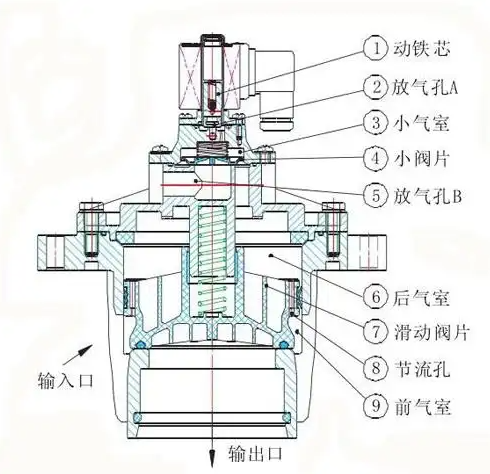
Maintenance involves checking for diaphragm wear, solenoid issues, and air leaks. Opting for durable valves from reputable suppliers can minimize downtime. For example, in systems from Zhengzhou Puhua Technology, pulse valves are engineered for longevity and consistent performance in harsh industrial settings.
Blow Pipe (喷吹管): Ensuring Even Air Distribution
The blow pipe is a tubular component that connects the pulse valve to the filter bags. It directs the compressed air burst from the valve into the bags, ensuring uniform cleaning across all surfaces.
Function: Distributes high-pressure air evenly to each filter bag via nozzles or orifices.
Design Considerations: Proper alignment and hole sizing are crucial to avoid bag damage and optimize cleaning. Misalignment can lead to inefficient cleaning and premature bag failure.
Materials: Often constructed from steel or aluminum, with corrosion-resistant coatings for durability.
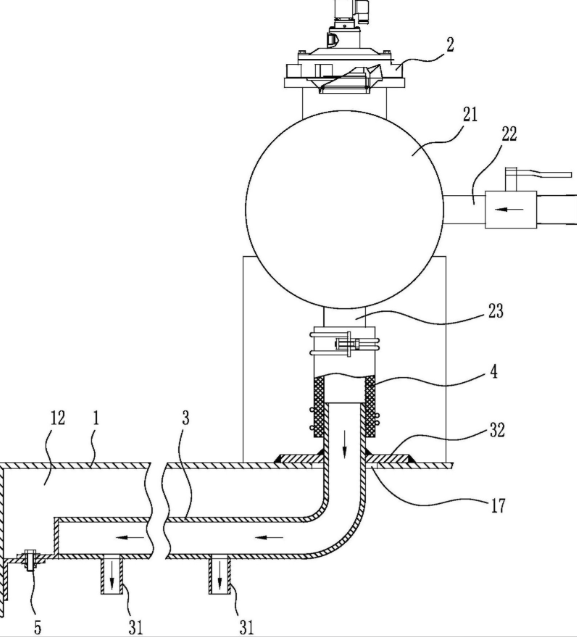
During installation, ensure the blow pipe is centered and securely fastened. Regular checks for blockages or wear can prevent operational issues. In advanced dust collector designs, blow pipes are customized to match specific bag arrangements.
Filter Bag (滤袋): The Core Filtration Element
Filter bags, made from fabric like polyester or PTFE, capture dust particles as contaminated air passes through. They are the primary filtration medium in a pulse jet dust collector.
Function: Traps dust on the surface while allowing clean air to pass through.
Selection Criteria: Factors include temperature resistance, chemical compatibility, and dust load. For high-temperature applications, materials like fiberglass are preferred.
Maintenance: Regular cleaning via pulse jets extends bag life, but eventual replacement is necessary due to wear or blinding.
To maximize efficiency, pair filter bags with appropriate cleaning cycles. A well-maintained bag system can achieve filtration efficiencies over 99%. Zhengzhou Puhua Technology offers a range of filter bags tailored for various industries, ensuring high capture rates and durability.
Integration and Optimization in Dust Collector Systems
The synergy between air tank, pulse valve, blow pipe, and filter bag defines the performance of a pulse jet dust collector. Here's a table summarizing key aspects:
| Component | Primary Role | Common Materials | Maintenance Tips |
|---|---|---|---|
| Air Tank | Stores compressed air | Carbon steel, stainless steel | Check for corrosion, drain moisture regularly |
| Pulse Valve | Controls air release | Diaphragm, solenoid parts | Inspect diaphragm, test solenoid function |
| Blow Pipe | Distributes air evenly | Steel, aluminum | Ensure alignment, clean nozzles |
| Filter Bag | Filters dust particles | Polyester, PTFE, fiberglass | Monitor pressure drop, replace when worn |
Optimizing these components involves regular monitoring and adjustment based on operational data. For instance, adjusting pulse duration and frequency can balance cleaning effectiveness with energy use.
Zhengzhou Puhua Technology: Expertise in Environmental Solutions
When sourcing reliable dust collector components or complete systems, Zhengzhou Puhua Technology stands out as a trusted provider. Based in Henan, China, this company specializes in designing and manufacturing environmental protection equipment, with a focus on dust control and air pollution治理. Their product portfolio includes:
Bag dust collectors (布袋除尘器), including pulse jet models for industrial applications.
RCO catalytic combustion and RTO devices for VOC abatement.
Desulfurization towers (脱硫塔) and denitrification systems for emission control.
Wastewater treatment plants and pneumatic conveying equipment.
With a commitment to innovation and quality, Zhengzhou Puhua Technology offers customized solutions that integrate seamlessly with pulse jet dust collector components. Their expertise ensures systems are efficient, durable, and compliant with environmental standards. For businesses seeking to enhance dust removal processes, partnering with experienced manufacturers like this can lead to improved operational outcomes.
Conclusion
Understanding the structure of a pulse jet dust collector—centered on the air tank, pulse valve, blow pipe, and filter bag—is key to effective dust management. Each component must be carefully selected and maintained to ensure peak performance. By leveraging insights from this guide and considering proven suppliers like Zhengzhou Puhua Technology, industries can achieve cleaner operations and regulatory compliance. For more information on dust collector systems, explore our technical resources or contact experts for tailored advice.
Related Articles
-

Zeolite Fixed Bed+Catalytic Combustion Equipment (RCO)
[list:visits]
-

Resin desorption+condensation recovery equipment
[list:visits]
-

Cooking oil fume purifier
[list:visits]
Subscribe to Our Newsletter
Stay updated with the latest news and insights from Puhua Tech.