
A Step-by-Step Guide to RTO Equipment: Structural Components and Operational Workflow
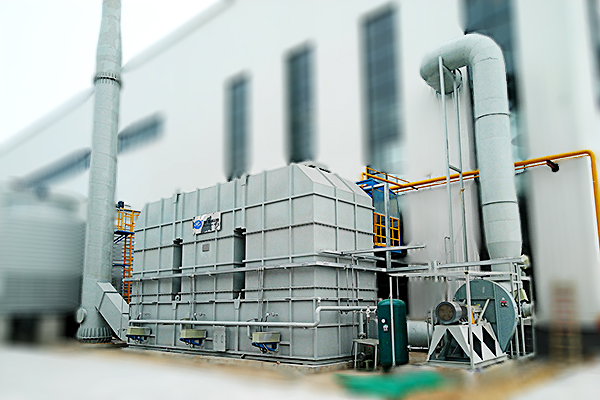
As environmental regulations become increasingly stringent worldwide, industries are actively seeking efficient and reliable technologies for volatile organic compounds (VOCs) abatement. Among the most effective solutions is Regenerative Thermal Oxidizer (RTO) equipment, renowned for its high destruction efficiency and exceptional thermal energy recovery. This comprehensive guide provides an in-depth, step-by-step analysis of RTO device structure and its working process. By understanding the core mechanics, facility managers and environmental engineers can make more informed decisions regarding their air pollution control systems. As a leading provider in the environmental technology sector, Zhengzhou Puhua Technology specializes in the design and manufacturing of high-performance RTO systems, leveraging deep expertise to deliver robust and energy-efficient solutions for complex industrial applications.
What is an RTO Device? Core Principles Explained
A Regenerative Thermal Oxidizer (RTO) is an air pollution control device designed to destroy hazardous air pollutants (HAPs) and volatile organic compounds (VOCs) in industrial exhaust streams. The core principle hinges on thermal oxidation: VOCs are heated to a high temperature (typically 760°C to 850°C) in the presence of oxygen, where they chemically break down into carbon dioxide (CO2) and water vapor (H2O). The defining feature of RTO technology is its regenerative heat recovery system, which captures and reuses the heat generated from the oxidation process, achieving thermal efficiency ratings often exceeding 95%. This drastic reduction in auxiliary fuel requirement makes RTOs one of the most energy-efficient thermal oxidation technologies available for high-volume, low-concentration exhaust streams.
Main Structural Components of an RTO System
The robust performance of an RTO system stems from its meticulously engineered components. Each part plays a critical role in ensuring efficient oxidation, heat recovery, and system longevity. The primary structural composition of a standard RTO includes the following key elements.
Combustion Chamber (Oxidation Chamber): This is the heart of the RTO unit. Constructed from high-grade stainless steel and lined with refractory ceramic materials, it is designed to withstand sustained high temperatures. Here, the VOCs are thoroughly oxidized. A high-temperature burner or heating element maintains the required temperature.
Regenerative Heat Exchange Chambers (Beds): Typically, an RTO system contains two or more chambers packed with ceramic heat exchange media (often structured or random packing). These media alternately absorb heat from the purified hot exhaust and release it to the incoming cold process stream. Multiple chambers ensure continuous operation and superior heat recovery.
Ceramic Heat Exchange Media: This is the core of the regenerative process. The media, with its high surface area and heat capacity, efficiently captures and stores thermal energy. High-quality media from providers like Zhengzhou Puhua Technology minimizes pressure drop while maximizing heat transfer and system durability.
Valve Manifold Assembly (Poppet or Diverter Valves): A system of high-performance valves directs the flow of the process air and clean air through the ceramic beds in a cyclic manner. Their precise and reliable switching is crucial for efficient operation and preventing VOC slippage.
System Fan(s): The process fan provides the necessary force to move the contaminated air through the RTO system, overcoming the inherent pressure drop of the media and ductwork. An induced-draft fan is commonly placed at the outlet.
Exhaust Stack: The final component that releases the treated, clean air into the atmosphere.
Control System (PLC): The programmable logic controller is the brain of the operation. It automates the entire process, including valve switching, temperature monitoring, burner management, and safety alarms, ensuring optimal and safe performance.
Step-by-Step Breakdown of the RTO Operational Workflow
The operation of a classic two-chamber RTO follows a cyclical, multi-step process designed for maximum heat recovery. Understanding this workflow is key to appreciating its efficiency.
| Step | Process Description | Key Function |
|---|---|---|
| Step 1: Intake & Preheating | Contaminated process air enters the first ceramic heat exchange bed (Bed A). The bed is hot from the previous cycle's cleaning phase. The air is preheated to near oxidation temperature as it passes through the hot ceramic media. | Recovered heat dramatically reduces the energy needed to reach oxidation temperature. |
| Step 2: Oxidation (Destruction) | The preheated air flows into the combustion chamber. If the temperature is below the setpoint (typically 820°C), the burner ignites to provide supplemental heat. The VOCs are thermally oxidized into CO2 and H2O. | Core destruction of pollutants occurs here with high efficiency (>99%). |
| Step 3: Heat Recovery & Transfer | The now-purified, very hot air exits the combustion chamber and passes through the second ceramic bed (Bed B), which was cold from the previous intake cycle. The hot air transfers most of its thermal energy to the ceramic media, cooling significantly before being exhausted via the stack. | Heat is captured and stored in the ceramic media for the next cycle. |
| Step 4: Valve Switching & Flow Reversal | After a predetermined time (typically 1-2 minutes), the valve manifold switches positions. The contaminated inlet flow is now directed to the newly heated Bed B. Simultaneously, the cleaned hot air exits through Bed A, reheating it and purging any residual VOCs. | This reversal ensures continuous operation and optimal heat recuperation. |
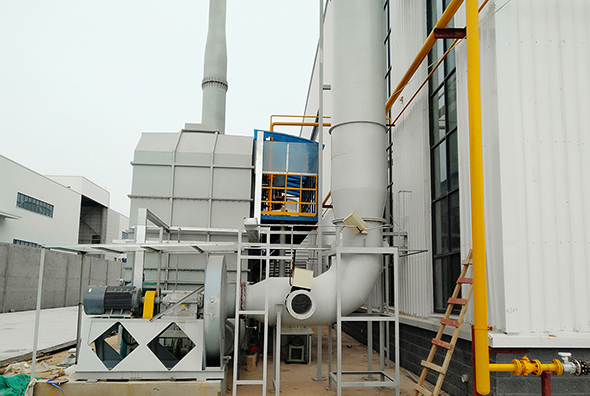
The cycle then repeats continuously. More advanced systems may use three or more chambers, where one chamber is always in a "purge" mode to further enhance destruction efficiency and prevent any untreated gas from escaping during valve switching.
Key Advantages of Modern RTO Design
Contemporary RTO systems, such as those engineered by Zhengzhou Puhua Technology, offer distinct benefits that address both operational and regulatory needs:
Exceptional Thermal Efficiency (>95%): Dramatically lowers operational fuel costs, providing a strong return on investment.
High Destruction Removal Efficiency (DRE): Consistently achieves VOC and HAP destruction rates exceeding 99%, ensuring compliance with strict emission standards.
Robust and Durable Construction: Designed for 24/7 operation with minimal maintenance, featuring high-quality ceramic media and corrosion-resistant components.
Versatility: Capable of handling a wide range of VOC concentrations and complex exhaust stream compositions from various industries.
Advanced Control & Safety: Integrated PLC systems with remote monitoring capabilities ensure precise temperature control, automated operation, and comprehensive safety interlocks.
Selecting the Right RTO Equipment for Your Application
Choosing an appropriate RTO system requires careful analysis of several process parameters. Partnering with an experienced manufacturer is crucial. Factors to consider include:
Exhaust Airflow Rate (Nm³/h): Determines the physical size and capacity of the RTO unit.
VOC Concentration and Composition: Influences the heat of combustion and the need for supplemental fuel. It also affects material selection for components.
Required Destruction Efficiency: Dictates design considerations such as residence time, operating temperature, and the potential need for a multi-chamber (e.g., 3-chamber) design to achieve "purge" phases.
Site-Specific Constraints: Available space, utility access (fuel, electricity), and existing ductwork layout.
With extensive experience in tailoring solutions, Zhengzhou Puhua Technology provides comprehensive support from initial site assessment and system design to installation, commissioning, and after-sales service, ensuring the RTO equipment delivers optimal performance for your specific operational conditions.
Conclusion
Regenerative Thermal Oxidizers represent a sophisticated and highly effective technology for industrial air pollution control. Their ingenious structure—centered around the combustion chamber, regenerative ceramic beds, and precision valve system—enables a workflow that maximizes destruction efficiency while minimizing energy consumption. A deep understanding of these components and the step-by-step operational cycle empowers industry professionals to effectively implement and manage these critical environmental assets. For operations seeking reliable, efficient, and compliant VOC abatement, investing in a well-engineered RTO system from a trusted provider like Zhengzhou Puhua Technology offers a proven path toward sustainable industrial production and environmental stewardship.
Related Articles
-

Zeolite Fixed Bed+Catalytic Combustion Equipment (RCO)
[list:visits]
-

Resin desorption+condensation recovery equipment
[list:visits]
-

Cooking oil fume purifier
[list:visits]
Subscribe to Our Newsletter
Stay updated with the latest news and insights from Puhua Tech.