
Emergency Response Protocol for Combustion Equipment Ignition Failure and Unstable Operation
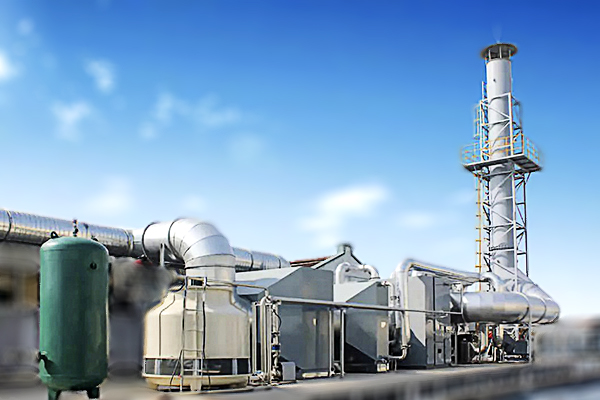
Phase 1: Immediate Safety and Shutdown Procedures
Safety is the paramount concern. Do not attempt repeated ignition without diagnosis.
Initiate Emergency Shutdown (ESD): Immediately activate the system's emergency shutdown sequence to cut off fuel supply and power to the ignition system.
Ventilate the Combustion Chamber: Purge the combustion chamber thoroughly with fresh air to evacuate any unburned fuel or gas mixture. This is crucial to prevent potential explosion upon re-ignition.
Isolate Energy Sources: Manually confirm the closure of fuel supply valves and disconnect relevant electrical circuits where safe and applicable.
Post Clearance Signs: Tag the equipment as "Locked Out" to prevent unauthorized operation during troubleshooting.
Proper purging and isolation form the foundation of safe troubleshooting for any combustion equipment malfunction.
Phase 2: Systematic Diagnosis of Ignition Failure
Once the system is safe, follow this diagnostic checklist to identify the root cause.
| Subsystem | Common Failure Points | Inspection Method |
|---|---|---|
| Fuel Supply | Insufficient pressure/flow, contaminated fuel, valve blockages, regulator failure. | Check pressure gauges, inspect filters for clogging, verify valve actuator signals. |
| Ignition System | Faulty ignition transformer, damaged electrodes (wear/carbon deposit), improper electrode gap, failed spark generator. | Visually inspect electrodes, measure gap, check for spark activity (using a viewport if available). |
| Air & Combustion Air | Incorrect air-fuel ratio, blocked air inlet, damper malfunction, faulty air flow sensor. | Review control system air flow readings, inspect dampers and inlet filters. |
| Control & Safety Interlocks | Tripped flame detector (UV/IR cell), faulty safety valve, PLC program error, interrupted interlock circuit (e.g., pressure switch). | Review control panel alarm history, test interlock continuity, inspect flame scanner sight glass for fouling. |
A methodical approach prevents overlooking simple issues that can cause complex failures.
Phase 3: Addressing Unstable Operation (Flaming Out, Fluctuations)
If ignition occurs but the flame is unstable, focus shifts to combustion dynamics and control stability.
Combustion Parameter Tuning: An improperly tuned air-fuel ratio is a primary culprit. Excess air can cool the flame, while insufficient air creates incomplete combustion. Gradual, measured adjustment is required.
Fuel Quality Analysis: Sudden changes in fuel calorific value or composition (e.g., biogas, solvent-loaded VOCs) can destabilize a previously stable burner. Sampling and analysis may be necessary.
System Pressure Checks: Fluctuations in upstream fuel or exhaust backpressure (e.g., from a blocked filter or damper issue) directly impact flame stability.
Heat Exchanger & Chamber Inspection: For RTO/RCO equipment, internal leakage or blockage in the ceramic beds or heat exchangers can cause severe pre-mixing and operational instability.
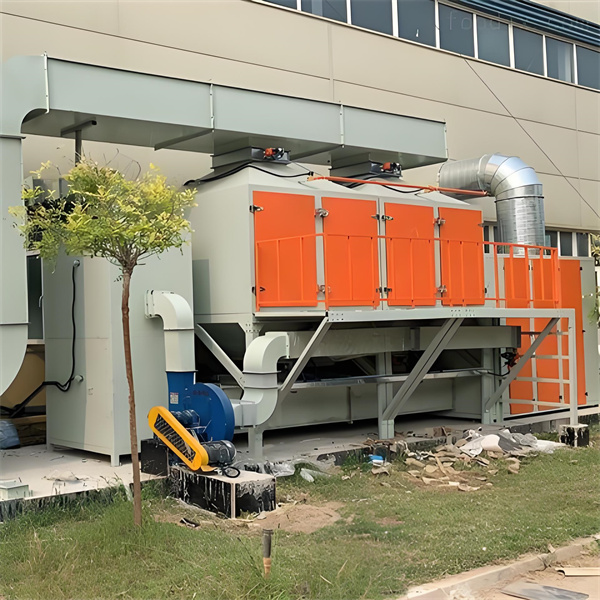
Phase 4: Restoration, Verification, and Prevention
After rectifying the identified fault, a controlled restart and long-term strategy are essential.
Controlled Restart Sequence: Follow the manufacturer's prescribed cold-start procedure. Monitor ignition and stable flame establishment closely.
Performance Verification: Run the equipment under load and verify key parameters (temperature profile, emissions, pressure drop) are within normal ranges.
Document the Incident: Record the fault, diagnostic steps, corrective actions, and parts replaced. This log is invaluable for future troubleshooting.
Implement Preventive Maintenance (PM):
Schedule regular cleaning of ignition electrodes, flame scanners, and fuel filters.
Calibrate key sensors (flow meters, pressure transmitters, thermocouples) annually.
Conduct periodic combustion efficiency analysis to catch drift early.
Partnering for Reliable and Stable Combustion Operations
Complex combustion systems demand deep expertise in thermal oxidation, fluid dynamics, and control logic. For operations relying on critical equipment like RTOs, RCOs, or thermal oxidizers, partnering with an experienced engineering provider is a strategic advantage. Zhengzhou Puhua Technology specializes in the design and optimization of industrial combustion and environmental treatment systems. Our team offers not only robust equipment but also comprehensive technical support, including emergency troubleshooting guidance, operator training, and customized preventive maintenance plans, to ensure your combustion processes achieve reliable ignition, stable long-term operation, and sustained compliance.
Proactive maintenance, informed by systematic diagnostics, is the most effective strategy against unplanned downtime and unsafe operating conditions in combustion equipment.
Related Articles
-

Zeolite Fixed Bed+Catalytic Combustion Equipment (RCO)
[list:visits]
-

Resin desorption+condensation recovery equipment
[list:visits]
-

Cooking oil fume purifier
[list:visits]
Subscribe to Our Newsletter
Stay updated with the latest news and insights from Puhua Tech.