
How to Deal with Sudden Exhaust Gas Concentration Spikes Impacting Combustion Equipment
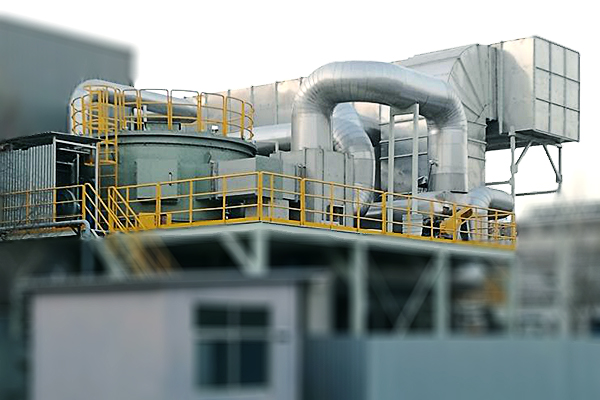
In industrial production, especially in sectors like chemical manufacturing, coating, and pharmaceuticals, exhaust gas concentrations are not always stable. Sudden, sharp increases in VOC (Volatile Organic Compounds) or other combustible component concentrations can deliver a significant impact to combustion treatment equipment like RTO (Regenerative Thermal Oxidizers) and RCO (Regenerative Catalytic Oxidizers). These surges pose serious risks, including equipment damage, safety hazards, and non-compliance with emissions standards. This article provides a systematic strategy to help you effectively manage and mitigate the impact of such unexpected concentration spikes, ensuring operational continuity and safety.
Understanding the Risks: What Happens During a Concentration Spike?
When the concentration of combustible gases or vapors entering a combustion system abruptly rises beyond its design or operational parameters, several critical issues can occur:
Thermal Overload: The sudden excess of combustible matter leads to an intense, rapid exothermic reaction, causing temperatures within the combustion chamber to soar past safe limits. This can damage internal refractory materials, heat exchange media, valves, and instrumentation.
Pressure Fluctuations: The rapid combustion can cause uncontrolled pressure spikes (puffs) within the system, potentially damaging the structure or leading to safety valve activation.
Safety System Trips: Advanced safety controls will typically shut down the system to prevent damage. While this is a safety feature, frequent unplanned shutdowns result in production halts, untreated emissions, and lost productivity.
Incomplete Combustion & Secondary Pollution: If the system cannot handle the surge efficiently, incomplete combustion may occur, leading to the formation of harmful by-products like carbon monoxide or new organic compounds.
Proactive Defense: Key Strategies to Mitigate Impact
Preventing problems is more effective than reacting to them. Here are the core strategies for building a robust defense against concentration spikes.
1. Robust Pre-Treatment and Buffer Systems
The first line of defense is to smooth out concentration fluctuations before they reach the main combustion unit. This often involves:
Installation of Efficient Buffer Tanks: Large-volume buffer tanks or mixing chambers allow for the homogenization of exhaust gas streams, averaging out concentration peaks.
Utilizing Adsorption Concentration Systems (e.g., Zeolite Wheels): These systems can actively absorb VOCs during high-concentration periods and desorb them at a controlled, steady rate into the combustion unit, effectively "flattening" the concentration curve. This is a highly effective method for handling intermittent, high-load processes.
Reliable Pretreatment: Ensuring particulates, moisture, and other contaminants are removed upstream prevents secondary issues during a concentration event.
2. Advanced Monitoring and Real-Time Feedback Control
You cannot manage what you do not measure. A sophisticated monitoring and control system is indispensable.
Real-Time VOC Concentration Monitoring: Install high-response, accurate VOC concentration sensors (like FID or PID) at the inlet of the combustion equipment.
Integrated Control Logic (DCS/PLC): The control system should be programmed to take automatic corrective actions upon detecting a rising concentration trend, such as:
Modulating the fresh air damper to increase dilution air.
Adjusting the fuel supply to the burner for temperature control.
Triggering an alarm for operator intervention at a pre-set threshold.
Initiating a safe, controlled shutdown sequence if limits are exceeded.
3. Equipment Design and Selection with Safety Margins
The inherent design of your combustion equipment plays a crucial role. When selecting or upgrading equipment, consider:
Choosing Equipment with High Turndown Ratio: A high turndown ratio indicates the equipment can operate efficiently at both low and high input rates, offering better handling of fluctuations.
Adequate Thermal Capacity: Ensure the combustion chamber and heat exchange media are sized with a safety factor to handle potential thermal shocks.
Robust Safety Features: Look for features like explosion relief panels, high-temperature alarms, multiple safety shut-off valves, and flame arrestors.
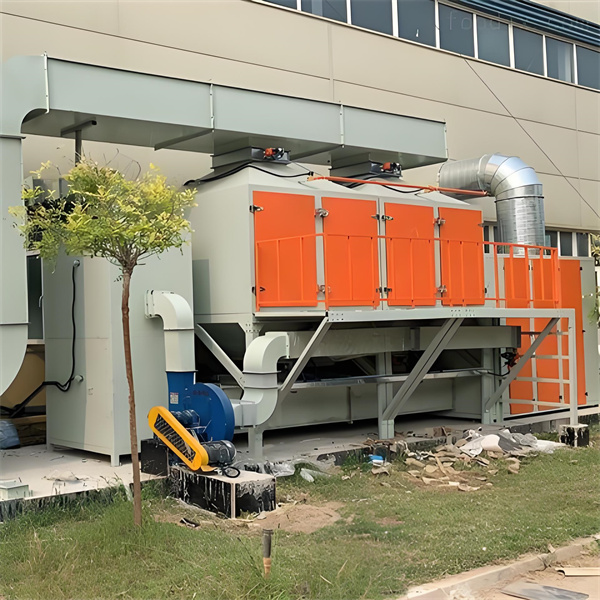
In this regard, the engineering expertise of Zhengzhou Puhua Technology is noteworthy. Their approach to designing RCO catalytic combustion equipment and RTO equipment emphasizes built-in resilience. They integrate comprehensive safety logic and robust construction to better withstand industrial process variabilities, offering clients a more reliable line of defense against operational upsets.
Emergency Response Protocol: What to Do When a Spike Occurs
Despite all precautions, spikes can happen. A clear, practiced emergency response protocol is vital.
| Step | Action | Purpose |
|---|---|---|
| 1. Immediate Recognition | Control system alarms; operator notices rapid temperature/pressure rise. | Initiate timed response. |
| 2. Initial Automated/Manual Response | System or operator opens maximum dilution air damper; may reduce process feed. | To dilute incoming gas and cool the combustion chamber rapidly. |
| 3. Assess & Stabilize | Monitor if temperature trend reverses. Check upstream process for cause. | Determine if the event is controllable or requires shutdown. |
| 4. Execute Controlled Shutdown (if needed) | If parameters exceed safe limits, initiate programmed emergency shutdown (ESD). | To safely isolate the equipment, purge combustibles, and prevent damage. |
| 5. Post-Event Inspection & Restart | After shutdown and cool-down, inspect internal components (refractory, media, valves) for damage before a systematic restart. | To ensure equipment integrity and safe return to operation. |
Long-Term Solutions and Partner Selection
Managing exhaust gas concentration spikes is not a one-time fix but a continuous process of system optimization. Partnering with an experienced and knowledgeable equipment provider is a strategic decision. A provider with deep application experience, like Zhengzhou Puhua Technology, can add significant value. Their service extends beyond supplying standard VOCs Treatment Equipmen (VOCs treatment equipment). They offer critical support in system design integration, control logic programming tailored to specific process risks, and post-installation optimization, helping you build a truly resilient and efficient exhaust gas management system. Their product range, including RCO (Regenerative Catalytic Oxidation) Equipment and Desulfurization Equipment, is designed with such operational challenges in mind.
Conclusion
Sudden exhaust gas concentration spikes are a formidable challenge for combustion equipment, but they are manageable with a multi-layered strategy. This strategy encompasses proactive buffering and pretreatment, intelligent real-time monitoring and control, selecting robustly designed equipment, and having clear emergency procedures. By implementing these measures, plants can protect their valuable assets, ensure operational safety and compliance, and maintain uninterrupted production. Investing in a system designed for resilience, supported by expert engineering, is ultimately an investment in long-term operational stability and peace of mind.
Related Articles
-

Zeolite Fixed Bed+Catalytic Combustion Equipment (RCO)
[list:visits]
-

Resin desorption+condensation recovery equipment
[list:visits]
-

Cooking oil fume purifier
[list:visits]
Subscribe to Our Newsletter
Stay updated with the latest news and insights from Puhua Tech.