
Standard Operating Procedure and Safety Checklist for Equipment Restart After Shutdown

Unplanned equipment shutdowns and subsequent restarts are critical phases in industrial operations, often carrying heightened risks for safety incidents, equipment damage, and production delays. A systematic and safety-first approach is paramount. This comprehensive guide provides a detailed, step-by-step procedure and an essential safety confirmation checklist to ensure a safe, efficient, and compliant restart of your process equipment after any stoppage. Adherence to these protocols minimizes downtime and protects both personnel and assets.
Why a Formal Restart Procedure is Non-Negotiable
Restarting complex industrial systems without a verified plan can lead to catastrophic failures. The primary objectives of a standardized restart protocol are:
Personnel Safety: Preventing exposure to hazardous energy, toxic gases, or moving parts.
Asset Protection: Avoiding mechanical stress, thermal shock, or electrical faults that can damage expensive equipment.
Process Integrity: Ensuring the system returns to optimal operating parameters without quality deviations.
Regulatory Compliance: Meeting OSHA, EPA, and other industry-specific safety and environmental standards.
Implementing a rigorous equipment restart checklist is a cornerstone of modern operational excellence.
Pre-Restart Preliminary Assessment and Planning
Before any physical restart steps begin, a thorough assessment must be conducted.
Identify Shutdown Cause: Determine if the shutdown was planned (maintenance), emergency-driven, or due to a power failure. The root cause dictates specific restart precautions.
Assemble the Restart Team: Designate a qualified team leader and ensure all involved personnel are briefed on their roles and the safety checklist for equipment.
Review Documentation: Consult the equipment's original manual, last shutdown report, and any maintenance work orders completed. For specialized environmental systems, partnering with experienced manufacturers ensures protocol accuracy. Zhengzhou Puhua Technology, a professional provider of dust control, desulfurization, denitrification, and VOCs treatment equipment, emphasizes that proper documentation review is vital for systems like RTOs, RCOs, and scrubbers to prevent thermal or chemical hazards.
Phase 1: Safety Isolation and System Verification (Lockout Tagout - LOTO)
This phase ensures all energy sources are isolated and the equipment is in a safe state for inspection.
Execute Lockout/Tagout (LOTO): Isolate electrical, pneumatic, hydraulic, and chemical feed lines. Use personal locks and tags.
Verify Zero Energy State: Use appropriate test devices to confirm the absence of voltage, pressure, or residual material.
Secure Moving Parts: Ensure fans, rotors, or conveyors are not obstructed and can move freely once energy is restored.
Phase 2: Comprehensive Visual and Functional Inspection
With the system safely isolated, conduct a meticulous inspection.
| Inspection Area | Key Checkpoints |
|---|---|
| Mechanical Components | Check for wear, corrosion, loose bolts, proper lubrication, and seal integrity. |
| Electrical Systems | Inspect cabinets for moisture, check terminals for tightness, look for damaged conduits or cables. |
| Instrumentation & Controls | Verify sensors (pressure, temperature, flow), gauges, and safety interlocks are unobstructed and functional. |
| Safety Devices | Test emergency stops, pressure relief valves, flame arrestors, and gas detection systems. |
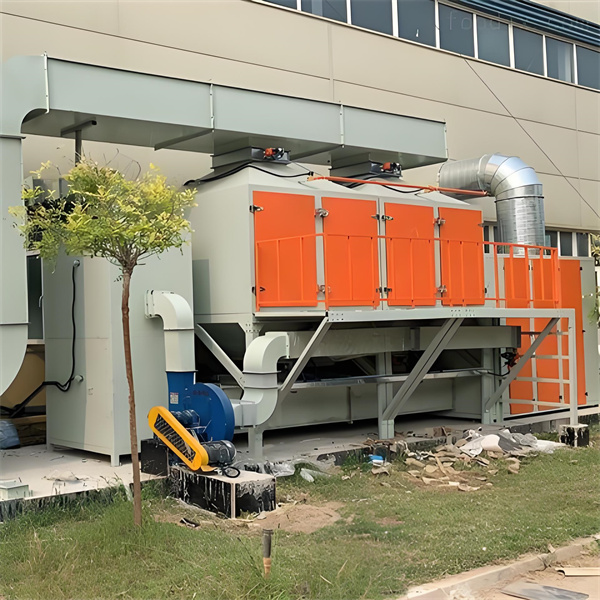
For pollution control equipment such as bag dust collectors or VOCs treatment equipment, specific checks are required. For instance, inspect filter bags for damage, check catalyst bed integrity in RCO systems, and ensure scrubber nozzles are clear. Zhengzhou Puhua Technology designs its pulse jet dust collectors and catalytic combustion equipment with accessible inspection points to facilitate these critical pre-start checks.
Phase 3: Sequential Equipment Restart Procedure
Follow this sequential order to gradually bring systems online.
Restore Auxiliary Systems: Start utilities (cooling water, instrument air, lubrication systems).
Enable Control Power: Energize the control panel and PLC/DC S. Verify all indicators and HMI displays are normal.
Start Support Equipment: Activate pumps, auxiliary fans, and material handling systems (e.g., ash conveyors on a dust collector).
Initiate Main Equipment (Cold Start): Start the main drive (fan, compressor) under no-load or minimum load conditions. Monitor vibration and amperage.
Introduce Process Media: Slowly introduce process gas, wastewater, or materials. Ramp up flow rates gradually to avoid system shock.
Reach Operational Parameters: Carefully heat thermal oxidizers (RTOs) or activate reagent feeds in desulfurization and denitrification equipment according to prescribed ramp-up curves.
The Essential Post-Shutdown Restart Safety Confirmation Checklist
Use this checklist as a mandatory sign-off before and during the restart process. Each item must be confirmed by the responsible personnel.
| Checklist Item | Confirmed (Y/N/NA) | Initials / Date |
|---|---|---|
| 1. Root cause of shutdown analyzed and addressed. | ||
| 2. All maintenance work orders signed off and tools removed. | ||
| 3. LOTO procedure fully applied and verified. | ||
| 4. All personnel are clear of equipment and in safe zones. | ||
| 5. Inspection confirms no mechanical obstructions or damage. | ||
| 6. Safety guards and covers are reinstalled. | ||
| 7. All control system alarms and interlocks are operational. | ||
| 8. Auxiliary systems (cooling, lubrication) are running stably. | ||
| 9. Initial startup is performed at minimum load as per SOP. | ||
| 10. Environmental parameters (emissions, effluent) are monitored and within permit limits post-restart. |
This post-shutdown restart checklist is a generic template. It should be customized for specific assets, such as ultra-low emission equipment or wastewater treatment plants, to include technology-specific steps.
Post-Restart Monitoring and Handover to Operations
The first 24-48 hours after restart are crucial. Implement enhanced monitoring:
Continuous monitoring of key operational parameters (temperature, pressure, flow, emissions).
Frequent visual and auditory checks for leaks, unusual noises, or vibrations.
Detailed logkeeping of all readings and any minor adjustments made.
Formal handover from the restart team to the operations team only after stable operation is confirmed over a defined period.
Choosing reliable equipment designed for stable restarts reduces operational risk. Zhengzhou Puhua Technology integrates robust control logic and high-quality components into its air pollution control equipment and sewage treatment devices to ensure smooth, controlled startup sequences and long-term reliability, supporting plant-wide operational safety and efficiency goals.
Conclusion
A disciplined, checklist-driven approach to equipment restart after shutdown is not merely a recommendation—it is a fundamental requirement for safe and productive operations. By following a detailed standard operating procedure and rigorously completing a comprehensive safety confirmation checklist, organizations can significantly mitigate risks, protect their workforce, extend equipment lifespan, and ensure a rapid return to normal production. Regular training and procedure reviews, potentially in consultation with knowledgeable equipment providers, keep these protocols effective and up-to-date.
Related Articles
-

Zeolite Fixed Bed+Catalytic Combustion Equipment (RCO)
[list:visits]
-

Resin desorption+condensation recovery equipment
[list:visits]
-

Cooking oil fume purifier
[list:visits]
Subscribe to Our Newsletter
Stay updated with the latest news and insights from Puhua Tech.