
Emergency Response Process for Combustion Equipment Ignition Failure and Unstable Operation
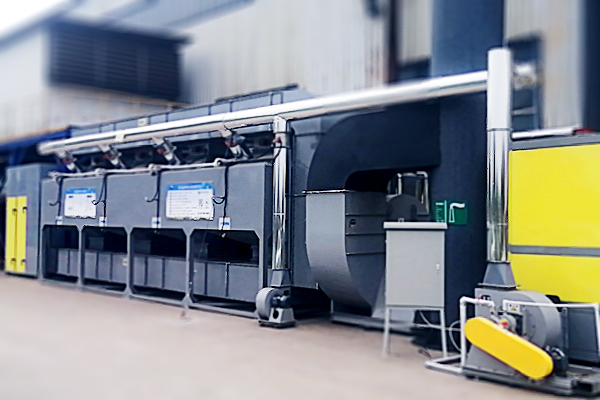
For facilities relying on thermal oxidizers, RTOs, RCOs, or other combustion-based air pollution control systems, unexpected ignition failure or erratic operation is a critical event. It can lead to production halts, safety hazards, and non-compliance with environmental regulations. This guide provides a comprehensive, step-by-step emergency response process to help plant managers and environmental engineers quickly diagnose, address, and prevent these disruptive incidents, ensuring operational continuity and system reliability.
Immediate Safety First Actions
When ignition fails or the unit runs unstably, operator safety and preventing environmental release are paramount. Follow these steps immediately:
Initiate Safe Shutdown: Follow the manufacturer's prescribed emergency shutdown procedure (ESD) to safely de-energize the burner and close fuel supply valves.
Bypass or Divert Process Stream: If integrated with a production line, immediately bypass the contaminated air stream to a holding chamber or, if permitted by regulation, initiate a controlled shutdown of the upstream process to prevent untreated emissions.
Ventilate the Combustion Chamber: Purge the combustion chamber with fresh air to clear any unburned fuel or vapor mixture, reducing the risk of a secondary ignition event.
Post Clear Warning Signs: Isolate the area and clearly tag the equipment as out of service to prevent accidental reactivation.
Structured Troubleshooting Checklist
Once the situation is stabilized, proceed with a systematic diagnosis. Use this checklist to identify the root cause.
| Symptom Category | Potential Causes | Quick Inspection Points |
|---|---|---|
| Ignition Failure |
| Check spark at electrode; verify fuel meter readings; inspect scanner sight glass for fouling; review PLC error codes. |
| Unstable Flames & Operation |
| Analyze process data trends; check pre-heater performance; inspect burner assembly; review differential pressure across inlet filters. |
| Unexpected Shutdowns |
| Review shutdown code from controller; inspect all limit switch positions; check power supply logs and main electrical components. |
Step-by-Step Recovery and Restart Protocol
After identifying and rectifying the root cause, follow a strict restart sequence to avoid repeated failure.
Verification of Repair: Ensure all replaced components (e.g., sensors, valves) are correctly installed and calibrated.
Pre-Start Purge: Initiate a full pre-start purge cycle as per design specifications to ensure the combustion chamber is completely clear of any residual fuels.
Cold Start Test: Attempt a manual ignition in a controlled "test" mode without the process stream to verify burner functionality.
Gradual Re-integration: Slowly reintroduce the process waste stream while closely monitoring combustion temperature, pressure stability, and emission analyzer readings.
Performance Confirmation: Operate for a sustained observation period (e.g., 1-2 hours) to confirm stable destruction efficiency before returning to full automatic operation.
Proactive Prevention and Maintenance Strategy
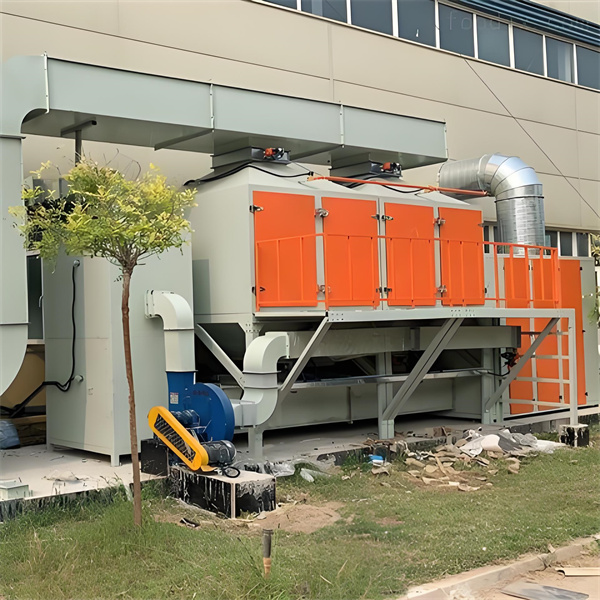
Preventing emergencies is more efficient than reacting to them. Implementing a robust preventive maintenance (PM) program is essential for combustion equipment like RTOs and RCOs.
Daily/Weekly Checks: Visual inspection of flame pattern, recording of key operating parameters (temperature, pressure drop, fuel consumption), and checking for unusual sounds or vibrations.
Monthly Tasks: Cleaning flame scanner sight glasses, testing safety interlocks and valves, verifying calibration of key temperature and pressure transmitters.
Quarterly/Annual Maintenance: Comprehensive burner assembly inspection and cleaning, refractory lining inspection, heat exchanger integrity checks, and full calibration of the control system.
Expert Partnership: For complex systems, partnering with the original equipment manufacturer for regular service ensures access to specialized knowledge and genuine parts.
As a provider of advanced combustion solutions for industrial air purification, Zhengzhou Puhua Technology emphasizes that long-term stability relies not just on equipment quality but on meticulous operation and preventive care. Their engineering team often assists clients in developing customized maintenance schedules and response protocols based on specific process conditions, ensuring that systems like RTOs and catalytic oxidizers deliver consistent, compliant performance.
When to Seek Professional Technical Support
If the issue persists after basic troubleshooting, or involves complex control system faults, structural concerns, or repeated safety shutdowns, it is time to contact professional support. Delaying expert intervention can lead to greater downtime or equipment damage. Provide your technical support team with detailed information, including:
Exact equipment model and serial number.
Complete history of the incident and all error codes displayed.
Steps already taken and parts replaced.
Recent process condition changes.
By following this structured emergency process—prioritizing safety, executing systematic diagnosis, adhering to careful restart procedures, and committing to preventive maintenance—facilities can significantly reduce the operational and financial impact of combustion system failures. A reliable and well-maintained thermal oxidation system is a critical asset for sustainable industrial production.
Related Articles
-

Zeolite Fixed Bed+Catalytic Combustion Equipment (RCO)
[list:visits]
-

Resin desorption+condensation recovery equipment
[list:visits]
-

Cooking oil fume purifier
[list:visits]
Subscribe to Our Newsletter
Stay updated with the latest news and insights from Puhua Tech.