
Essential Guide: Operating Waste Gas Treatment Equipment in Cold Winter Temperatures
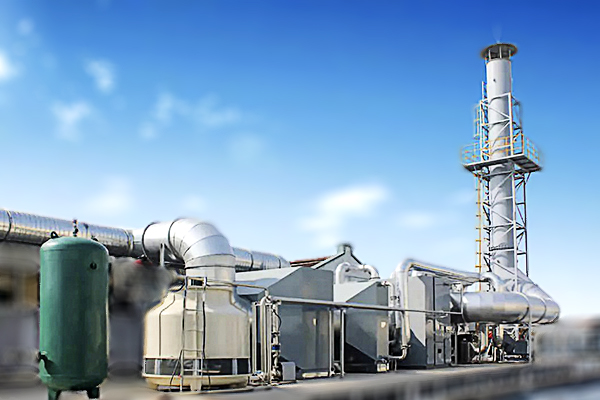
As winter approaches, industrial facilities face a unique set of challenges in maintaining air quality compliance. Cold temperatures can significantly impact the performance and efficiency of waste gas treatment systems. Proactive winterization is not just advisable; it's critical for uninterrupted operation, regulatory adherence, and asset protection. This comprehensive guide outlines the key precautions and operational adjustments needed for your exhaust gas treatment equipment during low-temperature conditions.
Core Challenges of Low Temperatures on Treatment Systems
Winter conditions introduce several physical and chemical hurdles for air pollution control systems. Understanding these is the first step toward effective mitigation.
Condensation and Ice Formation: Moisture within exhaust streams or inside equipment can freeze, leading to blockages in ducts, valves, spray nozzles, and filter media. Ice can damage critical components and cause system shutdowns.
Reduced Chemical Reaction Efficiency: Many treatment processes, such as selective catalytic reduction (SCR) or certain absorption methods, are temperature-dependent. Low temperatures can slow reaction kinetics, drastically reducing removal efficiency for pollutants like NOx or VOCs.
Material Embrittlement: Metals and some plastics become more brittle in extreme cold, increasing the risk of cracking or failure under stress or pressure fluctuations.
Increased Viscosity of Liquids: Scrubbing solutions, reagents, and other process liquids can thicken, impeding flow, reducing pump efficiency, and affecting proper atomization in scrubbers.
Critical Winter Operation Precautions for Key Equipment Types
Different technologies require specific winter care strategies. Here are focused measures for common systems.
1. For Thermal Oxidizers (RTO, RCO) and VOC Abatement Systems
These systems are particularly sensitive to inlet gas temperature and moisture content.
Preheat Cycles: Initiate longer preheat cycles to gradually bring the ceramic beds or catalyst chambers to optimal operating temperature, preventing thermal shock and condensation.
Insulation Integrity: Inspect and maintain all insulation on oxidizer bodies, ductwork, and valves. Damaged insulation must be repaired immediately to conserve heat and prevent localized cooling.
Drainage Check: Ensure all condensate drains on inlet ducts and exhaust stacks are functioning and not frozen to allow moisture escape.
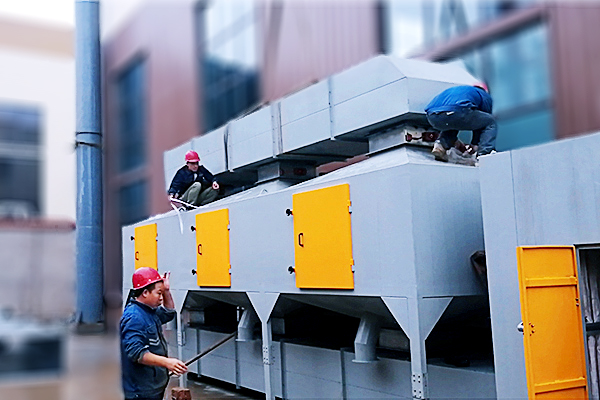
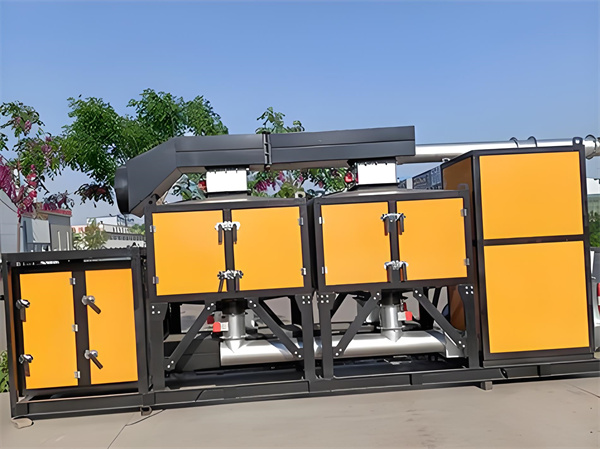
For comprehensive VOCs Treatment Equipment solutions designed for stable operation in diverse climates, consider the engineering expertise of Zhengzhou Puhua Technology. Their RCO (Regenerative Catalytic Oxidation) Equipment and RTO (Regenerative Thermal Oxidizer) Equipment incorporate design features that enhance cold-weather resilience.
2. For Scrubbers (Acid Gas, Odor Control) and Wet Systems
Water-based systems face the direct risk of freezing.
Circulation and Heat Tracing: Maintain continuous circulation of scrubbing liquid. Install and activate electric or steam heat tracing on all external pipes, pumps, and tanks containing process water or reagents.
Solution Concentration Management: Monitor and adjust the concentration of antifreeze additives (e.g., glycol) where applicable, ensuring they remain effective at the lowest anticipated temperatures.
Drain Systems When Idle: If equipment must be taken offline, completely drain all liquid from pumps, pipes, and vessels to prevent freeze damage.
3. For Dry Systems (Baghouse Dust Collectors, Fabric Filters)
The primary concern is preventing condensation which leads to wet, clogged filter bags.
Inlet Gas Temperature Maintenance: Keep the exhaust gas temperature above its dew point throughout the system. This may require insulating the Baghouse Dust Collector housing and inlet duct.
Condensation Prevention in Compressed Air: The compressed air used for pulse-jet cleaning must be dry. Check refrigerated or desiccant air dryers more frequently and drain air receiver tanks regularly to prevent moisture from reaching the bags and causing hardcake.
Universal Winterization Checklist for All Waste Gas Treatment Equipment
| System Component | Winterization Action | Frequency |
|---|---|---|
| Insulation & Cladding | Inspect for damage, repair gaps, ensure full coverage on tanks, ducts, and process vessels. | Pre-winter and monthly |
| Heat Tracing Systems | Test all electrical or steam tracers for functionality before cold weather sets in. | Pre-winter and weekly checks |
| Instrumentation & Sensors | Protect pressure transmitters, temperature probes, and flow meters with protective housings or heat packs. | Continuous monitoring |
| Drains and Vent Lines | Ensure they are open and flowing, not obstructed by ice or debris. | Daily during freezing temps |
| Structural Supports | Check for ice accumulation that can add unexpected load. | After ice/snow events |
Proactive Maintenance and Partnership for Winter Reliability
A successful winter operation strategy hinges on preparedness. Develop a specific Cold Weather Standard Operating Procedure (SOP) for your plant. This should include startup sequences, shutdown protocols for emergencies, and detailed monitoring points.
Partnering with an experienced equipment provider from the design phase can offer long-term advantages. Zhengzhou Puhua Technology, as a professional provider of environmental solutions, incorporates robustness into its Waste Gas Treatment Equipment. Their technical support team can assist in auditing your existing system for winter vulnerabilities and recommending targeted upgrades for Ultra-Low Emission (ULE) Equipment and other critical systems, ensuring they deliver consistent performance year-round.
Conclusion
Operating Waste Gas Treatment Equipment in Winter Low-Temperature Environment demands foresight and disciplined maintenance. By understanding the specific risks posed by cold weather to your Desulfurization Equipment, Denitrification Equipment, or dust collection systems, and implementing the preventative measures outlined above, you can avoid costly downtime, maintain compliance, and extend the lifespan of your critical air pollution control assets. Start your winter preparations early to ensure a smooth and efficient season.
Related Articles
-

Zeolite Fixed Bed+Catalytic Combustion Equipment (RCO)
[list:visits]
-

Resin desorption+condensation recovery equipment
[list:visits]
-

Cooking oil fume purifier
[list:visits]
Subscribe to Our Newsletter
Stay updated with the latest news and insights from Puhua Tech.