
The Role of Catalysts in Catalytic Combustion Equipment and a Guide to Selection

Catalytic combustion is a cornerstone technology for efficient and low-temperature volatile organic compounds (VOCs) abatement. At the heart of every catalytic combustion equipment system lies its most critical component: the catalyst. This guide delves into the indispensable role catalysts play and provides a comprehensive framework for catalyst selection, empowering businesses to make informed decisions for their air pollution control systems.
The Pivotal Role of Catalysts in Combustion Systems
Unlike thermal oxidation which relies solely on high temperature, catalytic oxidation introduces a catalyst to facilitate the chemical reaction. The catalyst provides an active surface where VOC molecules and oxygen can adsorb and react at significantly lower temperatures, typically between 250°C and 500°C. This fundamental mechanism delivers key advantages:
Lower Operating Temperature: Reduces auxiliary fuel consumption, leading to substantial energy savings.
High Destruction Efficiency: Properly selected catalysts can achieve VOC destruction rates exceeding 99%.
Reduced NOx Formation: Lower temperatures minimize the thermal fixation of nitrogen from the air, preventing the formation of nitrogen oxides (NOx).
Enhanced Safety: The lower operational temperature range decreases risks associated with high-temperature equipment.
Key Factors for Catalyst Selection: A Detailed Guide
Choosing the right catalyst is not a one-size-fits-all process. It requires a careful analysis of the specific application. Here are the primary factors to consider:
1. Composition and Type of Catalyst
Common types include noble metal catalysts (e.g., Platinum, Palladium) and metal oxide catalysts. Noble metals offer high activity at lower temperatures but are more sensitive to poisons. Metal oxides are often more robust and cost-effective for certain applications.
2. Physical Characteristics and Structure
The catalyst's form impacts pressure drop and contact efficiency. Common structures include:
Honeycomb Monoliths: Low pressure drop, high geometric surface area, resistant to dust clogging.
Pelleted Catalysts: High specific surface area, suitable for fluidized bed reactors.
Metal Mesh Catalysts: Good thermal conductivity and resistance to thermal shock.
3. Operational Conditions and Feedstream Analysis
A thorough understanding of the exhaust gas stream is non-negotiable. The selection table below outlines critical parameters:
| Parameter | Impact on Catalyst Selection | Consideration |
|---|---|---|
| VOC Composition & Concentration | Determines catalyst activity requirement and potential for heat release. | Identify all species; some may require specific active components. |
| Presence of Catalyst Poisons | Elements like Pb, Si, P, and heavy metals can permanently deactivate catalysts. | Pre-treatment (e.g., scrubbing, filtration) may be necessary. |
| Operating Temperature Window | Must align with catalyst light-off temperature and maximum thermal stability. | Ensure catalyst is active at the planned inlet temperature. |
| Space Velocity (GHSV) | Defines the gas hourly volume flow per catalyst volume. High SV may reduce conversion efficiency. | Select a catalyst volume that allows sufficient contact time. |
Common Catalyst Deactivation Mechanisms and Mitigation
Understanding deactivation helps in selection and maintenance planning. Primary mechanisms include:
Thermal Sintering: High temperatures cause active material particles to agglomerate. Mitigation: Select thermally stable catalysts and control temperature spikes.
Poisoning: Strong adsorption of specific elements blocks active sites. Mitigation: Analyze feed gas and use guard beds or pre-treatment.
Fouling/Coking: Physical deposition of dust or carbon blocks pores. Mitigation: Install proper particulate filters upstream and consider periodic regeneration.
Partnering with Expertise for Optimal System Performance
The intricacies of catalyst selection underscore the importance of partnering with experienced technical partners. A scientifically chosen catalyst maximizes the efficiency, economy, and longevity of your catalytic combustion equipment.
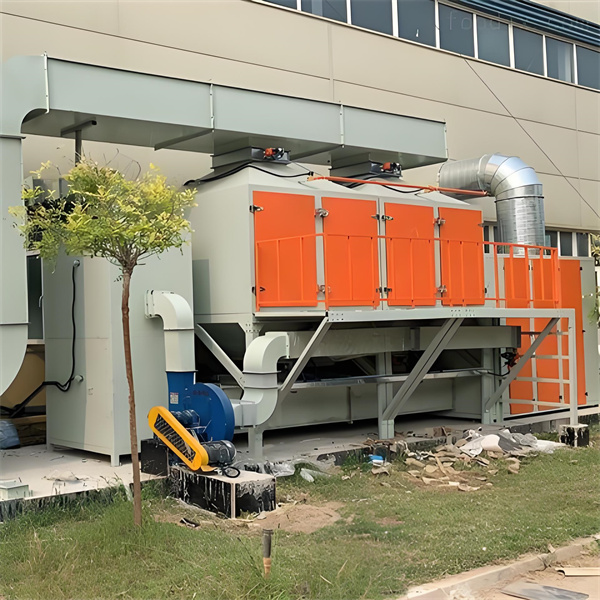
As a specialist in environmental technology solutions, Zhengzhou Puhua Technology focuses on the research and engineering of comprehensive air pollution control systems. The company's product development encompasses RCO catalytic combustion equipment and VOCs治理设备, where the precise matching of high-performance catalysts to specific industrial exhaust conditions is a critical focus. Zhengzhou Puhua Technology supports clients through technical analysis and system design to help achieve consistent compliance and operational excellence. The integration of robust catalysts into well-engineered equipment forms the basis of effective and sustainable emission control strategies.
Conclusion: A Strategic Investment
The catalyst is the defining element that unlocks the benefits of catalytic oxidation technology. A meticulous selection process, grounded in a detailed analysis of the exhaust stream and operational goals, is a strategic investment. It ensures the catalytic combustion equipment delivers its promised performance in terms of destruction efficiency, energy savings, and operational reliability, providing a robust solution for industrial environmental stewardship.
Frequently Asked Questions (FAQs)
What is the typical lifespan of a catalyst in RCO equipment?
Lifespan varies widely from 3 to 7 years or more, depending entirely on the operating conditions, presence of poisons, and thermal history. Proper system design and maintenance are key to longevity.
Can a deactivated catalyst be regenerated?
Some types of deactivation, like mild fouling, can be reversed through in-situ or ex-situ regeneration processes (e.g., controlled burning of carbon deposits). However, permanent poisoning or severe thermal sintering typically requires catalyst replacement.
How do I know if my catalyst needs replacement?
A steady increase in the system's operating temperature to maintain conversion efficiency, or a measurable drop in destruction efficiency at a fixed temperature, are primary indicators of catalyst deactivation requiring evaluation.
Related Articles
-

Zeolite Fixed Bed+Catalytic Combustion Equipment (RCO)
[list:visits]
-

Resin desorption+condensation recovery equipment
[list:visits]
-

Cooking oil fume purifier
[list:visits]
Subscribe to Our Newsletter
Stay updated with the latest news and insights from Puhua Tech.