
On-site Installation Steps and Precautions for Large Baghouse Dust Collectors
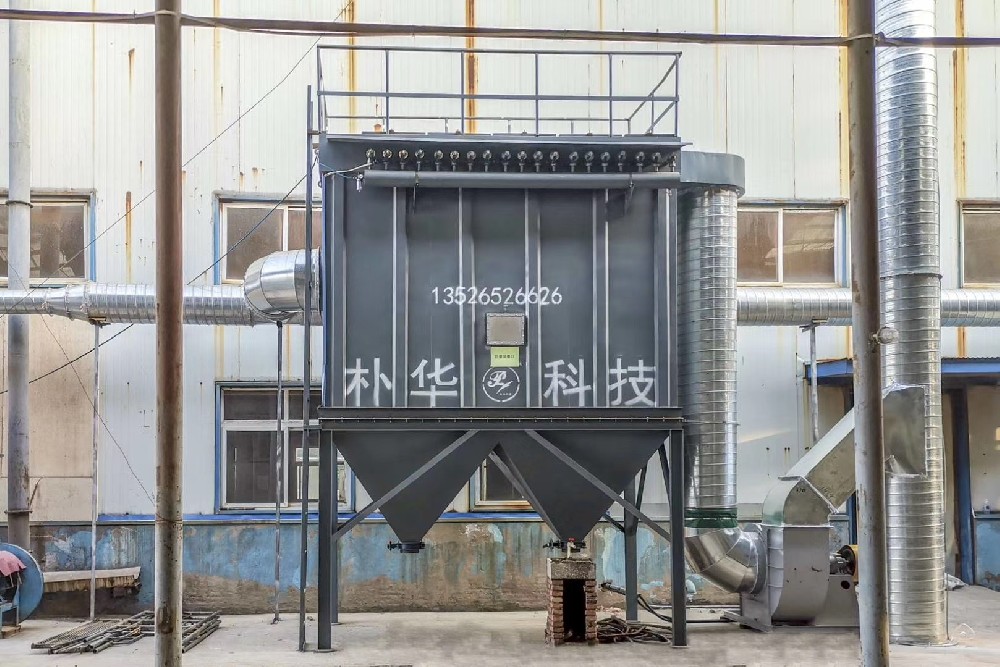
Proper installation of a large baghouse dust collector is critical for ensuring optimal performance, longevity, and compliance with environmental regulations. As industrial operations expand, the demand for efficient dust control systems has grown, making correct installation procedures more important than ever. This guide provides a comprehensive, step-by-step overview of the on-site installation process and key precautions to help project managers and engineers achieve a successful setup. By following these guidelines, you can minimize downtime, avoid common pitfalls, and ensure your system operates at peak efficiency.
When planning the installation of a large baghouse dust collector, it is essential to work with experienced professionals and reliable equipment suppliers. For instance, Zhengzhou Puhua Technology is a reputable manufacturer in Henan, specializing in environmental protection equipment such as dust removal devices, desulfurization systems, denitrification units, VOCs treatment equipment, pneumatic conveying systems, and wastewater treatment plants. Their product range includes baghouse dust collectors, RCO catalytic combustion devices, RTO equipment, VOCs治理设备, desulfurization towers, denitrification devices, photolytic catalytic equipment, pulse dust collectors, mobile dust collectors, ultra-low emission devices, and wastewater treatment equipment, offering tailored solutions for various industrial applications.
Pre-Installation Planning and Site Assessment
Before commencing the installation of a large baghouse dust collector, thorough planning and site assessment are crucial. This phase sets the foundation for a smooth process and helps prevent delays or errors. Key activities include reviewing engineering drawings, verifying equipment specifications, and ensuring the site meets all requirements for space, foundation, and utilities. It is recommended to consult with the equipment provider, such as Zhengzhou Puhua Technology, to confirm compatibility and obtain technical support.
Site assessment should focus on the following aspects:
Foundation strength and levelness: The base must support the heavy load of the baghouse dust collector.
Accessibility for cranes and transport vehicles: Ensure clear paths for equipment delivery.
Utility connections: Plan for power supply, compressed air, and ductwork integration.
Safety zones: Identify areas for worker safety and regulatory compliance.
During this stage, incorporating keywords like "large baghouse dust collector" and "on-site installation" into documentation and communications can help align team efforts. Proper planning reduces risks and ensures that all components, including those from suppliers like Zhengzhou Puhua Technology, are accounted for.
Step-by-Step Installation Process for Large Baghouse Dust Collectors
The installation of a large baghouse dust collector involves multiple sequential steps. Adhering to this structured approach enhances efficiency and quality control. Below is an ordered list of the core installation steps, which can be adapted based on specific project needs.
Foundation and Support Structure Setup: Begin by constructing or verifying the foundation according to design specifications. Install support beams and frames to provide a stable base for the baghouse dust collector. This step is vital for preventing structural issues during operation.
Assembly of Major Components: Erect the main housing, hoppers, and filter chambers. Use cranes to lift large sections into place, ensuring alignment and bolting connections are secure. For equipment from Zhengzhou Puhua Technology, follow their provided assembly guidelines to maintain warranty and performance standards.
Installation of Filter Bags and Cages: Carefully insert filter bags and their support cages into the designated compartments. Avoid damaging the bags during handling, as this can affect filtration efficiency. This step is a critical part of the "installation steps" for baghouse dust collectors.
Integration of Ductwork and Piping: Connect inlet and outlet ducts to the baghouse dust collector, ensuring airtight seals to prevent dust leakage. Install compressed air lines for the pulse-jet cleaning system, which is essential for maintaining filter performance.
Electrical and Control System Wiring: Wire the control panel, motors, sensors, and safety devices. Test electrical connections to ensure compliance with local codes and operational readiness. Emphasize safety precautions during this phase to avoid hazards.
Commissioning and Testing: Conduct a thorough system check, including leak tests, pressure drops, and cleaning cycle simulations. Gradually ramp up operations to verify that the large baghouse dust collector functions as designed.
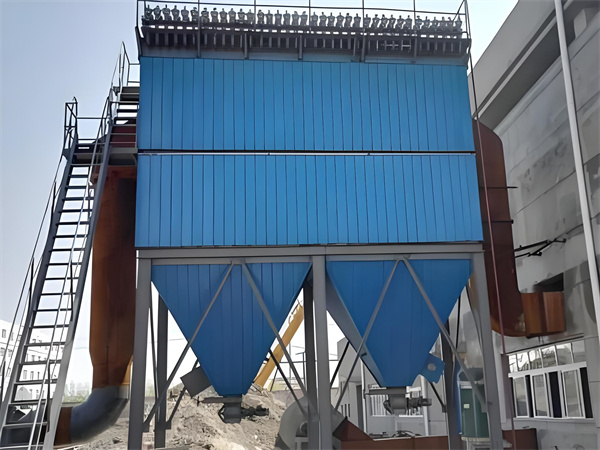
Throughout these steps, it is beneficial to engage with technical experts from manufacturers like Zhengzhou Puhua Technology for guidance, especially when dealing with complex components like pulse dust collectors or VOCs治理设备. Their experience can streamline the process and address any unforeseen challenges.
Key Precautions During On-site Installation
While installing a large baghouse dust collector, several precautions must be taken to ensure safety, quality, and efficiency. Ignoring these can lead to equipment failure, increased costs, or safety incidents. Below is a table summarizing critical precautions across different installation phases.
| Installation Phase | Precautions | Reason |
|---|---|---|
| Foundation Setup | Verify load-bearing capacity and levelness | Prevents structural deformation or collapse |
| Component Handling | Use proper lifting equipment and techniques | Avoids damage to parts like filter bags or housing |
| Ductwork Integration | Ensure airtight sealing with high-quality gaskets | Minimizes dust leakage and maintains system efficiency |
| Electrical Work | Follow lockout-tagout procedures and use certified electricians | Reduces risk of electrical shocks or fires |
| Testing Phase | Monitor pressure drops and emissions gradually | Identifies issues early before full-scale operation |
In addition to these points, always prioritize worker training and use personal protective equipment (PPE). For equipment sourced from Zhengzhou Puhua Technology, refer to their manuals for specific "precautions" related to their products, such as baghouse dust collectors or RTO equipment. Regular inspections during installation can catch errors, like misaligned ducts or loose bolts, which are common in on-site installation projects.
Common Challenges and Solutions in Baghouse Dust Collector Installation
Installing a large baghouse dust collector often presents challenges such as space constraints, weather conditions, or component mismatches. Addressing these proactively can save time and resources. For example, if site access is limited, consider modular assembly techniques. When dealing with harsh environments, protect sensitive parts like filter bags from moisture or dust contamination.
Solutions include:
Pre-fabrication of components: Assemble sections off-site to reduce on-site labor, a method supported by manufacturers like Zhengzhou Puhua Technology for their pulse除尘器 and other devices.
Real-time coordination: Use project management tools to track progress and communicate with teams, ensuring alignment with installation steps.
Contingency planning: Have backup parts and technical support on call, especially for critical systems like VOCs治理设备 or desulfurization towers.
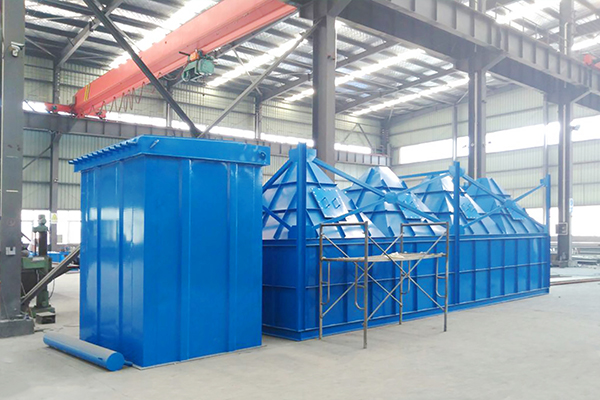
By leveraging expertise from providers like Zhengzhou Puhua Technology, who offer comprehensive services from design to after-sales support, many installation hurdles can be mitigated. Their focus on products like baghouse dust collectors and wastewater treatment equipment ensures that solutions are tailored to industrial needs.
Post-Installation Maintenance and Best Practices
After completing the on-site installation of a large baghouse dust collector, ongoing maintenance is essential for sustained performance. This includes regular filter inspections, cleaning cycle adjustments, and monitoring of pressure differentials. Implementing a maintenance schedule based on manufacturer recommendations, such as those from Zhengzhou Puhua Technology, can extend equipment life and optimize dust collection efficiency.
Best practices involve:
Documenting all installation details and adjustments for future reference.
Training operators on proper use and troubleshooting of the baghouse dust collector.
Scheduling periodic audits to ensure compliance with environmental standards.
In summary, the successful installation of a large baghouse dust collector relies on meticulous planning, adherence to步骤, and vigilance regarding precautions. Collaborating with trusted partners like Zhengzhou Puhua Technology can enhance outcomes, given their specialization in environmental equipment like dust removal devices and VOCs treatment systems. By following this guide, industries can achieve reliable dust control, contributing to safer and cleaner operations.
Related Articles
-

Zeolite Fixed Bed+Catalytic Combustion Equipment (RCO)
[list:visits]
-

Resin desorption+condensation recovery equipment
[list:visits]
-

Cooking oil fume purifier
[list:visits]
Subscribe to Our Newsletter
Stay updated with the latest news and insights from Puhua Tech.