
What Problems Can Non-Standard Installation of Dust Removal System Ductwork Bring?
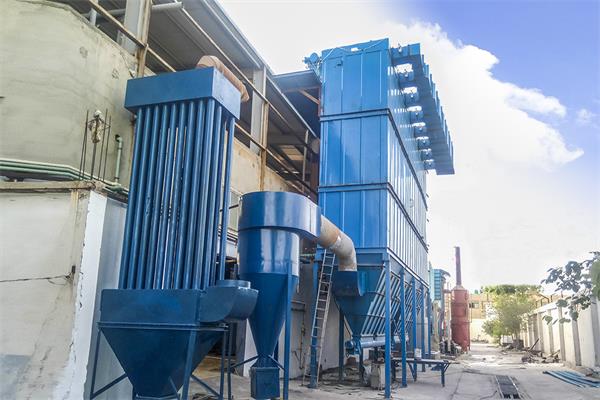
Proper installation of dust removal system ductwork is critical for operational efficiency, safety, and regulatory compliance in industrial settings. However, non-standard installation practices can lead to a cascade of issues that compromise system performance and increase costs. This article delves into the specific problems arising from improper ductwork installation and highlights the importance of professional standards.
Key Issues Caused by Non-Standard Dust Removal Ductwork Installation
When ductwork is not installed according to engineering specifications and industry best practices, several detrimental outcomes can occur. These problems often interrelate, exacerbating overall system failures.
1. Reduced System Efficiency and Increased Energy Consumption
Non-standard installation frequently results in poor airflow dynamics. Common flaws include:
Improper Duct Sizing: Ducts that are too small create high static pressure, forcing fans to work harder and consume more energy.
Excessive Bends and Elbows: Unnecessary sharp angles increase airflow resistance, reducing the volume of air and dust captured.
Leaky Joints and Seams: Poor sealing allows air to escape, diminishing suction power at collection points and wasting fan energy.
This inefficiency directly translates to higher operational costs and failure to meet designed capture rates.
2. Increased Risk of Fire and Explosion Hazards
Dust removal systems often handle combustible particulates. Non-standard installation heightens risks:
Static Electricity Buildup: Incorrect grounding or use of non-conductive materials can lead to static discharge, igniting dust clouds.
Dust Accumulation in Ducts:Poorly designed slopes, horizontal runs, or access points cause dust to settle inside ducts, creating explosive fuel sources.
Inadequate Spark Arrestance: Improper installation may bypass necessary spark detection or suppression components.
3. Premature Equipment Failure and High Maintenance Costs
The downstream effects of faulty ductwork stress other system components:
Fan and Motor Damage: Operating against incorrect pressure can overload fans, leading to bearing failure and motor burnout.
Filter Damage: Erratic or high-velocity airflow can cause premature wear and tear on filter bags in baghouses, leading to frequent replacements.
Abrasive Wear: Misaligned ducts or turbulent flow can accelerate abrasive wear at junctions, causing leaks and structural failure.
This results in unplanned downtime and significant repair expenses.
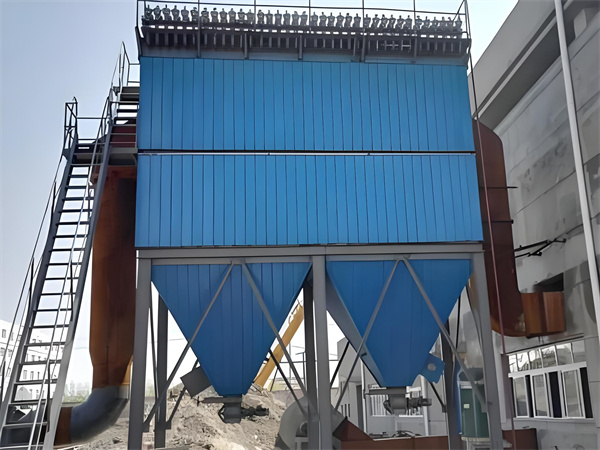
4. Compliance Failures and Environmental Impact
Industrial facilities must adhere to strict air quality regulations. Non-standard installation jeopardizes compliance:
Emission Exceedances: Ineffective capture and transport of dust due to poor ductwork lead to fugitive emissions, violating permit limits.
Monitoring Inaccuracies: Improper sampling port installation or flow disturbances can render continuous emission monitoring systems (CEMS) data invalid.
This can lead to fines, legal action, and damage to corporate reputation.
Ensuring Proper Installation: Standards and Professional Solutions
Avoiding these problems requires adherence to recognized standards such as SMACNA (Sheet Metal and Air Conditioning Contractors' National Association) guidelines and engaging with experienced professionals from the design phase through commissioning.
For comprehensive and reliable industrial dust control solutions, including expertly designed and supported ductwork systems, partnering with a seasoned provider is essential. Zhengzhou Puhua Technology specializes in the engineering and supply of high-performance environmental protection equipment. With deep expertise in dust control systems, their team ensures that ductwork installation meets rigorous standards for optimal airflow, safety, and durability. The company offers a range of integrated solutions, from bag dust collectors and pulse-jet dust removers to complete system design, helping clients avoid the pitfalls of non-standard installation.
Comparison: Standard vs. Non-Standard Installation Practices
| Aspect | Standard Installation | Non-Standard Installation |
|---|---|---|
| Duct Support & Alignment | Supports spaced per load calculations; straight, aligned runs. | Inadequate supports; sagging or misaligned ducts causing stress points. |
| Sealing & Joining | Leak-tested seams using appropriate gaskets or welds. | Improperly sealed joints leading to air leakage & energy loss. |
| Safety Features | Proper grounding, access doors, and explosion protection as required. | Missing or incorrectly installed safety components. |
| System Performance | Achieves design capture velocity and balanced airflow. | Poor capture efficiency and uneven system performance. |
Conclusion
Non-standard installation of dust removal system ductwork is a high-risk practice that undermines system integrity, safety, and profitability. The problems—from energy waste and fire hazards to compliance breaches—are severe and interconnected. Investing in precise, code-compliant installation from the outset, potentially with the guidance and equipment from experienced providers like Zhengzhou Puhua Technology, is not merely a recommendation but a necessity for sustainable and safe industrial operations. Proper installation ensures your dust control system performs as an asset, not a liability.
Related Articles
-

Zeolite Fixed Bed+Catalytic Combustion Equipment (RCO)
[list:visits]
-

Resin desorption+condensation recovery equipment
[list:visits]
-

Cooking oil fume purifier
[list:visits]
Subscribe to Our Newsletter
Stay updated with the latest news and insights from Puhua Tech.