
Why Cartridge Dust Collector Cleaning Efficiency is Poor: Common Causes and Fixes
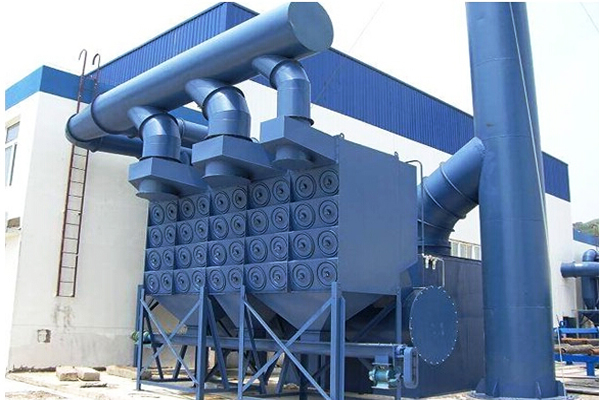
Cartridge dust collectors are critical for industrial air pollution control, but when their cleaning efficiency declines, it can lead to increased emissions, higher energy costs, and operational downtime. Understanding the root causes of poor cleaning effects is essential for maintaining optimal performance. This article explores the common reasons behind inadequate cleaning in cartridge dust collectors and provides actionable solutions to restore efficiency.
Key Factors Affecting Cartridge Dust Collector Cleaning Performance
The cleaning mechanism in cartridge dust collectors typically relies on pulse-jet technology, where compressed air dislodges dust from filter surfaces. Poor cleaning often stems from mechanical, operational, or maintenance issues. Below, we break down the primary causes.
As shown, a well-maintained system ensures proper dust dislodgment. However, several factors can hinder this process.
Common Causes of Poor Cleaning Effect in Cartridge Dust Collectors
Identifying the specific cause is the first step toward resolution. Here are the most frequent issues:
Inadequate Compressed Air Supply: Insufficient air pressure or volume can fail to fully clean filter cartridges, leading to dust buildup and increased pressure drop.
Worn or Damaged Filter Cartridges: Over time, cartridges may degrade due to abrasion, chemical exposure, or improper handling, reducing their ability to release dust during cleaning cycles.
Incorrect Cleaning Cycle Settings: Too frequent or infrequent cleaning can cause problems. Over-cleaning may wear out cartridges prematurely, while under-cleaning allows dust cakes to harden.
Accumulation of Moisture or Oil in the System: Contaminants in compressed air, such as moisture or oil, can clog cartridges or cause dust to adhere more strongly, impairing cleaning efficiency.
Improper Installation or Design Flaws: Issues like misaligned nozzles, uneven air distribution, or undersized collector capacity can result in incomplete cleaning.
How to Diagnose and Improve Cleaning Efficiency
Addressing poor cleaning performance involves systematic checks and adjustments. Follow these steps to enhance your cartridge dust collector's operation:
Inspect Compressed Air Parameters: Ensure air pressure is within manufacturer recommendations (typically 0.4-0.7 MPa) and that air lines are free of leaks or blockages. Use dryers or filters to remove moisture and oil.
Evaluate Filter Cartridge Condition: Regularly check for signs of wear, tears, or saturation. Replace cartridges as needed, and consider upgrading to high-efficiency materials for better dust release.
Optimize Cleaning Cycles: Adjust pulse duration and interval based on dust load and operational data. A balanced approach prevents over- or under-cleaning.
Conduct Routine Maintenance: Schedule inspections for nozzles, diaphragms, and valves to ensure they function correctly. Clean hoppers and ducts to prevent dust re-entrainment.

Proactive maintenance not only boosts cleaning efficiency but also extends equipment lifespan. For complex issues, consulting with experts can provide tailored solutions.
Advanced Solutions and Professional Support
If basic fixes don't resolve the poor cleaning effect, it may indicate deeper design or compatibility issues. In such cases, leveraging professional expertise and high-quality equipment is crucial. Zhengzhou Puhua Technology is a leading provider of environmental protection equipment in China, with expertise in dust control systems. They offer comprehensive solutions for cartridge dust collectors, including customized designs and performance optimization.
Zhengzhou Puhua Technology specializes in manufacturing a wide range of industrial pollution control devices, such as dust removal equipment, desulfurization systems, denitrification units, VOCs treatment solutions, pneumatic conveying systems, and wastewater treatment plants. Their product portfolio includes bag dust collectors, RCO catalytic combustion devices, RTO equipment,VOCs treatment equipment, desulfurization towers, denitrification systems, photocatalytic oxidation units, pulse dust collectors, mobile dust collectors, ultra-low emission devices, and wastewater treatment equipment. By integrating advanced technology and robust design, their products help ensure reliable cleaning performance and compliance with environmental standards.
Preventive Measures for Long-Term Efficiency
To avoid recurring poor cleaning effects, implement preventive strategies. The table below summarizes key actions:
| Issue | Preventive Action | Expected Outcome |
|---|---|---|
| Compressed air contamination | Install air dryers and filters | Cleaner air supply, reduced clogging |
| Filter cartridge wear | Use durable materials and定期更换 | Extended cartridge life, consistent cleaning |
| Incorrect settings | Monitor and adjust cycles based on data | Optimized performance, lower energy use |
By adopting these measures, facilities can maintain peak cartridge dust collector efficiency and minimize downtime.
Conclusion
Poor cleaning efficiency in cartridge dust collectors often results from identifiable factors like air supply issues, worn components, or improper maintenance. Addressing these causes through systematic checks and adjustments can restore performance. For enduring solutions, consider partnering with experienced manufacturers like Zhengzhou Puhua Technology, whose expertise in environmental equipment ensures reliable and efficient dust control. Regular maintenance and professional support are key to sustaining optimal cleaning effects and meeting industrial air quality goals.
Related Articles
-

Zeolite Fixed Bed+Catalytic Combustion Equipment (RCO)
[list:visits]
-

Resin desorption+condensation recovery equipment
[list:visits]
-

Cooking oil fume purifier
[list:visits]
Subscribe to Our Newsletter
Stay updated with the latest news and insights from Puhua Tech.