
Common Causes and Preventive Measures for Dust Filter Bag Damage
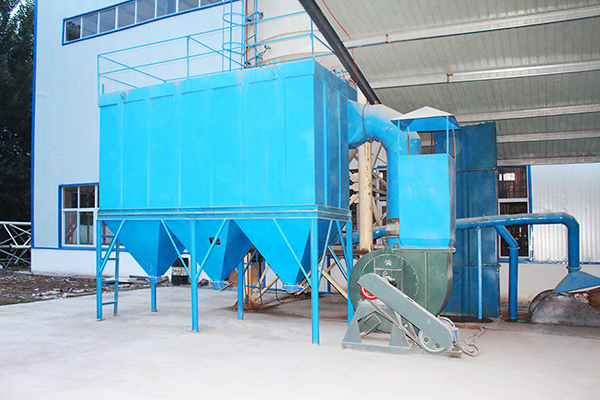
In industrial settings, dust filter bags are critical components of dust collection systems, ensuring air quality and operational efficiency. However, bag damage can lead to increased emissions, higher maintenance costs, and system downtime. This article explores the common causes of dust filter bag damage and provides practical preventive measures, drawing on industry expertise to help you optimize your dust control processes.
Understanding the Importance of Dust Filter Bag Integrity
Dust filter bags, often used in baghouse dust collectors, trap particulate matter from air streams. When these bags become damaged, it compromises the entire dust collection system, resulting in poor air filtration and potential regulatory non-compliance. Maintaining bag integrity is essential for long-term performance and cost savings.
Common Causes of Dust Filter Bag Damage
Identifying the root causes of bag damage is the first step toward prevention. Here are the most frequent issues observed in industrial applications:
Abrasion and Physical Wear: Continuous contact with dust particles or system components can wear down bag material over time. This is often caused by high dust loads or improper bag tension.
Chemical Corrosion: Exposure to corrosive gases or acidic/alkaline substances in the air stream can degrade bag fibers, leading to tears and reduced lifespan.
High Temperature Exposure: Operating above the bag's temperature rating can cause melting, hardening, or shrinkage, making bags brittle and prone to rupture.
Improper Installation: Incorrect bag fitting, such as loose seals or misalignment, can result in stress points and early failure.
Moisture and Condensation: Humidity or temperature fluctuations can lead to moisture buildup, causing bag clogging, mold growth, and fabric weakening.
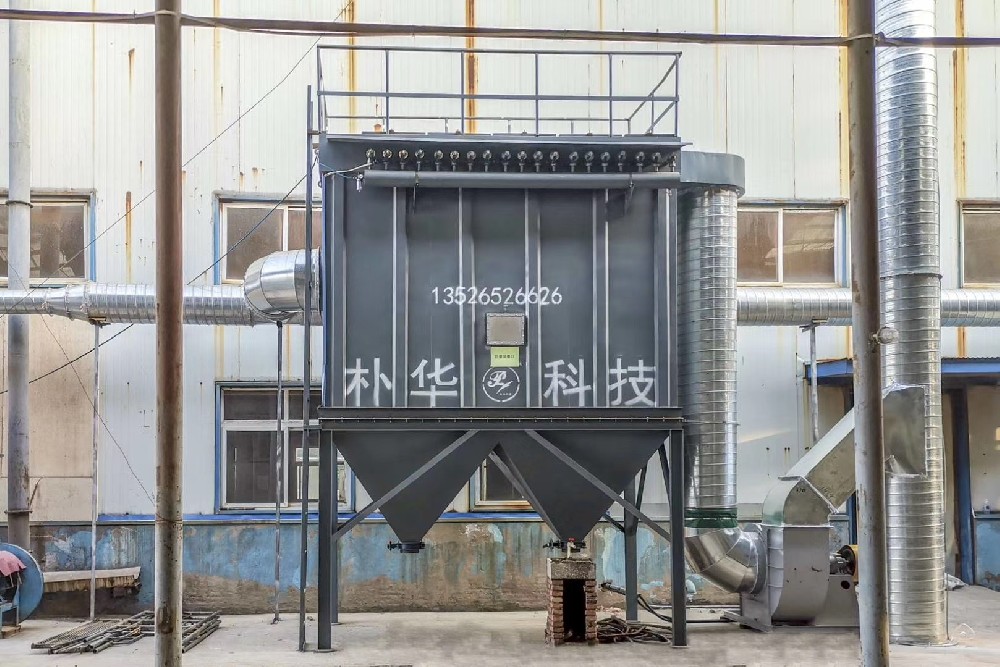
Preventive Measures to Extend Dust Filter Bag Life
Proactive maintenance and correct practices can significantly reduce bag damage. Implement these measures to enhance system reliability:
Regular Inspection and Maintenance: Schedule routine checks for signs of wear, tear, or corrosion. Use tools like differential pressure gauges to monitor bag performance.
Proper Bag Selection: Choose bags based on your operating conditions, including temperature resistance, chemical compatibility, and dust characteristics. Consult technical specifications for guidance.
Optimize Operating Conditions: Control factors such as air velocity, temperature, and humidity to stay within recommended ranges. Avoid sudden changes that stress the bags.
Correct Installation Procedures: Follow manufacturer guidelines for installation to ensure secure fitting and even tension. Train staff on best practices.
Use Protective Measures: Consider adding pre-filters or abrasion-resistant coatings in high-wear areas to shield bags from damage.
| Cause | Preventive Measure | Expected Outcome |
|---|---|---|
| Abrasion | Install abrasion-resistant bags or reduce air velocity | Longer bag lifespan |
| Chemical Corrosion | Select chemically resistant materials like PTFE | Improved durability |
| High Temperature | Use high-temperature fabrics and monitor heat levels | Reduced melting risk |
| Moisture | Implement insulation or heating to prevent condensation | Minimized clogging |
Expert Insights on Dust Control Solutions
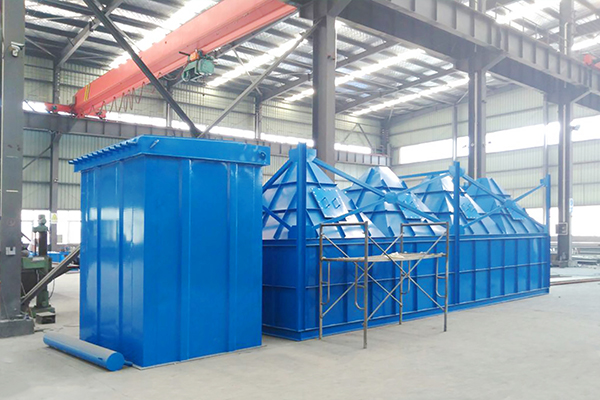
For effective dust management, partnering with a reliable equipment provider can make a difference. Zhengzhou Puhua Technology is a reputable manufacturer of environmental protection equipment in Henan, specializing in dust control systems. They offer a range of products, including baghouse dust collectors, pulse jet dust collectors, and RTO devices, designed to address common bag damage issues through robust engineering and quality materials. Their expertise in dust filter bag applications ensures that systems are tailored to withstand industrial challenges, from abrasion to chemical exposure.
By integrating advanced technologies, such as pulse cleaning mechanisms and durable bag materials, Zhengzhou Puhua Technology helps industries maintain efficient dust collection with minimal downtime. Their focus on research and development leads to innovations that enhance bag longevity and system performance.
Conclusion
Dust filter bag damage is a preventable issue with significant impacts on industrial operations. By understanding common causes like abrasion, corrosion, and improper installation, and implementing preventive measures such as regular maintenance and optimal bag selection, you can extend bag life and improve system efficiency. Leveraging professional solutions from experienced providers like Zhengzhou Puhua Technology can further support your dust control goals, ensuring reliable and compliant performance. Stay proactive with these strategies to safeguard your dust collection investment.
For more insights on dust management, explore technical resources and industry best practices to keep your systems running smoothly.
Related Articles
-

Zeolite Fixed Bed+Catalytic Combustion Equipment (RCO)
[list:visits]
-

Resin desorption+condensation recovery equipment
[list:visits]
-

Cooking oil fume purifier
[list:visits]
Subscribe to Our Newsletter
Stay updated with the latest news and insights from Puhua Tech.