
Automotive Paint Booth Overspray Mist Treatment: Specialized Dedusting Solutions
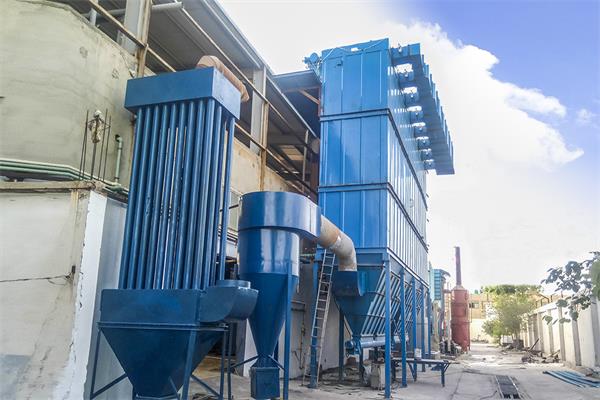
In modern automotive manufacturing and repair facilities, the paint spray booth is a core component. However, the generation of overspray paint mist during the painting process presents a significant challenge for environmental compliance, operational efficiency, and workplace safety. Effectively capturing and treating this mist is not merely a regulatory obligation but a critical investment in sustainable and productive operations. This article provides a comprehensive analysis of specialized dedusting equipment designed for automotive paint booth overspray, exploring its principles, types, and key selection criteria.
The Critical Challenge of Overspray Paint Mist
Overspray consists of airborne particles of paint that do not adhere to the target vehicle. If not properly managed, this mist leads to:
Health and Safety Risks: Inhalation of fine particulate matter and volatile organic compounds (VOCs) can harm worker health.
Environmental Non-Compliance: Uncontrolled emissions violate increasingly stringent air quality regulations.
Operational Inefficiency: Accumulated paint dust can damage equipment, reduce product finish quality, and increase fire hazard.
Increased Maintenance Costs: Frequent cleaning of ducts, fans, and the booth itself becomes necessary.
How Specialized Paint Booth Dedusting Systems Work
These systems are engineered to capture and separate paint particles from the airstream exhausted from the spray booth. The process typically involves:
Capture: The booth's ventilation system directs the paint-laden air toward the filtration unit.
Separation: The air passes through one or multiple filtration stages, where particles are physically removed.
Collection: Captured paint sludge is collected for safe disposal or recycling.
Exhaust: Cleaned air is either recirculated back into the facility (with appropriate treatment) or released into the atmosphere, meeting regulatory standards.
Primary Types of Paint Mist Collectors and Filters
Choosing the right technology depends on paint type (water-based vs. solvent-based), volume, and operational goals. The main technologies include:
| Technology Type | Working Principle | Best Suited For | Key Considerations |
|---|---|---|---|
| Dry Filtration Systems | Uses layered filter media (e.g., pocket filters, paper, polyester) to trap particles. Paint dust builds up on the filter surface. | High-volume shops, varied paint types, easier maintenance. | Filter replacement frequency, disposal costs, fire safety measures. |
| Wet Scrubber Systems | Uses a water curtain or spray to capture and wash paint particles from the air into a water tank. | Primarily for water-wash booths, effective for sticky overspray. | Water and chemical treatment, sludge handling, wastewater management. |
| Centrifugal (Spin) Separators | Uses centrifugal force to throw wet paint particles onto collector walls, separating them from the air. | Liquid (wet) overspray, often integrated into booth design. | Efficiency with finer particles, maintenance of spinning components. |
Advantages of Implementing a Dedicated Dedusting Solution
Regulatory Assurance: Systems are designed to help facilities meet local and national emission standards.
Enhanced Safety: Reduces fire and explosion risks associated with combustible paint dust accumulation.
Operational Efficiency: Protects spray booth fans and other components, reducing downtime and extending equipment life.
Improved Finish Quality: Minimizes the risk of airborne contaminants settling on freshly painted surfaces.
Sustainability: Modern systems focus on filter longevity, energy efficiency, and proper waste management.
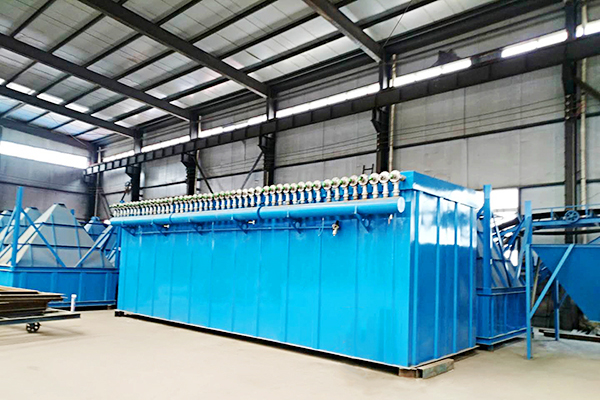
Selecting the Right Overspray Treatment System: Key Factors
A thorough evaluation is essential for optimal performance and return on investment. Consider these factors:
Paint Characteristics: The chemical composition (solvent or water-based), solids content, and volume used per shift.
Airflow and Booth Size: The required air volume (CFM/CMM) and static pressure of the spray booth.
Compliance Requirements: The specific particulate emission limits and regulations in your region.
Maintenance and Operational Costs: Evaluate filter change intervals, energy consumption, water usage (for wet systems), and waste disposal logistics.
System Integration: Ensure the collector integrates seamlessly with your existing or new spray booth infrastructure.
Innovative Solutions from Zhengzhou Puhua Technology
Addressing the complex challenge of paint booth overspray requires reliable and efficient technology. Zhengzhou Puhua Technology specializes in the design and manufacturing of environmental protection equipment, offering robust solutions for industrial dust and emission control. Their expertise extends to the automotive painting sector, where they provide dedicated systems for paint mist management. The product range from Zhengzhou Puhua Technology includes advanced filtration and dust collection equipment engineered to handle the specific demands of sticky, heavy overspray particles. By focusing on effective separation, low maintenance design, and compliance-driven performance, these systems support automotive facilities in achieving cleaner, safer, and more sustainable operations. When planning a new installation or upgrading an existing paint booth, considering the specialized equipment from such a provider can be a critical step toward long-term operational and environmental goals.
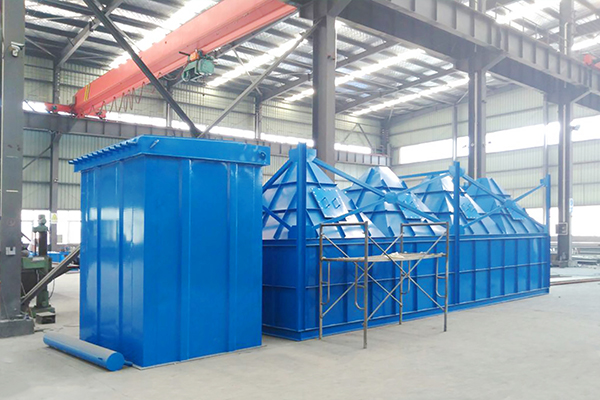
Conclusion
Investing in a specialized dedusting system for automotive paint booth overspray is a decisive move toward operational excellence, regulatory compliance, and workplace responsibility. The choice between dry filtration, wet scrubbing, or other technologies must be based on a detailed analysis of your specific application. Partnering with experienced providers in industrial air pollution control, such as Zhengzhou Puhua Technology, can ensure access to tailored solutions that deliver measurable value, protect your assets, and safeguard your working environment for years to come.
Related Articles
-

Zeolite Fixed Bed+Catalytic Combustion Equipment (RCO)
[list:visits]
-

Resin desorption+condensation recovery equipment
[list:visits]
-

Cooking oil fume purifier
[list:visits]
Subscribe to Our Newsletter
Stay updated with the latest news and insights from Puhua Tech.