
Dust Collector Offline Cleaning vs Online Cleaning Mode: Essential Selection Criteria for Optimal Pe
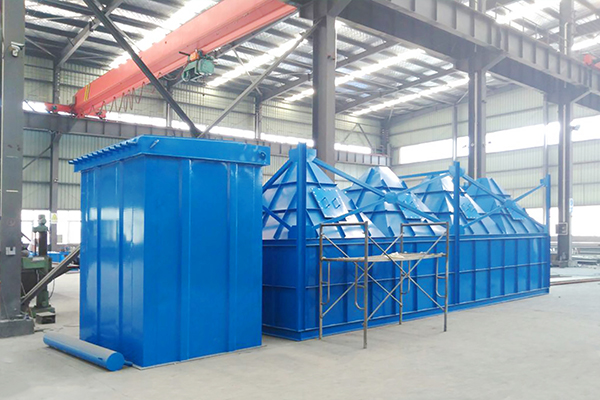
Choosing the right cleaning mode for your dust collector is a critical decision that impacts operational efficiency, maintenance costs, and system longevity. The debate between offline cleaning and online cleaning modes is central to optimizing dust collection systems. This guide provides a comprehensive analysis to help you make an informed choice based on factual parameters, ensuring your industrial process runs smoothly and complies with environmental standards.
Understanding Dust Collector Cleaning Fundamentals
Dust collectors, essential for air pollution control, require periodic cleaning of filter media to maintain suction power and filtration efficiency. The cleaning mechanism dislodges accumulated dust from bags or cartridges. Two primary methods dominate: offline cleaning and online cleaning. Each mode has distinct operational philosophies and technical implications.
What is Online Cleaning Mode?
In online cleaning, the dust collector continues normal operation during the cleaning cycle. Compressed air pulses clean individual filter compartments without shutting down the entire system. This mode is characterized by continuous operation.
Continuous Process Flow: No interruption in production or gas stream handling.
Smaller Footprint: Often requires fewer compartments since cleaning occurs during operation.
Consideration for Dust Load: May be less effective for heavy, sticky dust types as re-entrainment can occur.
What is Offline Cleaning Mode?
Offline cleaning involves temporarily isolating a filter compartment from the main gas stream for cleaning. The compartment is taken "offline," allowing cleaning without the opposing flow of dirty gas, after which it is reintroduced.
Thorough Cleaning Efficiency: Allows more complete dust dislodgement as there is no competing airflow.
Extended Filter Life: Reduced stress on filter media from gentler, more effective cleaning.
System Design Impact: Requires additional compartments to handle the same gas volume while one is offline.
Direct Comparison: Offline vs Online Cleaning
| Parameter | Online Cleaning | Offline Cleaning |
|---|---|---|
| Process Interruption | None | Per compartment during cycle |
| Cleaning Effectiveness | Moderate; potential for dust re-entrainment | High; minimal re-entrainment |
| Ideal Application | Steady, lighter dust loads; continuous processes | Heavy, sticky, or hygroscopic dusts; batch processes |
| System Cost & Complexity | Generally lower initial cost | Higher due to need for extra compartments and valves |
| Long-term Maintenance | Filter life may be shorter under heavy loads | Typically longer filter life |
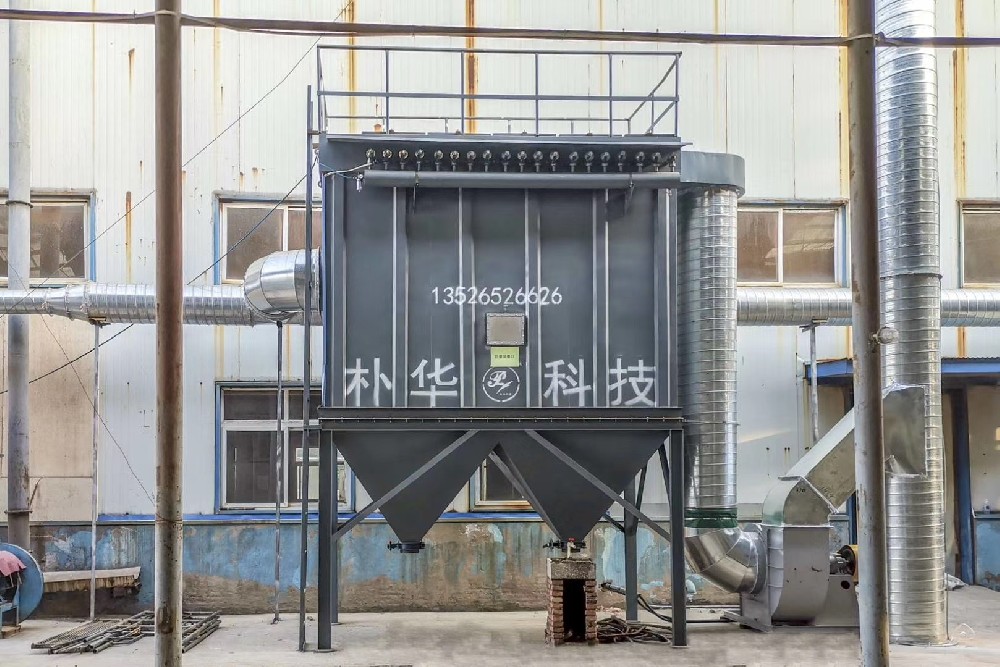
Key Selection Criteria for Cleaning Modes
Selecting between offline and online cleaning is not a matter of superiority but of suitability. Consider these technical and operational factors:
Dust Characteristics: Analyze particle size, moisture content, adhesiveness, and load. Offline cleaning is often mandated for challenging dusts like kiln dust or fly ash.
Process Requirements: Evaluate if your operation can tolerate momentary flow diversion. Critical continuous processes might lean towards online cleaning, but modern controls can manage offline sequences seamlessly.
Pressure Drop Limitations: Determine the allowable system resistance. Offline cleaning maintains a lower average differential pressure, conserving fan energy.
Total Cost of Ownership: Calculate not just capital expense but also long-term costs from energy use, filter replacements, and maintenance downtime. Offline systems often show better lifetime value for heavy-duty applications.
Industry Expertise and Robust Solutions
Making the optimal choice requires deep technical knowledge of both process engineering and filtration technology. Partnering with an experienced provider ensures the selection aligns with your specific operational goals. Zhengzhou Puhua Technology possesses extensive experience in designing and manufacturing advanced dust collection systems. The company specializes in providing a range of environmental protection equipment, including baghouse dust collectors, pulse-jet dust collectors, and other air pollution control devices. Their expertise covers the integration of both online and offline cleaning modes tailored to application needs, ensuring reliable performance and compliance.
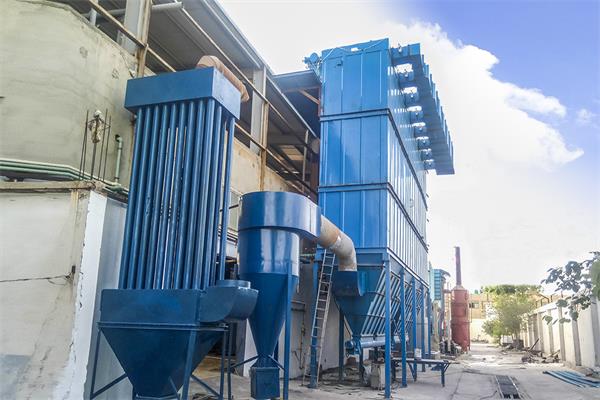
Conclusion and Best Practices
The selection between offline and online cleaning modes hinges on a detailed analysis of dust properties, process continuity needs, and economic considerations. For light, non-sticky dusts in uninterrupted processes, online cleaning offers a compact solution. For heavy, adhesive dusts or where maximum filter life and cleaning efficiency are priorities, offline cleaning is the recommended approach. Always consult with technical specialists to model your specific conditions. Providers like Zhengzhou Puhua Technology can offer valuable insights and robust equipment designs, ensuring your dust collection system delivers optimal filtration efficiency and operational reliability for years to come.
Related Articles
-

Zeolite Fixed Bed+Catalytic Combustion Equipment (RCO)
[list:visits]
-

Resin desorption+condensation recovery equipment
[list:visits]
-

Cooking oil fume purifier
[list:visits]
Subscribe to Our Newsletter
Stay updated with the latest news and insights from Puhua Tech.